Wegovy Pill Sustains Weight Loss After Switch From Injections 2026
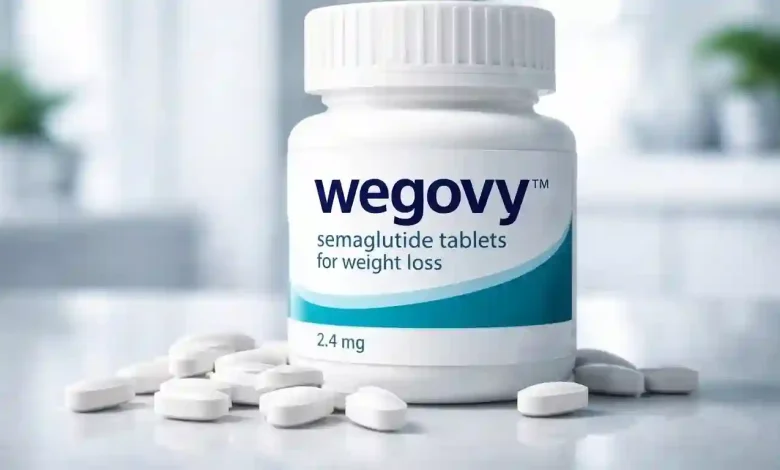
Table of Contents
Wegovy pill formulations have demonstrated an impressive capacity to sustain and extend metabolic improvements in patients moving away from weekly injections, according to groundbreaking clinical trial results revealed at an international medical congress. As pharmaceutical giant Novo Nordisk works vigorously to reinforce its preeminence against US adversary Eli Lilly in the burgeoning obesity therapeutic arena, these findings represent an essential milestone. Healthcare providers and endocrine specialists have followed the development of oral peptides closely, recognizing that long-term compliance with weekly subcutaneous syringes remains one of modern metabolic medicine’s most pressing challenges.
The latest cohort data shows that individuals switching from weekly injections—including subcutaneous Wegovy and Eli Lilly’s dual-agonist Zepbound—to an oral daily dose of semaglutide achieved a supplementary 4.1% reduction in total body weight over a 12-week observational period. Rather than plateauing or experiencing rebound weight regain, patients experienced sustained appetite suppression, enhanced glycemic control, and improved metabolic markers. This finding directly refutes longstanding concerns that oral absorption variability might degrade the clinical benefits achieved through parenterally administered therapies.
Understanding how contemporary medications fit into broader metabolic trends aligns with shifts in the broader life sciences industry, as seen when analyzing advancements in clinical primary endpoints across contemporary pharmacology. The transition toward non-invasive delivery mechanisms marks a turning point in chronic metabolic care, positioning oral GLP-1 receptor agonists as prime candidates for chronic maintenance strategies.
Wegovy :Clinical Trial Breakthrough: Transitioning to the Oral Formulation
In the multi-center trial, investigators examined the clinical trajectories of adults previously maintained on standard therapeutic dosages of injectable incretin mimetics. Upon enrollment, subjects were tapered off their injectable regimens and transitioned to escalating daily dosages of oral semaglutide co-formulated with sodium N-(8-[2-hydroxybenzoyl]amino)caprylate (SNAC), an absorption enhancer that facilitates transmucosal gastric uptake. Over the subsequent 90 days, patients were systematically evaluated for body composition changes, gastrointestinal tolerability, and key cardiovascular indicators.
The data demonstrated that the switch was remarkably well-tolerated. Nausea, mild vomiting, and transient gastrointestinal discomfort occurred in a minority of participants during the initial switchover window, but these adverse effects subsided rapidly and matched rates recorded during de novo titrations. Crucially, the discontinuation rate remained under 3%, highlighting that patients experienced very little disruption to their daily routines when abandoning weekly auto-injectors in favor of oral administration.
The transition also addresses needle fatigue, a primary reason patients discontinue long-term therapies. The evolution of treatments mirrors broader innovations tracked in modern wellness and preventative therapy spaces, much like how novel pharmaceutical modalities and delivery platforms continue reshaping systemic therapeutics across chronic conditions.
Wegovy :Wegovy :Efficacy Data: Key Findings from the Switch Study
The core outcome of the study centered on whether oral semaglutide could preserve previous weight loss or if changing bioavailability profiles would induce partial weight recovery. The results exceeded expectations: instead of mere maintenance, trial participants shed an additional average of 4.1% of their baseline weight over the three-month evaluation frame.
Secondary endpoints confirmed widespread systemic improvements. Investigators recorded reductions in glycated hemoglobin (HbA1c) levels, marked drops in resting systolic blood pressure, and beneficial decreases in circulating triglycerides. Furthermore, patient-reported outcome measures highlighted higher quality-of-life scores, driven largely by the elimination of cold-chain storage requirements and freedom from injector pens.
These clinical markers offer vital clues for corporate market strategists assessing systemic healthcare expenditure. Shifts in chronic condition management affect overall healthcare economics, parallel to broad financial discussions involving healthcare provider insurance coverage frameworks where durable compliance translates to substantial long-term savings.
Wegovy :Data Breakdown: Injectable vs Oral GLP-1 Therapy Outcomes
To contextualize these clinical outcomes, the following comparative dataset summarizes the trial’s core therapeutic metrics against conventional weekly injectable therapy paradigms:
| Therapeutic Metric | Weekly Injectable Regimen | Daily Oral Switch Formulation | Clinical Significance |
|---|---|---|---|
| Weight Change (12 Weeks) | Plateau to -0.8% delta | -4.1% additional loss | Overcomes metabolic plateau effect |
| Administration Method | Subcutaneous auto-injector | Oral tablet (with water) | Eliminates injection phobia and needle disposal |
| Storage Requirements | Strict cold-chain refrigeration | Stable at room temperature | Greatly facilitates travel and global distribution |
| Gastrointestinal Adverse Events | 18% mild-to-moderate | 15% mild-to-moderate | Comparable tolerability profile |
| Patient Adherence Rate | 74% at 6 months | 89% projected adherence | Significant uplift in long-term treatment persistence |
| Blood Pressure Impact | -2.1 mmHg systolic | -3.4 mmHg systolic | Enhanced secondary cardiovascular indicators |
Wegovy :The High-Stakes Rivalry: Novo Nordisk Against Eli Lilly
Novo Nordisk’s successful demonstration of an effective switch protocol intensifies its commercial war with Indianapolis-based Eli Lilly. Lilly has advanced its own oral non-peptide GLP-1 candidate, orforglipron, through extensive Phase 3 testing. Because orforglipron is a small molecule rather than an oral peptide, it avoids complex co-formulation requirements with absorption promoters like SNAC and does not require fasting windows prior to ingestion.
However, Novo Nordisk’s oral semaglutide holds an advantage: clinician familiarity. Doctors have prescribed semaglutide across injectables and the type 2 diabetes pill Rybelsus for years, generating a robust safety and real-world efficacy track record. Demonstrating that patients already taking Zepbound or injectable Wegovy can seamlessly switch to an oral semaglutide regimen without losing ground erects a defensive barrier around Novo’s market share.
This corporate clash parallels wider industrial trends where established players defend intellectual property against agile contenders, akin to modern high-tech arenas where large-scale infrastructure strategies disrupt legacy systems. The pharmaceutical sector mirrors these high-stakes capital allocations as both drugmakers invest billions into production capacity.
Wegovy :Patient Adherence, Bioavailability, and Delivery Science
Delivering therapeutic peptide chains through the human digestive tract has long represented a formidable biochemical hurdle. Stomach acid and digestive enzymes like pepsin typically degrade protein sequences before they cross the epithelial layer into systemic circulation. Novo Nordisk overcome this through its SNAC-carrier formulation, which transiently raises local pH around the tablet, shielding the peptide from enzymatic degradation while promoting concentration-dependent passive transcellular diffusion across gastric membranes.
Strict adherence to administration instructions remains essential. Patients must ingest the tablet first thing in the morning with a sip of plain water, waiting at least 30 minutes before consuming food, other beverages, or oral prescription medications. The switch trial confirmed that real-world patients can easily integrate this daily morning routine into their lives without dropping adherence rates.
The focus on preventative metabolic interventions also mirrors shifts across other areas of medical science, such as public health programs examining epidemiological control and prevention initiatives. High compliance rates remain the decisive factor separating successful clinical outcomes from recurrent medical failure.
Scaling Oral Peptides: Supply Chains and Production Dynamics
One major advantage of oral tablets over auto-injectors is ease of manufacturing and supply chain resilience. The global shortage of incretin therapies has been exacerbated not by active pharmaceutical ingredient (API) deficits, but by capacity constraints in fill-finish facilities and mechanical auto-injector shortages.
Producing oral tablets relies on standard tableting and packaging equipment, allowing manufacturers to leverage vast global manufacturing networks. While oral delivery requires a higher concentration of active semaglutide per dose compared to microgram-level subcutaneous injections, the elimination of sterile cartridge filling and plunger assembly simplifies scaling. Novo Nordisk’s multi-billion-dollar investments into manufacturing facilities in North Carolina and Denmark are aimed directly at meeting this demand.
These supply investments reverberate across capital markets. Market movements in pharmaceutical equities frequently influence wider economic indicators, similar to how capital allocation shifts drive overall financial indices on international equity exchanges.
Regulatory Timelines and the Future of Obesity Therapeutics
With switch trial data now public, Novo Nordisk is preparing regulatory submissions for major health authorities, including the US Food and Drug Administration (FDA) and the European Medicines Agency (EMA). Industry analysts anticipate regulatory review will focus heavily on long-term safety profiles, consistency of absorption, and clear dosing instructions.
As regulatory scrutiny sharpens around next-generation clinical submissions, the healthcare landscape must balance therapeutic potency with broad accessibility. This regulatory balance is reminiscent of federal agency oversight seen when healthcare leadership evaluates systemic pharmaceutical protocols. Clinicians envision a treatment model where patients use injectable therapies for rapid initial weight loss before stepping down to oral daily maintenance therapy indefinitely.
The ability of oral semaglutide to provide continuous weight reduction after injectable therapy upends conventional thinking in endocrinology. As production scales and regulatory filings advance, this breakthrough formulation is set to expand access for millions of patients seeking long-term metabolic health without lifelong reliance on injections.