China Energy Crisis: Middle East Oil Import Collapse
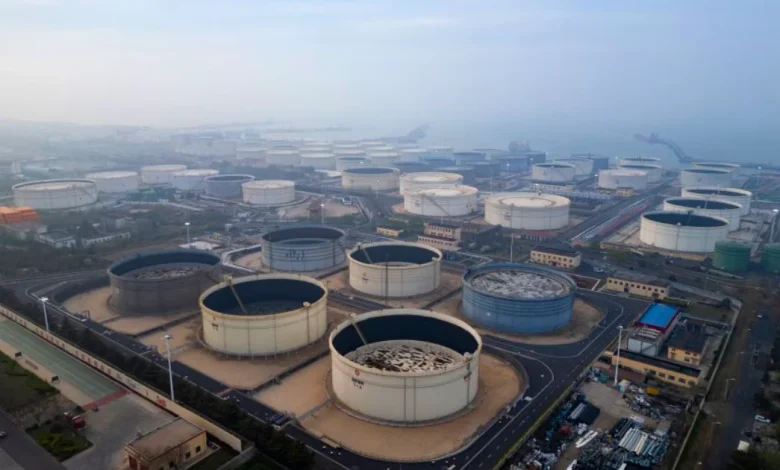
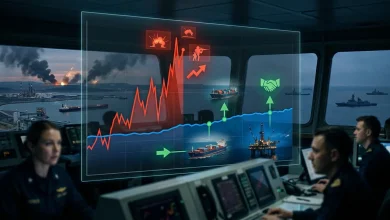
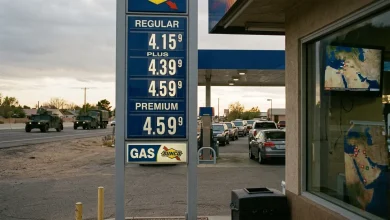
China is currently navigating one of the most severe energy supply chain disruptions in its modern economic history. In 2025, the world’s second-largest economy successfully sourced exactly half of its total energy imports from the resource-rich Middle East. Today, that critical pipeline is effectively gone. The ongoing war has fractured long-standing trade routes, obliterated established shipping schedules, and plunged international energy markets into an unprecedented state of volatility. Since the outbreak of full-scale conflict, Middle Eastern crude imports into the nation have plummeted by a staggering 28 percent. Even more alarming for industrial planners in Beijing, refined fuel imports from the region ground to a complete halt, hitting nearly zero in May. The cascading effects are rippling through the liquid gas sector as well, with liquefied natural gas (LNG) and liquefied petroleum gas (LPG) shipments from the Gulf dropping by 43 percent. As the largest energy importer on the planet, the nation is scrambling to fill this massive void by pivoting to alternative suppliers in Brazil, Russia, and North Africa. However, the data clearly indicates that this emergency rewiring is not working cleanly. Total crude imports remain down 10 percent year-over-year, and fuel imports have dropped by 11 percent. The stark reality is that there is no clean, one-to-one substitute for the massive volume and geographical proximity of Gulf suppliers. The conflict is not just devastating Middle Eastern economies; it is actively forcing a real-time, chaotic overhaul of global energy networks, and the numbers reveal a system struggling to maintain equilibrium.
The Complete Collapse of Middle Eastern Energy Pipelines
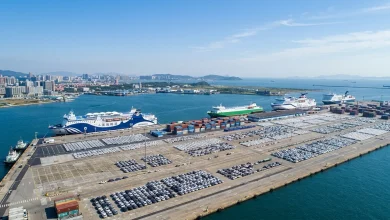
For decades, the energy synergy between the Far East and the Arabian Gulf was the bedrock of global industrial growth. Supertankers continuously traversed the Indian Ocean, delivering millions of barrels of crude oil to massive coastal refineries in Asia. The sudden deterioration of geopolitical stability has effectively severed this vital artery. The disruption transcends mere logistical delays; it represents a fundamental break in the continuous flow of hydrocarbons that power entire manufacturing cities.
Analyzing the 28 Percent Drop in Crude Oil Imports
A 28 percent reduction in crude oil from a primary source region is an economic earthquake. To contextualize this figure, we must understand the immense scale of the daily consumption involved. Before the conflict escalated, millions of barrels flowed seamlessly every single day. The sudden evaporation of over a quarter of this supply has created an immediate deficit that strategic reserves can only cover for a limited period. Independent refiners, often referred to as teapots, are feeling the most acute pain. Unlike massive state-owned petroleum conglomerates that maintain heavily diversified, long-term contracts globally, these smaller regional refiners rely heavily on the spot market and the reliable flow of Gulf crude. The 28 percent drop translates directly into reduced refinery run rates, tighter margins, and sudden shortfalls in essential petrochemical feedstocks.
Refined Fuel and LNG Shipments Hitting Zero
While the crude oil drop is devastating, the situation regarding refined products and specialized gases is catastrophic. In May, refined fuel imports from the Middle East flatlined at nearly zero. This includes critical products like naphtha, diesel, and aviation fuel components. Simultaneously, LNG and LPG imports collapsed by 43 percent. LNG is paramount for electricity generation and industrial heating, while LPG is essential for residential cooking and specialized chemical manufacturing. The absence of these specialized vessels arriving at eastern ports has forced regional governments to implement emergency rationing protocols and rely heavily on heavily polluting alternatives like domestic coal, effectively reversing years of environmental progress.
| Energy Commodity Category | Pre-War Middle East Reliance (2025) | Current Import Decline (YoY) | Global Alternative Sources Pursued | Overall Import Deficit |
|---|---|---|---|---|
| Crude Oil | 50% of Total Imports | -28% Drop | Russia, Brazil, Angola | -10% Overall |
| Refined Fuels | Significant Supplier | Near Zero (May) | Domestic refining optimization | -11% Overall |
| LNG & LPG Gas | Primary Regional Supplier | -43% Drop | North Africa, Central Asia | Critical Shortages |
Frantic Efforts to Rewire Supply Chains
Faced with an existential threat to its industrial engine, the central government has initiated a frantic, multi-continent pivot to secure hydrocarbons. Diplomats and energy executives are scouring the globe to sign emergency spot contracts, charter bulk carriers, and negotiate pipeline volume increases. However, the global energy supply chain is not a simple switchboard; it is a highly complex, slow-moving ecosystem that requires years of infrastructure planning to alter efficiently.
The Pivot to Russia, Brazil, and North Africa
The immediate strategy has focused heavily on maximizing imports from three major alternative regions: Russia, Brazil, and North Africa. Russian ESPO blend crude, delivered via pipeline and short-haul tanker routes from Kozmino, has surged. However, pipeline capacities are physically maxed out, and the specialized ice-class tanker fleet is severely limited. To compensate, massive maritime purchases have been directed toward South America. Brazilian offshore pre-salt crude is flowing east in unprecedented volumes. Similarly, North African nations, primarily producing lighter, sweeter crude varieties, are being tapped to fill the specialized gas and refined product gaps. This pivot represents one of the most aggressive and rapid geographical shifts in commodity purchasing history.
Why New Suppliers Cannot Match Gulf Volumes
Despite these monumental efforts, total crude imports remain stubbornly down by 10 percent on the year. The core issue lies in the inescapable laws of physics, chemistry, and maritime logistics. Firstly, Middle Eastern crude is primarily medium-sour, meaning it has specific sulfur content and density profiles that specialized coastal refineries have spent billions optimizing their equipment to process. Brazilian and North African oils are chemically different, leading to inefficient processing, lower yields of desired products, and increased wear on refinery infrastructure. Secondly, the transit time from the Gulf is approximately 15 to 20 days. Sourcing oil from Brazil requires traversing the globe, turning a 20-day voyage into a 40 to 45-day logistical marathon. This doubles the required shipping capacity, drastically inflates freight costs, and introduces immense vulnerability to weather and maritime chokepoints. Experts at organizations like the International Energy Agency (IEA) continually highlight that logistical bottlenecks make an overnight substitution mathematically impossible.
Economic Repercussions for the World’s Largest Importer
The inability to cleanly substitute Gulf energy has cascaded through the broader economy, presenting significant hurdles to an already fragile post-pandemic recovery. Energy is the fundamental input for every physical sector, and an 11 percent drop in overall fuel availability directly throttles industrial output, logistics, and consumer pricing mechanisms.
Industrial Impacts and Manufacturing Bottlenecks
The manufacturing sector, which relies on consistent, low-cost energy to maintain global competitiveness, is facing intense margin pressure. Petrochemical plants that produce plastics, synthetic fibers, and essential fertilizers are running below optimal capacity due to a lack of chemical feedstocks. The logistics network, heavily dependent on diesel for trucking and bunker fuel for domestic shipping, is passing increased energy costs directly down the supply chain. These inflationary pressures have a profound impact on the nation’s export competitiveness. Furthermore, the massive capital required to secure distant energy supplies is causing significant capital flight, impacting the broader currency markets and putting pressure on the central bank to maintain foreign exchange stability while paying exorbitant premiums for emergency shipments.
Geopolitical Ramifications of the Energy Deficit
Beyond immediate economics, the energy rewiring has intense geopolitical implications. The vulnerability exposed by the sudden loss of Gulf oil has supercharged strategic planning in Beijing. The realization that 50 percent of the energy supply can evaporate due to regional conflicts has fundamentally altered the nation’s foreign policy and maritime defense doctrines.
The Strategic Vulnerability of the Malacca Dilemma
For decades, strategists have warned of the Malacca Dilemma—the reality that a vast majority of imported oil must pass through the narrow Strait of Malacca. The current crisis exacerbates this fear. With Gulf oil disrupted, the alternative route from Brazil and West Africa still requires maritime transit through heavily monitored oceans and vulnerable chokepoints. The ongoing Strait of Hormuz standoff demonstrates exactly how localized maritime blockades can cripple global powers. This is accelerating domestic investments in strategic petroleum reserves, cross-border continental pipelines from Central Asia, and an unprecedented push toward renewable domestic energy dominance to permanently reduce maritime import reliance.
Long-term Outlook for Global Energy Markets
The current landscape indicates that the rewiring of the energy map is not a temporary anomaly but the beginning of a permanent structural shift. As the conflict grinds on, global trade routes are solidifying into new, less efficient, but highly entrenched patterns. The impact of this shift is being felt across all corners of the globe, fundamentally altering how nations view energy security.
Will the Supply Chain Ever Normalize?
Normalization in the traditional sense is highly unlikely. The trust required to rely completely on a single, volatile region has been irreparably shattered. Even if hostilities cease tomorrow, the imperative to diversify will remain paramount. The massive capital currently flowing into ultra-long-haul shipping logistics from South America and new extraction projects in North Africa will demand long-term contracts to ensure return on investment. Furthermore, as different regions adopt varying approaches to the crisis, such as the aggressive oil policy stance seen in Eastern European politics, the global market is fracturing into heavily politicized blocs. Ultimately, the era of frictionless, hyper-efficient global shipping and geopolitics dictated purely by price and proximity has ended. The world’s largest energy importer has learned a harsh, permanent lesson, and the ensuing scramble to secure alternative energy pipelines will dictate international trade dynamics, maritime security, and macroeconomic stability for decades to come.