Dollar Decline: Ceasefire Sinks Currency Markets 2026
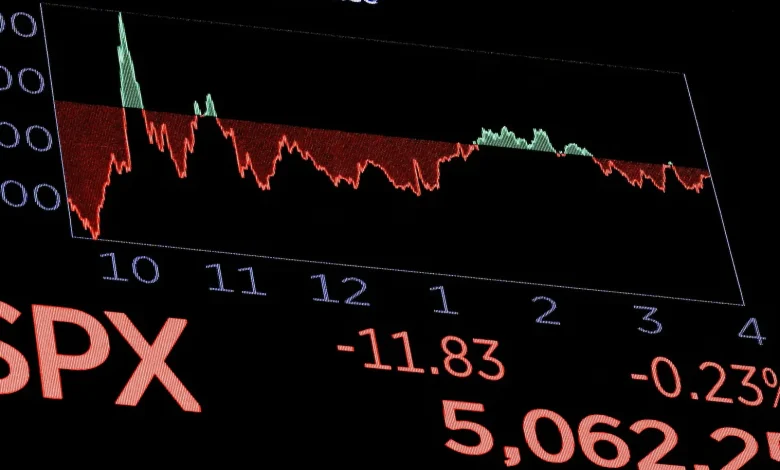
Dollar dominance has been the absolute defining narrative of the last six weeks of intense geopolitical conflict. The war was unequivocally great for the greenback, driving massive safe-haven inflows from global investors seeking stability amidst chaos. However, the recent ceasefire announcement has abruptly altered this financial landscape. Demand for U.S. dollars in global currency markets has been quietly but significantly falling since the diplomatic pause was officially announced. Investors who piled into the currency to shelter from geopolitical storms are now aggressively unwinding the safe-haven trade that systematically built up over the prior six weeks of conflict. The immediate pivot away from cash equivalents towards riskier assets reveals a fundamental psychological shift among institutional traders. When global instability peaks, the greenback serves as the world’s ultimate reserve and refuge. Now, with the potential for lasting peace on the table, that defensive premium is vanishing rapidly. This sudden recalibration has sent ripples across international exchanges, forcing hedge funds and sovereign wealth managers to rethink their strategic macroeconomic allocations.
The Ceasefire Catalyst: Unwinding Safe-Haven Trades
During times of acute international distress, the U.S. dollar intrinsically benefits from what economists call a liquidity premium. The sheer depth and liquidity of U.S. Treasury markets make them the default destination for capital fleeing regional crises. Over the aforementioned six-week period, fear-driven bids pushed the DXY index to multi-month highs. However, as detailed in our analysis of the Iran-Israel war ceasefire 2026 comprehensive geopolitical impact, the abrupt halt to hostilities triggered an immediate reassessment of global risk. The ceasefire catalyzed a massive unwinding of these long positions. The rapid liquidation of dollar holdings is not simply a correction; it is a structural realignment reflecting the evaporation of war-induced panic. Traders who hoarded the currency are now deploying that capital back into emerging markets, equities, and higher-yielding international bonds, deliberately stripping the dollar of its geopolitical armor. Furthermore, the mechanics of unwinding such massive positions involve significant spot market selling. Currency swap lines, which had seen elevated utilization as foreign banks scrambled for dollar liquidity, have suddenly cooled. This decrease in institutional hoarding removes a crucial pillar of support that had artificially inflated exchange rates against the Euro, Yen, and British Pound.
Anatomy of a Six-Week Financial Shock
To fully comprehend the magnitude of the current decline, one must analyze the anatomy of the shock that preceded it. When the conflict first erupted, global clearinghouses immediately raised margin requirements, creating a massive artificial demand for dollar collateral. This dash for cash echoed previous historical crises, temporarily blinding markets to underlying macroeconomic weaknesses in the U.S. economy. For six consecutive weeks, algorithmic trading systems and quantitative funds programmed to buy the dollar on VIX spikes exacerbated the currency’s ascent. However, the architecture of this rally was inherently fragile, built entirely on the expectation of prolonged instability rather than organic economic growth. As the ceasefire materialized, the very algorithms that propelled the dollar upward abruptly reversed their directional bias, triggering cascading sell orders that have suppressed demand across global currency markets.
Nomura Forecast: 4% Drop by Year-End
If the ceasefire holds and a definitive, binding resolution is signed, the trajectory for the U.S. currency looks notably bearish. Leading financial institution Nomura has publicly projected that the dollar could drop an additional 4% by year-end under these specific conditions. This projection is rooted in complex econometric modeling that strips away the geopolitical risk premium currently embedded in the exchange rate. According to Nomura’s analysts, the initial relief rally in risk assets will inevitably be followed by a sustained period of dollar depreciation as capital systematically repatriates to recovering international markets. The forecast hinges on the premise that a real deal will successfully restore normalcy to global trade routes and dramatically reduce the precautionary demand for dollar-denominated assets. If global energy trade normalizes, albeit with a lag as Nomura suggests, the macroeconomic environment could pivot away from extreme dollar dependence. Investors are now closely monitoring diplomatic channels; every successful negotiation milestone reinforces Nomura’s bearish outlook, encouraging forward-looking currency traders to short the greenback in anticipation of this projected 4% decline.
Global Currency Market Reactions
The immediate reactions within global currency markets have been sharply pronounced. The Euro, which bore the brunt of the safe-haven exodus due to its geographic and economic proximity to global conflict zones, has experienced a robust resurgence. Similarly, the Japanese Yen, heavily battered by widening interest rate differentials and high energy import costs, found momentary relief as the ceasefire alleviated the peak pressures on global oil prices. The British Pound and Swiss Franc have also capitalized on the dollar’s vulnerability, carving out significant gains in recent trading sessions. This synchronized appreciation of major counterpart currencies underscores a critical reality: the dollar’s recent strength was an anomaly born of conflict, not a reflection of underlying U.S. economic exceptionalism. As the Reuters global currency tracker illustrates, the unwinding process is broad-based, affecting virtually every major currency pair as the market recalibrates to a less hostile global paradigm.
Geopolitical Shifts and Economic Toll
The overarching geopolitical landscape is undergoing a massive transformation that directly impacts currency valuations. Six weeks of intense conflict forced nations to reevaluate their supply chains, defense budgets, and strategic alliances. While the war heavily bolstered the U.S. dollar, the resulting economic toll on global growth was severe. A sustained ceasefire allows the global economy to breathe, pivoting attention back to domestic fiscal policies rather than international survival. This shift means that the United States can no longer rely on global fear to mask its own domestic economic challenges, such as ballooning national debt and persistent inflationary pressures. As international relations stabilize, the narrative inevitably shifts from preservation of capital to maximization of yield. Consequently, foreign direct investment is expected to slowly flow back into developing nations and conflict-adjacent economies that offer far more attractive growth prospects than the currently overvalued U.S. markets.
Energy Sector Ripple Effects
The energy sector remains intrinsically linked to the fate of the global reserve currency. Because global oil is predominantly priced in U.S. dollars, massive fluctuations in energy markets directly influence currency demand. During the height of the conflict, particularly following events like the Israel-Iran strike on South Pars in 2026, the threat of severe oil supply disruptions forced importing nations to hoard dollars to guarantee their energy purchases. The ceasefire has effectively deflated this panic-driven energy premium. As crude oil prices retreat from their conflict-induced highs, the total volume of dollars required to facilitate daily global energy transactions naturally decreases. This reduction in the petrodollar transaction volume exerts further downward pressure on the currency’s valuation, aligning perfectly with Nomura’s bearish year-end projection.
Alternative Assets Taking the Reins
With the dollar losing its luster, institutional and retail investors alike are aggressively seeking out alternative safe-haven assets that can preserve purchasing power without the geopolitical baggage of a fiat currency. Historically, precious metals have served as the primary beneficiary of a weakening dollar, and the current environment is no exception. We are witnessing substantial shifts in the gold rate today as capital rotates out of U.S. Treasuries and into bullion. Gold offers a tangible hedge against the very real possibility that the ceasefire may lead to a more stagflationary global environment in 2026, as Nomura has warned. This rotation highlights a profound lack of faith in the long-term purchasing power of the dollar, particularly as central banks around the world continue to diversify their reserve holdings away from U.S. hegemony.
Cryptocurrencies and Digital Hedging
Simultaneously, the digital asset ecosystem is capturing a significant portion of the capital fleeing the dollar. Decentralized currencies operate independently of traditional nation-state geopolitics, making them highly attractive during periods of diplomatic transition. Traders are deeply analyzing the Bitcoin price complete 2026 market analysis to gauge how the flagship cryptocurrency will perform in a post-conflict, weaker-dollar environment. If the dollar continues to slide towards the 4% deficit predicted by Nomura, Bitcoin and other major digital assets are theoretically positioned for substantial upside. The unwinding of traditional safe-haven trades provides exactly the type of liquidity injection that historically fuels major rallies in the crypto sector, establishing digital hedging as a permanent fixture in modern geopolitical risk management.
Data Analysis: Dollar Index Trajectory
To visualize the profound impact of the ceasefire on currency markets, one must examine the specific metrics of the U.S. Dollar Index (DXY) and corresponding major currency pairs. The following table provides a comprehensive summary of the market’s trajectory, highlighting the peak conflict pricing, the immediate post-ceasefire reality, and Nomura’s projected year-end targets. This data underscores the rapid deflation of the geopolitical premium that had previously buoyed the greenback.
| Financial Metric | Pre-Ceasefire Peak (Conflict High) | Current Post-Ceasefire Level | Nomura Year-End Projection (4% Drop) |
|---|---|---|---|
| U.S. Dollar Index (DXY) | 107.50 | 103.20 | 99.07 |
| EUR/USD Exchange Rate | 1.0450 | 1.0810 | 1.1240 |
| GBP/USD Exchange Rate | 1.2200 | 1.2650 | 1.3150 |
| USD/JPY Exchange Rate | 152.00 | 147.50 | 141.60 |
| Safe-Haven Premium (Est.) | +3.5% | +0.5% | 0.0% (Fully Unwound) |
The data clearly illustrates a decisive shift in market sentiment. The DXY’s rapid descent from its conflict highs demonstrates just how quickly institutional capital can pivot when the fundamental narrative changes. If Nomura’s projection of a sub-100 DXY materializes by the end of the year, it will mark one of the most aggressive bearish reversals in recent currency trading history, fundamentally altering the global balance of financial power.
Central Bank Implications
This currency depreciation heavily influences the strategic posture of global central banks, particularly the Federal Reserve. During the conflict, the artificially strong dollar acted as a massive disinflationary force for the U.S. economy, effectively exporting inflation to other nations by making imports cheaper. However, as the dollar weakens post-ceasefire, that disinflationary shield vanishes. The Federal Reserve now faces a highly complex scenario: navigating a depreciating currency that could reignite domestic import inflation just as the global economy attempts to normalize. Concurrently, the European Central Bank and the Bank of England are breathing a sigh of relief, as the strengthening of their respective currencies helps suppress their own local inflationary pressures, potentially allowing them to adopt more dovish monetary policies sooner than anticipated.
Long-Term Outlook for U.S. Dominance
Beyond the immediate 4% drop projected by Nomura, the broader implications for the U.S. dollar’s hegemony are profound. The recent crisis has sharply illuminated a growing global fatigue with the weaponization of the dollar and its inherent volatility tied to U.S. foreign policy. Nations in the BRICS coalition and beyond are actively accelerating their de-dollarization initiatives. The fact that the dollar’s value is currently so heavily dependent on the presence or absence of global conflict is inherently destabilizing for countries that rely on it for trade. The unwinding of these safe-haven trades may prove to be more than just a cyclical correction; it could be the catalyst for a structural, long-term diversification away from the greenback. As international trade mechanisms slowly adapt to utilize alternative settlement currencies, the baseline demand for U.S. dollars will inevitably erode, cementing the ceasefire not just as a diplomatic victory, but as a turning point in global financial architecture.
Will the Ceasefire Deal Hold?
The entire premise of Nomura’s bearish 4% forecast and the continued unwinding of safe-haven trades rests entirely on the durability of the current ceasefire. Financial markets are notoriously cynical, and traders are currently pricing in a high probability that the diplomatic agreements will transition into a permanent, actionable peace deal. However, any structural breakdown in these delicate negotiations would instantaneously reverse the current trends. Should hostilities resume, the global flight to safety would aggressively re-ignite, violently snapping the dollar back to its conflict highs and causing severe liquidations across risk assets. Therefore, global currency markets remain in a state of hyper-vigilance. The U.S. dollar’s trajectory over the next fiscal year is no longer dictated strictly by domestic economic performance or traditional interest rate differentials; it is entirely held hostage by the success or failure of international diplomacy. If the peace holds, the era of pandemic and war-driven dollar dominance may finally be drawing to a definitive close.