Airstrikes against Iran Enter Ninth Day as Peace Talks Collapse 2026
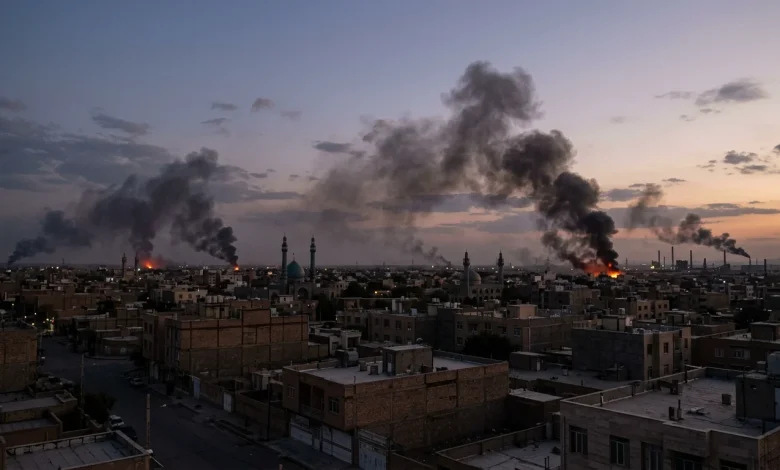
Table of Contents
Airstrikes against Iran Enter Ninth Day of Hostilities
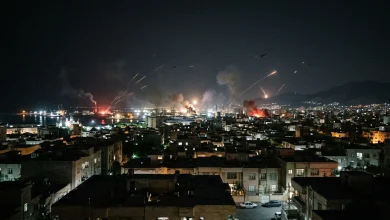
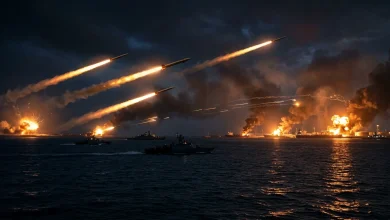
Airstrikes against Iran entered their ninth consecutive day of intense aerial bombardment as U.S. forces expanded offensive operations following the collapse of high-stakes diplomatic talks. Following the previous weeks of sustained aerial bombardments, the situation has now crossed a critical threshold. The breakdown of peace negotiations, which had briefly offered a glimmer of hope to a region on the brink of an all-out war, has plunged the international community into deep anxiety. At the heart of the dispute is a failed memorandum of understanding that was meant to govern the Strait of Hormuz, the world’s most critical oil shipping choke point. With both Washington and Tehran refusing to yield on key maritime security clauses, the region has dissolved back into a state of active warfare.
This escalation is a stark reminder of earlier ceasefire agreements teetering on collapse, leaving diplomatic corridors entirely vacant. The collapse of these talks is not merely a localized diplomatic failure but a tectonic shift in Middle Eastern security dynamics. For months, intermediate negotiators from third-party nations had attempted to broker a framework that would prevent naval skirmishes in the Gulf. However, the irreconcilable differences regarding sovereignty, patrol rights, and transit fees proved too deep to bridge. As a result, the temporary pause in hostilities evaporated, giving way to the sustained bombing campaign that has now characterized the last nine days.
The Geopolitical Red Line: Strait of Hormuz Peace Collapse
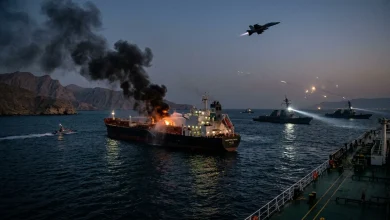
The strategic importance of the Strait of Hormuz cannot be overstated, as it represents the premier choke point for global oil markets. When peace negotiations collapsed, the primary bone of contention was how security and commercial access would be managed along this narrow waterway. Coalition forces insisted on an open-access model with multilateral patrol units, while Iranian negotiators demanded exclusive regulatory authority. This complete misalignment of fundamental interests led to a swift dissolution of the dialogue, with both nations preparing for immediate military contingencies.
The Failed Memorandum of Understanding
The diplomatic breakdown was solidified during the heated negotiation over the Islamabad Memorandum of Understanding. Iran demanded complete sovereign oversight of all shipping lanes passing through the Strait of Hormuz, including the right to inspect commercial vessels at will. The United States and its Western allies fiercely opposed these terms, arguing that such measures would allow Tehran to hold the global economy hostage. The Strait of Hormuz is a vital economic artery through which approximately one-fifth of the world’s petroleum passes daily. A restriction or blockade here would trigger a massive spike in global oil prices and risk plunging international financial markets into chaos.
Because neither party was willing to make concessions on these pivotal terms, the draft memorandum was discarded. Almost immediately after the talks fell apart, military maneuvers resumed. U.S. naval forces took up aggressive positions, while Iranian regional proxies activated advanced defense networks. The rapid sequence of events underscores how fragile the diplomatic progress had been, and how quickly minor disagreements over legal phrasing can spiral into a multi-theater military campaign.
CENTCOM Reports New Casualties in Iraq and Jordan
As the conflict intensifies, the physical toll on military personnel on both sides continues to mount. U.S. Central Command (CENTCOM) confirmed a series of tragic updates over the weekend, highlighting the persistent dangers faced by coalition forces deployed in neighboring countries. According to military statements, a third U.S. service member has been killed in action since Friday, illustrating the lethal nature of this ongoing confrontation. This latest loss adds to a grim tally of earlier fatal incidents that have plagued forward-deployed forces in the region.
CENTCOM officials noted that the operational environment remains highly volatile, with threats ranging from direct missile strikes to complex asymmetric sabotage. Coalition forces are on high alert across all installations in the Middle East, particularly those in close proximity to Iranian-backed militia strongholds in Iraq, Syria, and Jordan. The military’s defensive posture has been strained by the sheer volume of unmanned aerial vehicles and guided munitions deployed by Iranian forces in recent weeks.
The Controlled Detonation Tragedy in Kurdistan
In one of the most recent incidents, a U.S. service member was killed in the Kurdistan Region of Iraq. According to CENTCOM, the fatality occurred during a controlled detonation of a downed Iranian drone. Military analysts point out that Iran’s use of asymmetric warfare tactics, particularly unmanned aerial vehicles, poses an ongoing threat. The drone had been intercepted and disabled by electronic warfare systems, but it remained a highly volatile hazard on the ground. During the disposal process, the ordnance triggered unexpectedly, causing fatal injuries to the explosive ordnance disposal (EOD) specialist on site.
This tragedy highlights the persistent danger posed by unexploded ordnance and booby-trapped technology in modern combat zones. Iranian drone designs have increasingly incorporated secondary explosive mechanisms and anti-tamper devices specifically engineered to target EOD technicians. The loss of life in Kurdistan has prompted a comprehensive review of safety protocols surrounding the retrieval and destruction of hostile aerial assets, as commanders seek to mitigate risks in future interception operations.
Unidentified Remains Recovered at Jordan Base
Further complicating the regional security picture, CENTCOM reported that military recovery teams have uncovered unidentified remains at a base in Jordan. The location, later identified as the Muwaffaq Salti Air Base, was the target of a devastating Iranian drone and missile strike last Friday. That specific attack resulted in the deaths of two U.S. military personnel, who were officially identified by the Department of Defense on Monday as 1st Lt. Tyler James Feehan, 25, of Ewa Beach, Hawaii, and Pvt. Isabella Gonzales, 19, of Carrollton, Texas. Both service members were highly respected within their units and were serving in critical defense support roles.
The discovery of the unidentified remains has raised several questions. Military officials stated that they are still working to determine the identity of the deceased individual through DNA analysis and forensic investigation. The Pentagon has declined to speculate on whether the remains belong to another U.S. service member, a local civilian contractor, or a foreign national present at the base during the attack. The sensitivity of the situation has led to a restricted flow of information as families of those stationed at the base await further confirmation.
The Escalating Human Cost of the Conflict
The human cost of this multi-front war has reached alarming levels in a remarkably short period. With the latest weekend casualties, the United States has officially confirmed that 17 of its military personnel have been killed since the outbreak of hostilities. This escalating death toll has put immense pressure on the administration to achieve a decisive military outcome or find an alternative diplomatic exit. The families of the fallen service members have received nationwide support, but public debates regarding the strategic objective of the campaign are beginning to intensify.
On the other side of the conflict, the humanitarian crisis in Iran has reached catastrophic proportions. Iranian state media and independent humanitarian organizations report that thousands of individuals have lost their lives since the conflict began. The high density of military installations in close proximity to metropolitan areas has meant that even high-precision coalition strikes carry a substantial risk of collateral damage, leading to growing international concern over civilian welfare.
Discrepancies in Casualty Reports
There remain stark discrepancies in the casualty numbers reported by the opposing governments. While the United States focuses on confirming the identities of its 17 fallen service members, Tehran claims that at least 3,000 Iranians, a significant percentage of whom are civilians, have been killed since the U.S. and Israel began their coordinated operations against Iran on February 28, 2026. Among the most tragic incidents highlighted by international observers was a strike on a girls’ school in a southern province, which reportedly claimed the lives of 168 children and 14 adult staff members. The U.S. military has stated that it has not yet completed a full, independent review of that specific strike, though officials maintain that all targets are vetted with extreme care to avoid civilian infrastructure.
Independent human rights monitors have urged both sides to establish humanitarian corridors to allow civilians to flee active combat zones. However, with the ongoing blockade and continuous airstrikes, safe passage remains virtually non-existent. The diplomatic paralysis between Washington and Tehran has extended to international humanitarian organizations, which are finding it exceedingly difficult to deliver essential medical supplies and food to affected populations inside Iran.
Strategic Retaliation: Infrastructure and Logistics Under Fire
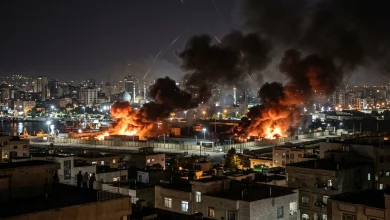
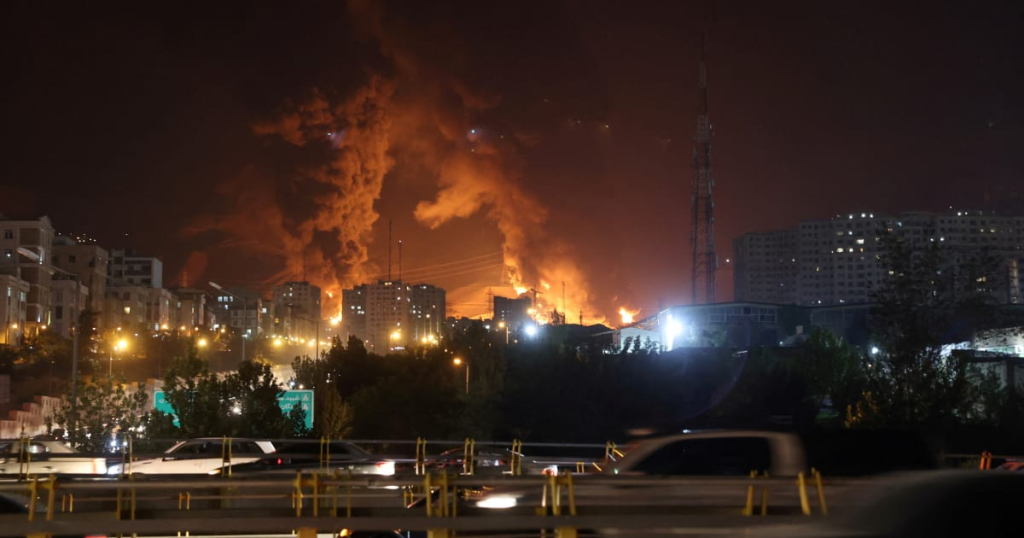
The tactical nature of the confrontation has evolved rapidly over the past nine days. U.S. airstrikes have increasingly shifted from targeting strictly military facilities to striking key logistical and industrial infrastructure. Over the weekend, coalition bombers focused heavily on southern Iranian provinces, destroying critical bridges, transportation hubs, and electrical grids directly adjacent to the shipping lanes. To counteract these shipping disruptions, the Trump administration recently reinstated restrictions in the Strait of Hormuz.
This blockade works in tandem with a broader economic and naval blockade implemented to starve the regime of vital resources. By degrading Iran’s domestic infrastructure, the U.S. military aims to disrupt the supply chains that feed ballistic missile manufacturing plants and drone assembly facilities. However, Iran has demonstrated a resilient defensive and retaliatory posture. In response to the destruction of its bridges and power grids, Tehran launched dozens of retaliatory strikes on Monday, targeting water desalination plants and civilian electricity networks in allied Gulf states. This tit-for-tat escalation threatens to paralyze the daily lives of millions of residents across the region.
President Trump Addresses the Nation Amid World Cup Return
The political response in Washington has been uncompromising. Returning from an appearance at the World Cup final, President Donald Trump addressed reporters after landing in Maryland. He stated unequivocally that the latest waves of airstrikes were executed “in honor” of the American service members who lost their lives in Jordan and Iraq over the weekend. “We hit them very hard again tonight, and we will continue to do so as long as they threaten our personnel and international freedom of navigation,” Trump declared, signaling that the administration has no intention of scaling back the offensive.
The United States, alongside its regional allies, has coordinated these actions under broader regional coalition strategies designed to pressure Tehran. While the administration faces growing domestic questions regarding the long-term endgame of the war, the prevailing policy remains focused on military deterrence. The collapse of the peace talks has left the White House with few diplomatic alternatives, making a prolonged military campaign increasingly likely unless a major diplomatic breakthrough occurs via secondary international mediators.
Conflict Comparison and Strategic Metrics
The following table outlines the current operational indicators, showing the stark contrast between the two nations’ strategies, casualties, and geopolitical objectives as of late July 2026:
| Metric / Category | United States & Allied Forces | Islamic Republic of Iran |
|---|---|---|
| Reported Casualties (Since Feb 28, 2026) | 17 service members confirmed dead | Estimated 3,000+ (including substantial civilian casualties) |
| Recent Significant Losses | 1st Lt. Tyler James Feehan, Pvt. Isabella Gonzales, and 1 unnamed service member | Heavy military personnel losses, extensive regional militia deaths |
| Primary Operational Target Sets | Drone storage, missile silos, naval assets, command bases | Desalination plants, power grids, logistics bridges, troop hubs |
| Geopolitical Stance on Strait of Hormuz | Insists on free navigation and multilateral oversight MOU | Demands sovereign control, unilateral transit fees, and regional blockade |
| Current Military Posture | Naval blockade, precision airstrikes, regional base enforcement | Asymmetric drone assaults, ballistic missiles, retaliatory grid strikes |
The Geopolitical Outlook: Escalation vs. Diplomacy
As the conflict enters its second week of consecutive bombing, international analysts are warning of a protracted war of attrition. With the Strait of Hormuz effectively closed to commercial traffic and both nations actively targeting each other’s economic infrastructure, the global economic fallout is beginning to manifest. Supply chain bottlenecks, soaring insurance premiums for maritime shipping, and regional instability are placing immense strain on global markets. If a diplomatic path is not carved out soon, the military confrontation could expand to involve other regional powers, turning a localized conflict into a broader global crisis.