Strait of Hormuz: Iran Holds Firm on Reopening Conditions 2026
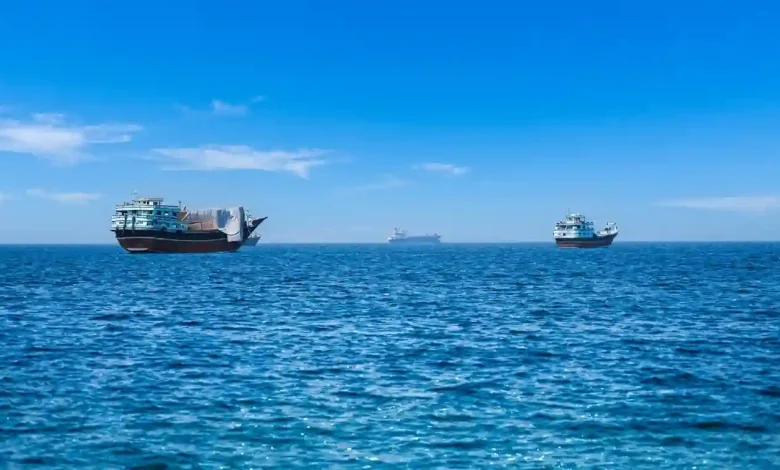
Table of Contents
Strait of Hormuz tensions escalated dramatically on Tuesday as Iran refused to back down from its strict conditions for reopening the vital maritime corridor. A series of intense military and diplomatic developments unfolded across Southwest Asia, highlighting the deep geopolitical impasse that continues to choke international trade routes. While Pakistan’s interior minister, Mohsin Naqvi, arrived in Tehran for high-level emergency consultations, the waters of the Gulf of Oman and the Bab al-Mandeb strait witnessed a sharp escalation in hostile naval activity. Both the United States and Yemen’s Houthi forces launched fresh attacks on maritime shipping, demonstrating how quickly local tactical skirmishes can mushroom into a systemic global crisis. These confrontations occur amidst the devastating backdrop of the ongoing war with Iran, an armed struggle involving regional and extra-regional powers that shows no tangible signs of winding down.
Despite repeated assurances from US President Donald Trump that a historic deal was within reach, the diplomatic chasm between Washington and Tehran appears wider than ever. The Strait of Hormuz dispute is not merely a regional security concern; it is a fundamental test of international maritime law, trade resilience, and the shifting balance of power. With Iran refusing to ease its blockade until its sovereign and economic conditions are fully met, regional stakeholders are scrambling to prevent a total economic collapse. The persistence of the deadlock highlights the limits of coercive diplomacy and naval posture in one of the world’s most critical energy chokepoints.
Mohsin Naqvi’s Tehran Mission: Pakistan’s High-Stakes Mediation
Islamabad has stepped up as a crucial intermediary, striving to prevent a broader escalation that would inevitably devastate South Asian economies. Pakistani Interior Minister Mohsin Naqvi’s arrival in Tehran on Tuesday represents a renewed diplomatic surge. Conveying crucial messages from Prime Minister Shehbaz Sharif and military leadership, Naqvi’s discussions with Iranian President Masoud Pezeshkian and Foreign Minister Abbas Araghchi focused on establishing a sustainable mechanism for dialogue and resolving the immediate maritime standoff.
Through Pakistan’s regional mediation efforts, Islamabad hopes to bridge the vast gap between Iran’s defensive posturing and the US-led naval coalitions. During his meetings, Naqvi proposed several structured frameworks aimed at de-escalating naval standoffs. However, the task remains immensely complicated. Tehran’s leadership has made it clear that while they value Pakistan’s neighborly goodwill, they will not compromise on their national defense strategy or sovereign rights over their territorial waters. The visit underscored the delicate balancing act Pakistan must perform, managing its relations with western powers while keeping borders peaceful.
The Makkah Joint Defence Agreement Backdrop
A major talking point during Naqvi’s diplomatic mission was the newly minted Makkah Joint Defence Agreement. Signed recently between Pakistan, Saudi Arabia, and Turkey, this defensive pact has shifted the regional security calculus. While some in Tehran viewed the agreement with initial skepticism, Naqvi went to great lengths to brief Iranian officials on its purely defensive nature. He reassured President Pezeshkian that the agreement is designed to combat terrorism and protect territorial integrity, rather than act as a hostile bloc against Iran.
Establishing trust on this front is vital for Pakistan, which shares a long, porous border with Iran and must carefully balance its security ties with Gulf monarchies against its bilateral relationship with Tehran. The Iranian leadership acknowledged these assurances but reiterated that true regional security can only be achieved through internal cooperation among regional states, free from the interference of extra-regional militaries. This dialogue reflects a broader struggle for influence and security architecture in the post-conflict Middle East.
Iranian Non-Negotiables: The Core Demands for Reopening the Strait
Tehran has consistently maintained that the closure of the Strait of Hormuz was a direct and necessary response to aggressive foreign blockades and economic warfare. Senior Iranian officials, including National Security Council Chief Mohsen Rezaei, have emphasized that the waterway will not be reopened unconditionally. For Iran, any future maritime arrangement must acknowledge its right to control and regulate transit through its territorial seas, including the collection of security fees from vessels utilizing the channel.
Furthermore, Iran is demanding substantial reparations for the economic damages inflicted by unilateral Western sanctions and military actions. By taking a hardline stance, Tehran is betting that the economic pain felt by Western consumer markets will eventually force Washington to make significant concessions. They argue that a return to the pre-war status quo is impossible without a comprehensive treaty that guarantees Iran’s security and lifts all maritime blockades. These non-negotiable points represent a formidable barrier to any quick diplomatic breakthrough.
Duel of Blockades: Escalation in the Gulf of Oman and Bab al-Mandeb
As diplomats talk in Tehran, the physical conflict at sea continues to rage. The Gulf of Oman and the Bab al-Mandeb strait have become highly active combat zones. On Tuesday, United States naval assets engaged in direct strikes, aiming to neutralize what they termed imminent threats to merchant shipping. Simultaneously, Yemen’s Houthis launched coordinated missile and drone attacks on commercial vessels accused of violating their self-declared embargoes. This dual-blockade dynamic has effectively paralyzed the traditional trade routes connecting Europe, Asia, and East Africa.
The US military strategy against Iran has increasingly focused on enforcing a naval cordon around Iranian ports while attempting to degrade Houthi launch capabilities in western Yemen. However, this policy has met with fierce resistance. Houthi forces have demonstrated an advanced capacity to sustain operations despite intensive allied bombing campaigns. By targeting shipping lanes in the Bab al-Mandeb, the Houthis have successfully complemented Iran’s closure of Hormuz, presenting global shipping companies with an unprecedented, dual-chokepoint crisis that defies simple military solutions.
The Trump Peace Rhetoric vs. Strategic Reality
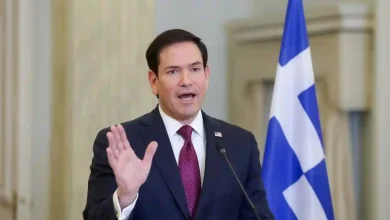
United States President Donald Trump has repeatedly claimed on social media and during press briefings that his administration is on the verge of securing a “grand bargain” with Iran. However, these assertions are starkly contradicted by his administration’s escalating list of demands. Trump recently insisted that Iran must pay multi-billion-dollar reparations for losses incurred during the conflict, a proposal that Tehran immediately dismissed as absurd and provocative. This back-and-forth has deeply complicated the prospects of a lasting settlement.
These shifting goalposts have consistently derailed peace proposal talks. While US diplomats claim that Iran’s internal economic pressures will eventually force them to accept a deal, Iranian leadership appears unified in its resistance. Donald Trump’s negotiation offers are seen in Tehran as psychological warfare rather than genuine diplomacy. Iran’s Foreign Ministry has publicly stated that any dialogue must begin with the unconditional lifting of the US embargo and the recognition of the June interim peace memorandum, rather than unilateral demands for concessions.
Historically, Trump has favored bypass tactics, attempting to push through unilateral peace deals that marginalize regional mediators. This approach, however, has proven ineffective against Iran’s deeply entrenched defense establishment. The lack of a structured, reliable channel between Washington and Tehran means that even minor maritime incidents carry a high risk of escalating into a full-scale regional conflagration. The gap between White House political narratives and the reality on the ground continues to expand.
Comparative Analysis of Stakeholder Positions
Understanding the current stalemate requires an objective look at the divergent strategic interests of the primary actors involved in this crisis. Below is a detailed matrix comparing their objectives and conditions:
| Key Actor | Strategic Objective | Stated Conditions for Resolution |
|---|---|---|
| Iran | Protect national sovereignty; secure economic relief and ending of US blockade. | Lifting of all sanctions; recognition of regulatory rights over the Strait; financial reparations. |
| United States | Ensure free navigation; degrade Iranian defensive networks and Houthi strike capabilities. | Unconditional reopening of the Strait; halting of proxy strikes; reparations for conflict damages. |
| Pakistan | Prevent regional economic contagion; maintain balanced relations with Iran and Gulf allies. | De-escalation of naval blockades; revival of the June interim memorandum through structured dialogue. |
| Houthis (Yemen) | Enforce maritime blockade in support of regional allies; project power in Bab al-Mandeb. | Cessation of Israeli operations; ending of the US-led naval blockade on Yemen and Iran. |
Regional Implications and the Global Economic Impact
The prolonged closure of the Strait of Hormuz, combined with the ongoing instability in the Bab al-Mandeb, has sent shockwaves through the global economy. Approximately one-fifth of the world’s liquid petroleum passes through the Strait of Hormuz daily. Without a swift resolution, energy markets face prolonged instability, leading to skyrocketing transport costs and inflationary pressures across Asia and Europe. Freight insurance rates for ships entering the Gulf of Oman have surged to historic highs, forcing many shipping lines to divert vessels around the Cape of Good Hope, a costly detour that adds weeks to transit times.
For regional powers like Pakistan, Turkey, and Saudi Arabia, the stakes are existential. Pakistan’s dependency on Middle Eastern energy imports makes it highly vulnerable to prolonged maritime disruptions. This vulnerability is what drives Islamabad’s tireless mediation efforts. However, as long as both Washington and Tehran maintain their maximalist positions, the likelihood of a breakthrough remains low. The ongoing naval attrition in the Bab al-Mandeb and Gulf of Oman is a stark reminder that the cost of inaction grows higher with each passing day, affecting billions of people worldwide.
The Path Forward: Can Diplomacy Prevent a Wider Cataclysm?
Achieving a durable peace in the Persian Gulf requires a fundamental shift from zero-sum confrontation to structured, multilateral diplomacy. The efforts of Pakistan and Oman offer a glimmer of hope, but they cannot succeed in a vacuum. A sustainable resolution must address the root causes of the conflict, including the naval blockades, regional security guarantees, and the legitimate economic concerns of all littoral states. Until US President Donald Trump aligns his administration’s diplomatic rhetoric with realistic security concessions, the Strait of Hormuz will remain a dangerous geopolitical flashpoint, keeping the entire global economy on a knife-edge.