Trump’s War Against Iran: Six Months in, President Faces Crucial Strait of Hormuz Bind 2026
Table of Contents
Trump’s war against Iran has now entered its sixth month, pushing Washington into a complex strategic corner that threatens to redefine Middle Eastern geopolitics for a generation. This week’s sudden flurry of hostile rhetoric and backchannel diplomacy has underscored the ever-tighter bind President Donald Trump finds himself in as he struggles to extricate the United States from an unpopular, grinding conflict that he originally promised would last just weeks. The conflict has evolved from a series of rapid surgical operations into an asymmetric war of attrition, particularly when analyzing Trump’s efforts to cancel Iran’s strategic gains in the region. Washington now stands at a historic crossroads: either accept an emerging interim deal brokered by regional actors or double down on military threats that risk a massive regional escalation.
The Strategic Bind: Oman’s Interim Deal vs. Sharp Escalation
At the heart of the current crisis is a profound gap between the administration’s early rhetorical declarations and the complex maritime reality of the Persian Gulf. Six months ago, the administration initiated military operations under the assumption that intense pressure would quickly force Tehran to capitulate and return to the negotiating table on highly unfavorable terms. Instead, the conflict has settled into a costly, low-intensity war characterized by drone strikes, shipping disruptions, and cyber warfare. This development has fueled intense policy rifts as the White House debates escalation versus a phased withdrawal.
President Trump now faces a stark choice. On one side is an emerging interim agreement negotiated through Oman that would grant Iran unprecedented supervisory authority over the Strait of Hormuz. On the other side is the prospect of following through on warnings of severe military escalation, which defense experts warn could plunge the global economy into chaos and drag the United States into another endless war.
Understanding the Oman-Brokered Interim Deal
Muscat has long served as a crucial diplomatic bridge between Washington and Tehran, and this latest round of negotiations represents their most ambitious effort yet. The proposed interim deal seeks to establish an immediate cessation of hostilities in exchange for partial relief from the tight economic blockade currently imposed on Iranian ports. However, the diplomatic cost of this deal has raised serious concerns within the Pentagon and among key regional allies.
Under the terms of the drafted agreement, Iran would secure joint oversight or de facto maritime control over the critical shipping lanes of the Persian Gulf—a level of authority it never officially possessed prior to the outbreak of hostilities. For the Trump administration, accepting these terms would mean acknowledging that the war has strengthened, rather than weakened, Iran’s regional leverage. Conversely, rejecting the deal outright would eliminate the only viable diplomatic off-ramp currently on the table.
The Battle for Control Over the Strait of Hormuz
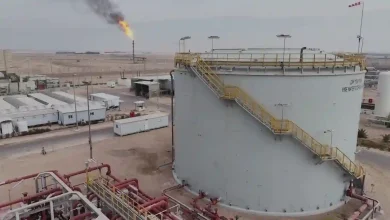
The Strait of Hormuz remains the ultimate prize and the primary lever of power in this conflict. As a narrow choke point through which approximately one-fifth of the world’s petroleum passes daily, any shift in its security architecture has immediate, far-reaching global consequences. The ongoing crisis in the Strait of Hormuz has forced shipping lines to seek alternate routes or pay exorbitant insurance premiums, disrupting global maritime logistics.
Historically, the United States Navy has acted as the ultimate guarantor of free navigation in these waters. If the Omani-brokered deal is signed, this security paradigm would shift significantly. Giving Tehran formal authority to monitor, regulate, or inspect commercial vessels would fundamentally change the balance of power in the Gulf, effectively granting Iran a permanent geopolitical veto over the global oil supply.
Domestic Politics and the Unpopular Campaign
Within the United States, public tolerance for the conflict is rapidly deteriorating. Having campaigned on a platform of ending “endless wars,” President Trump is highly sensitive to the political fallout of a prolonged military campaign. The initial enthusiasm that accompanied the first precision strikes has given way to growing public skepticism as casualty lists grow and military expenditures climb.
Furthermore, many military experts argue that Iran’s military escalation has reached a level of sophistication that prevents a swift tactical victory. Through the widespread use of anti-ship ballistic missiles, swarm drone tactics, and smart mines, Tehran has demonstrated an ability to inflict steady, painful costs on U.S. assets and coalition forces without engaging in a direct, conventional confrontation.
Economic Fallout and Global Market Pressures
The domestic political danger is magnified by the war’s severe economic consequences. At home, consumers have watched as gasoline prices climb above $4 per gallon, triggering deep economic anxiety and contributing to rising inflation. High energy prices have historically played a decisive role in domestic elections, and the White House is acutely aware that a prolonged energy shock could severely damage its political standing.
In addition to fuel costs, the disruption of key trade corridors has added to global supply chain challenges. Maritime shipping companies have been forced to re-route container ships around the Cape of Good Hope, adding weeks to transit times and dramatically raising freight rates. This economic drag has caused growing frustration among European and Asian allies who rely heavily on Middle Eastern energy imports.
Escalation Risks and the Military Reality
For administration hardliners, the proposed diplomatic compromises are unacceptable. They argue that accepting the Oman deal would represent a historic capitulation that would embolden Iran and its regional proxies. Instead, they advocate for a dramatic expansion of military operations designed to systematically destroy Iran’s naval capabilities and command structure. Furthermore, as Trump’s massive attack threat looms over Iran, domestic dissent has hardened.
However, a major military escalation carries immense risks. Defense analysts warn that a full-scale campaign to neutralize Iran’s defensive networks would require hundreds of thousands of troops, years of sustained operations, and trillions of dollars. It would also increase the risk of a wider regional conflict that could draw in other global powers, transforming a localized crisis into a major international conflagration.
Some critics argue that Iran rejects peace talks of any substance until all unilateral sanctions are permanently repealed. This dynamic makes a diplomatic breakthrough highly difficult, leaving the administration caught in a dangerous cycle of escalation and counter-escalation.
Comparing the Paths Forward: Diplomacy vs. Escalation
To better understand the strategic choices facing the administration, the following table outlines the key elements, risks, and potential outcomes of the two primary policy paths currently being debated in Washington.
| Strategic Option | Primary Objectives | Key Risks & Challenges | Expected Impact on Strait of Hormuz |
|---|---|---|---|
| Oman-Brokered Interim Deal | Immediate ceasefire, maritime stabilization, and reduction in energy market volatility. | Grants Iran unprecedented oversight; criticized as domestic and international capitulation. | Joint oversight established; reduced risk of physical blockade. |
| Sharp Military Escalation | Restoring deterrence, degrading IRGC naval capabilities, and forcing total compliance. | Prolonged conflict, high military casualties, and severe global economic disruption. | High risk of temporary complete closure; asymmetric naval warfare. |
This comparison highlights the difficult trade-offs the administration must navigate. Every available path carries significant strategic costs, meaning any final decision will require a careful balancing of competing military, economic, and political priorities.
Congressional Reaction and the Constitutional Debate
As the conflict drags into its sixth month, congressional opposition has steadily increased. Lawmakers from both major parties are raising serious questions about the strategic objectives of the campaign and the constitutional authority under which it is being conducted. The absence of a formal declaration of war or a specific Authorization for Use of Military Force (AUMF) has sparked intense debates on Capitol Hill.
Members of the Senate Foreign Relations Committee have demanded greater transparency regarding the administration’s long-term strategy. Some lawmakers are moving to restrict funding for offensive operations, arguing that the executive branch has exceeded its authority under the War Powers Resolution. This growing congressional pushback limits the President’s operational flexibility and increases the political cost of any decision to escalate the conflict.
The Geopolitical Realities of the Gulf Region
Ultimately, the outcome of this crisis will be determined by the complex geopolitical realities of the Persian Gulf. Regional partners like Saudi Arabia and the United Arab Emirates find themselves in an increasingly delicate position. While they remain deeply concerned about Iran’s regional influence, they are also highly vulnerable to retaliatory strikes on their own critical infrastructure, making them cautious about endorsing a major U.S. military escalation.
Even though Iranian diplomacy denies any intention of holding the global economy hostage, the physical reality of their military posture in the Gulf speaks otherwise. This complex security environment leaves Washington with few easy options. The administration must balance the need to reassure its regional partners with the urgent necessity of avoiding a costly, open-ended conflict that could drain American resources for years to come.
Strategic Conclusions for U.S. Foreign Policy
The ongoing dilemma in the Persian Gulf offers critical lessons for modern American foreign policy. It demonstrates the limits of economic and military coercion when facing an adversary willing and able to employ highly effective asymmetric warfare. In an interconnected global economy, the costs of maintaining a prolonged military campaign in vital maritime corridors can quickly eclipse the initial strategic benefits.
As the diplomatic clock ticks down, the administration must decide whether to accept the imperfect compromises of the Oman-brokered deal or risk the unpredictable consequences of further escalation. The choice made in the coming weeks will shape the security architecture of the Middle East and the trajectory of U.S. foreign policy for years to come.