Trump’s massive attack threat looms over Iran as Pakistan seeks peace talks
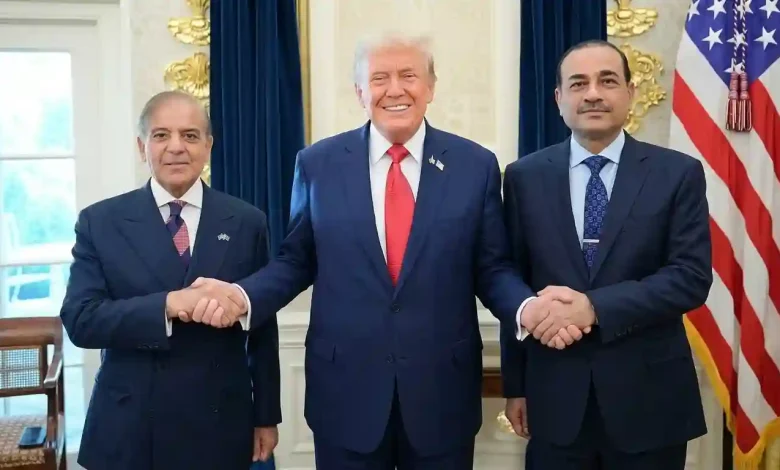
Table of Contents
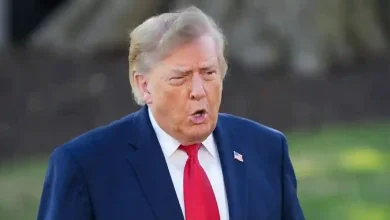
Trump’s massive attack threat against Iran has pushed the Middle East to the precipice of a broader regional war, even as backchannel diplomatic maneuvers emerge to seek an off-ramp. In a recent exclusive interview with Axios, President Donald Trump revealed he is actively mulling a “massive attack” on Iran that would surpass previous military engagements in scale. While Trump emphasized that he is “close” to making a final decision and that the United States is “all set for it,” he declined to establish a concrete deadline, keeping both allies and adversaries in suspense. This dramatic escalation comes amidst a month-long direct confrontation between Washington and Tehran, marked by near-daily military exchanges and severe economic disruptions. As the Strait of Hormuz conflict continues to choke global trade and threaten international energy security, the stakes could not be higher.
Trump: Geopolitical Brinkmanship in the Middle East
The current confrontation is the most severe direct clash between the United States and Iran in decades. The escalating tension highlights the intensity compared to when the initial US military strikes on Iran first began to dominate global headlines. Rather than achieving deterrence, each wave of strikes has met with retaliatory actions from Iran and its proxy networks across the region, creating a dangerous escalatory loop. Analysts warn that the lack of clear communication channels between Washington and Tehran exacerbates the risk of miscalculation, potentially dragging the entire region into an open-ended war.
Trump: Understanding Trump’s “Massive Attack” Rhetoric
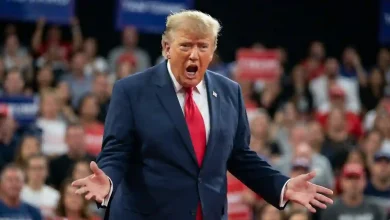
Trump’s recent statements represent a significant escalation in policy rhetoric. By threatening an operation “bigger than ever before,” the U.S. administration is signaling that tactical, localized engagements may soon give way to strategic, wide-scale bombardment. These remarks were delivered just after U.S. Central Command executed its eleventh consecutive night of strikes, highlighting the ongoing combat operations. Trump indicated that Iran has not yet “received enough pain” to force them to the negotiating table on American terms. This “maximum pain” approach is designed to compel Iran to make sweeping concessions regarding its nuclear program and regional influence, though critics argue it may instead harden Tehran’s resolve.
The Axios Interview: Weighing “Consequences”
In his interview with Axios, Trump was candid about the potential fallout of a major offensive. He acknowledged that such an attack would carry heavy geopolitical consequences, but asserted that the U.S. is prepared to act alone if necessary. Trump also claimed that Israel “would join in two minutes if I ask them to,” while simultaneously noting that Israeli participation could lead to direct retaliatory strikes on Tel Aviv by Iranian forces. This complex calculation highlights the delicate diplomatic balancing act the administration must perform to avoid triggering a multi-front war that could embroil key allies.
From Operation Epic Fury to Consecutive Nightly Strikes
The military campaign has evolved dramatically since its inception. The benchmark for current operations is Operation Epic Fury, the joint U.S.-Israeli campaign launched in late February. Since then, the conflict has settled into a grinding war of attrition. With the rising cost of the war placing a heavy burden on Western defense budgets, the geopolitical landscape remains highly volatile. The proposed operation, described by Trump as ‘bigger than ever before,’ signals a shift from tactical deterrence to massive airstrikes aimed at degrading major military infrastructure. Tehran’s reactions have been sharp, pointing to the civilian casualties and infrastructural damage resulting from escalating airstrikes in the region. The campaign has already seen key port strikes targeting logistics hubs along the coast.
Pakistan’s Backchannel Diplomacy and the Beijing Connection
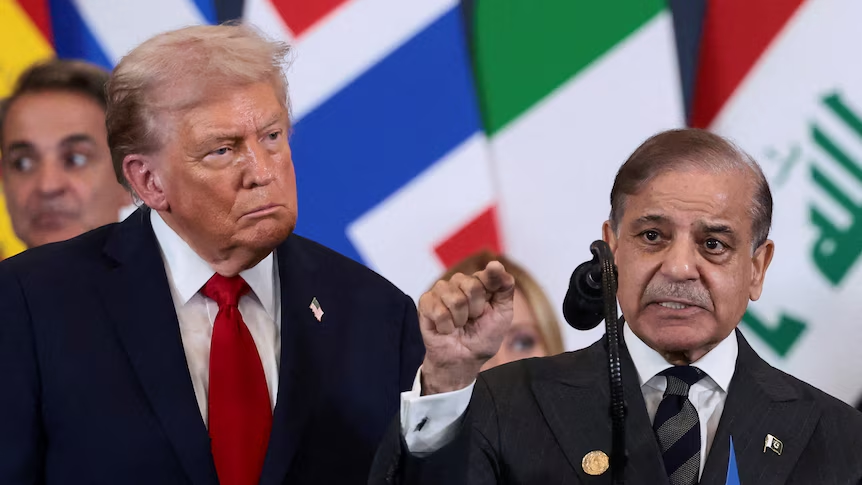
While Washington prepares for potential military escalation, Islamabad is actively working to defuse the crisis. According to a report published by Reuters, Pakistani officials are quietly engaging both American and Iranian counterparts in an effort to restart stalled peace talks. This diplomatic initiative has received strong, behind-the-scenes encouragement from China, Iran’s largest trading partner and a key strategic ally of Pakistan. Beijing has a vested interest in keeping Middle Eastern shipping lanes open, as its economy is heavily dependent on imported oil from the Persian Gulf. By utilizing Pakistan as a neutral mediator, China hopes to facilitate an off-ramp that preserves regional stability without initiating a direct diplomatic confrontation with the United States.
General Munir and Interior Minister Momeni’s Key Discussions
The diplomatic push has been characterized by high-level, rapid-fire consultations. Iranian Interior Minister Eskandar Momeni recently concluded his second visit to Islamabad in just ten days. During his visit, Momeni held extensive exploratory discussions with key Pakistani leadership, including Army Chief General Asim Munir. These talks focused on border security, regional stability, and potential frameworks for a phased ceasefire. While Iranian leadership has publicly remained defiant, these intensive bilateral discussions suggest that Tehran may be looking for a face-saving diplomatic exit, provided the United States is willing to ease some of its military and economic pressure.
Global markets have reacted with intense sensitivity to the dual narratives of military escalation and backchannel diplomacy. Following Houthi drone and missile strikes on two Saudi Arabian oil tankers in the Bab el-Mandeb Strait, Brent crude oil prices briefly surged past the symbolic threshold of $100 per barrel. However, as news of Pakistan’s mediation efforts spread, investors grew hopeful that the warring powers could find an off-ramp. Consequently, oil prices fell sharply, with Brent futures dropping over $4 to settle at just above $96 per barrel, while major stock indices on Wall Street posted solid gains. Traders are closely monitoring the situation, balancing the immediate threat of supply disruptions against the long-term potential for a diplomatic breakthrough.
To better understand the diverging paths of the key stakeholders in this conflict, the following table outlines the current strategic postures and objectives of the primary actors involved:
| Actor | Current Position / Action | Key Objectives | Diplomatic or Military Stance |
|---|---|---|---|
| United States | Engaged in nightly military strikes while Trump considers a massive offensive. | Deter Iranian and Houthi threats to commercial shipping. | Highly confrontational, combining strategic pressure with open-ended threats. |
| Iran | Rejecting current ceasefire offers but indicating a desire to negotiate eventually. | Lifting economic blockades and securing regional deterrence. | Active defensive escalation and retaliatory posturing. |
| Pakistan | Facilitating backchannel peace talks between Washington and Tehran. | Averting a wider regional war; stabilizing border regions. | Mediator, backed by Chinese diplomatic encouragement. |
| Global Markets | Experiencing price corrections in crude oil; stocks trending upward. | Price stability and risk mitigation. | Cautiously optimistic, betting on diplomatic off-ramps. |
Regional Escalation Risks: Israel, Houthis, and the Strait of Hormuz
The threat of a massive U.S. strike has sent shockwaves through the complex network of regional alliances. A primary concern is the potential involvement of Israel. While Israel has remained officially on the sidelines of the current air campaign, any direct Israeli involvement would almost certainly trigger a swift and severe round of Iranian retaliation in the Persian Gulf. Additionally, the Yemen-based Houthi rebels have demonstrated their capacity to expand the conflict by targeting Saudi shipping in the Red Sea. Trump has warned that the United States will hold Tehran directly accountable for any further Houthi attacks, creating a fragile tripwire that could ignite a wider conflagration at any moment.
Strategic Outlook: Ceasefire Hopes vs. Military Realities
The coming weeks will be critical in determining whether the U.S. and Iran can find a peaceful off-ramp or if they are headed toward an unprecedented military clash. While Trump’s rhetoric is undoubtedly designed to maximize leverage ahead of potential talks, the sheer volume of military assets deployed in the region makes the situation highly explosive. Pakistan’s mediation efforts, supported by China, represent the most viable diplomatic path currently available. However, for these talks to succeed, both Washington and Tehran must be willing to compromise on core issues—a prospect that remains uncertain as long as military strikes continue to light up the night skies. Ultimately, the global community remains on high alert, hoping that diplomacy can triumph over the threat of a devastating war.