U.S. war with Iran: Poll Shows Americans Fear Middle East Chaos 2026
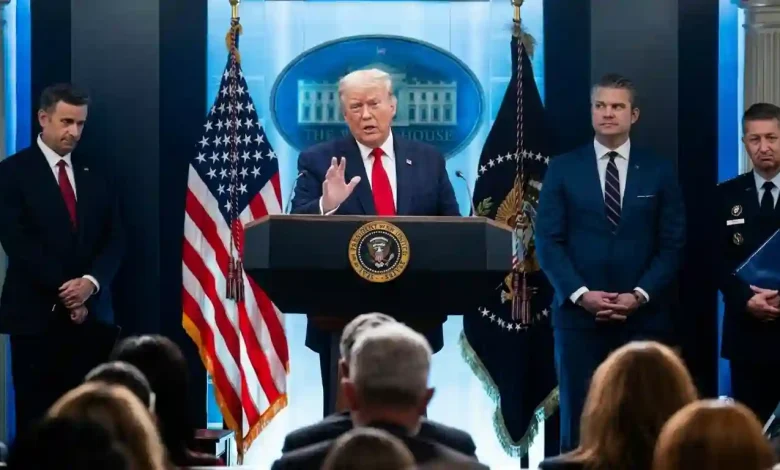
Table of Contents
Introduction
U.S. war with Iran has entered its fifth month, leaving the American public deeply pessimistic about the long-term prospects of stability in the Middle East. What was initially marketed to the public as a swift, decisive campaign to neutralize regional threats has instead evolved into a grinding war of attrition. The conflict, which began in early 2026, has profoundly reshaped global geopolitical alliances and forced everyday Americans to confront the harsh domestic realities of an open-ended military engagement. As the initial enthusiasm fades, the national consensus has shifted dramatically, with a substantial majority of the populace expressing deep anxiety over where this escalation will lead.
This domestic unease is laid bare in the latest public opinion data, which highlights a massive gap between the official rhetoric coming out of the White House and the lived expectations of the American electorate. As military operations drag on, the narrative of a quick victory is being replaced by fears of regional fragmentation, economic fallout, and structural instability. At the center of this controversy is Trump’s war in Iran, a high-stakes campaign that has tested the limits of American power, domestic resilience, and diplomatic relationships worldwide.
The Reuters/Ipsos Poll: A Mandate of Skepticism
A newly released six-day poll, which concluded on Monday, reveals that public skepticism toward the war has reached an all-time high. According to the data compiled by Ipsos Public Affairs, Americans who expect the Middle East to slide toward total chaos outnumber those who see the war bringing more stability by a stunning three-to-one margin. Fifty percent of respondents explicitly stated that they believe U.S. military action in Iran will further destabilize the Middle East over the next year. Conversely, only 17 percent of those surveyed believe that the conflict will yield greater regional stability.
The remaining segment of the population is split, with 16 percent expecting stability to remain relatively unchanged, and 17 percent declaring themselves unsure. This pervasive pessimism represents a major challenge for the current administration, which has consistently argued that neutralizing Tehran’s capabilities is the only viable pathway to long-term security in the region. The findings indicate that the “rally around the flag” effect, which often accompanies the initiation of military hostilities, has largely dissipated, leaving behind a highly critical and weary electorate.
The Reality of the Strait of Hormuz and Global Trade
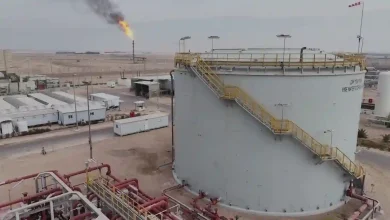
One of the primary drivers of this widespread pessimism is the escalating shipping crisis in the Persian Gulf, particularly regarding the Strait of Hormuz crisis. As a vital artery for global energy, any disruption in the Strait immediately translates into severe economic pain globally. Iran’s tactical response to U.S. strikes has focused on asymmetric warfare, utilizing low-cost drones, sea mines, and anti-ship missiles to choke commercial traffic navigating these narrow waters.
This blockade has crippled global logistics and caused massive supply chain blockages, sparking fears of a broader global recession. The inability of the U.S. Navy and its coalition partners to completely secure the trade lanes has underscored the limits of conventional military superiority. For the American consumer, the maritime standoff is not an abstract foreign policy debate; it is a tangible problem that directly influences domestic inflation, logistics costs, and product availability, further fueling the belief that the war is leading to unchecked chaos.
Trump’s Strategic Shifts and the Promise of Swift Victory
The strategic direction of the conflict has been highly unpredictable, characterized by sudden escalations followed by sudden rhetorical retreats. This volatility was on full display as President Donald Trump once again backed away from threatened massive strikes on Iran, choosing instead to emphasize potential diplomatic avenues. This oscillating policy has confused allies and adversaries alike, casting doubt on whether the administration possesses a cohesive, long-term endgame.
In the early weeks of the campaign, administration officials promised a quick, high-intensity intervention that would force Tehran to the negotiating table. However, as the conflict enters its second half-year, these promises of a swift outcome have fallen flat. The shift from aggressive posture to tactical restraint reflects the complex military realities on the ground, where any major attack on Iranian soil risks triggering a full-scale regional conflagration. This policy uncertainty has deepened the domestic perception that the war lacks clear, attainable strategic goals.
The Soaring Economic Costs and Fuel Demands
Beyond the strategic debate, the financial burden of the war has begun to hit the American taxpayer hard. Economic data shows U.S. economic shockwaves rippling across multiple sectors, characterized by a sharp rise in energy prices and a volatile stock market. Gasoline prices have climbed past the critical $4-per-gallon mark nationwide, marking their highest level in over three years, which heavily impacts low- and middle-income households.
The poll reveals that 58 percent of Americans expect gasoline prices to continue to worsen over the next year, while only 15 percent expect any form of improvement. This economic pain is compounded by the soaring war costs, which have ballooned to tens of billions of dollars. With the federal budget already strained and interest rates remaining elevated, the financial cost of sustaining long-range naval deployments and daily air operations is forcing difficult trade-offs, making the conflict increasingly unpopular on domestic fronts.
Data Table: Public Perceptions vs. Economic Realities
To understand the scope of public concern, the table below illustrates the stark contrast between current poll statistics and economic indicators:
| Metric / Indicator | Current Value / Public Percentage | Primary Public Sentiment |
|---|---|---|
| Expect Middle East Chaos | 50% | Extremely High Concern / Destabilization Expected |
| Expect Middle East Stability | 17% | Deep Skepticism toward Administration Claims |
| Gasoline Price Outlook (Worse) | 58% | Anticipating Severe Inflationary Pressure |
| Gasoline Price Outlook (Improve) | 15% | Minimal Faith in Short-term Economic Relief |
| Overall War Approval Rating | 35% | Widespread Dissatisfaction with Strategic Direction |
The Chronology of Escalation and Day-by-Day Combat
The military execution of this war has been marked by intense cycles of strike and counter-strike. Observers tracking the day-by-day progression have witnessed a shift from localized skirmishes to broad regional theater operations. Significant milestones such as the developments on day 153 showed how deeply entrenched both militaries have become, with neither side willing to back down first.
As the war transitioned into the next phase, the situation on day 154 underscored the persistent nature of Iranian air defenses and asymmetric counter-offensives. Iran has managed to sustain its missile stockpiles despite relentless precision bombing campaigns by coalition forces. This resilience has prevented the coalition from establishing absolute air supremacy, turning the campaign into a protracted struggle that tests the physical limits of American military logistics and personnel endurance.
Domestic Political Fallout and the Upcoming Midterms
The timing of this military stalemate is particularly dangerous for the ruling party in Washington. With the critical midterm congressional elections approaching in November, the growing unpopularity of the war has created severe political vulnerability. Democrats have capitalized on the rising discontent, seizing on the administration’s failure to deliver the promised rapid victory to appeal to war-weary independent voters.
Even among the President’s core supporters, cracks are beginning to show. While overall Republican approval of the administration’s performance remains high, fewer than half of Republicans surveyed—just 41 percent—actually believe that the war will result in a more stable Middle East. As the administration delivers its latest last-chance ultimatum to Tehran, the domestic political landscape remains fragile, with voters increasingly prioritizing economic survival and global stability over open-ended foreign entanglements.
Broader International Implications and the Great Power Struggle
The conflict does not occur in a vacuum; it has profound implications for other global conflicts. Major adversaries like Russia and China have closely monitored the situation, taking advantage of the distraction to advance their own strategic interests. In Ukraine, the ongoing Russian offensive has received indirect relief as Western military aid and strategic focus are diverted to the Middle East theater.
Furthermore, the conflict has polarized the international community, straining relationships with traditional European allies who favor a diplomatic approach to Tehran over military coercion. The risk of the war spilling over into a wider global conflict is a major concern, as regional proxy networks in Lebanon, Yemen, and Iraq continue to target U.S. assets. This web of alliances means that a tactical misstep in the Persian Gulf could easily trigger an international crisis, compounding the public’s fear of a world sliding toward unmanageable chaos.
Looking Ahead: The Fragile Path Forward
Ultimately, the current state of public opinion reflects a profound exhaustion with “forever wars” and a realistic assessment of the complexities of the Middle East. The three-to-one margin of those expecting chaos over stability serves as a stark warning to policymakers that military force alone cannot easily resolve deep-seated historical and geopolitical conflicts.
As the conflict enters its sixth month, the administration faces a critical crossroad. It must either find a viable diplomatic exit ramp that preserves regional security or risk dragging the nation deeper into an economically ruinous and politically toxic war. The coming months will determine whether the administration can salvage its foreign policy agenda or if the public’s dark predictions of regional chaos will become a self-fulfilling prophecy.