Iran: US Stuck and Struggling in Five-Month Conflict 2026
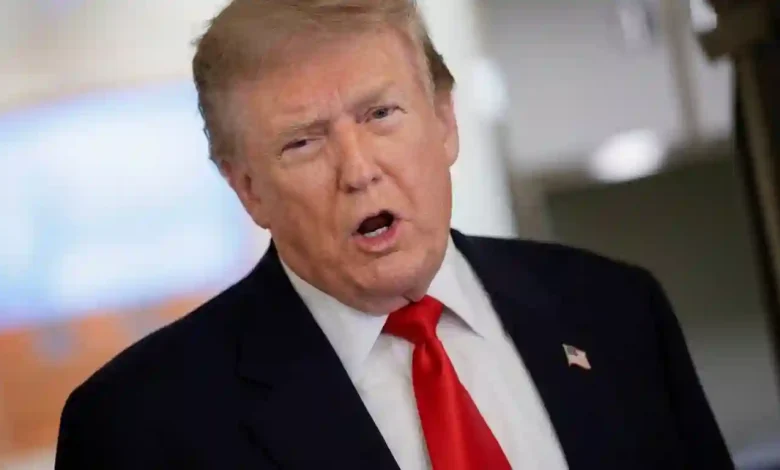
Table of Contents
Iran has officially declared that the United States is currently “stuck and struggling” after five months of an unprovoked war that Tehran argues was initiated under the heavy, direct influence of Israel. According to high-ranking Iranian diplomatic sources, Washington will “inevitably pay the price” for its prolonged military campaign in the region. This sharp rhetorical escalation arrives at a highly sensitive moment, just as a fragile operational lull settles over the Middle East. After nearly two weeks of relentless, heavy bombing campaigns that shook regional power centers, the United States has continued to hold its fire against Iranian targets. This temporary American cessation has prompted Tehran to reciprocate, resulting in a suspension of its own retaliatory strikes throughout the Middle East. Analysts watch with bated breath to see if this pause is merely a tactical breathing space or the beginning of a deeper, mediated diplomatic channel to prevent a total regional catastrophe. Understanding how the 2026 iran war how regional conflict redefined global alliances is essential for deciphering the current impasse.
The Current Standoff: Stuck and Struggling
The contemporary geopolitical landscape of the Middle East is characterized by an incredibly tense and delicate equilibrium. Following months of intensive airstrikes, naval encounters, and proxy exchanges, the sudden holding of fire by the United States military has introduced a dramatic shift in the conflict’s momentum. Iran’s Ministry of Foreign Affairs, through its primary spokesman Esmaeil Baghaei, has characterized this moment not as an act of strategic restraint by the United States, but as a symptom of deep-seated exhaustion and political paralysis. Baghaei asserted that Washington’s current military posture demonstrates that they are deeply entangled in a conflict of their own making, unable to secure a decisive victory and increasingly vulnerable to asymmetric retaliation.
Tehran’s perspective is that the Pentagon miscalculated the resilience of Iran’s defensive networks and the depth of its regional alliances. By choosing to target sovereign Iranian assets, the United States entered a complex, multi-front war that has strained Western coalition resources. The current pause in active combat operations is being framed by Iranian media as a victory for the Islamic Republic’s deterrence strategy. However, Western military strategists maintain that the pause is a deliberate, calculated measure designed to allow Allied forces to reassess their logistical baselines, replenish precision-guided munitions, and minimize civilian collateral damage in highly contested zones.
The Origin of Tehran’s Rhetoric
To fully comprehend the weight of Esmaeil Baghaei’s recent pronouncements, one must examine the specific language utilized during his weekly press briefings in Tehran. By describing the United States as “stuck and struggling,” the Iranian foreign ministry is deliberately targeting the domestic political vulnerabilities of the current American administration. Tehran argues that Washington initially anticipated a rapid collapse of the Iranian political structure within days of the outbreak of hostilities. Instead, five months of intensive conflict have only solidified the resolve of the clerical establishment and mobilized the country’s defense apparatus.
Furthermore, Baghaei emphasized that Iran has never allowed, and will never allow, external Western powers to dictate the terms of war or peace in the Persian Gulf. This assertion is critical as the strait of hormuz conflict escalates as hegseth and other prominent military leaders seek to balance the preservation of international shipping routes with the containment of Iranian naval capabilities. The rhetoric from Tehran serves a dual purpose: it aims to reassure regional proxy forces of Iran’s unwavering position while signaling to the global community that any future dialogue must occur on equal footing, without the threat of military coercion.
The Role of Israeli Influence in the Conflict
At the core of Iran’s official narrative is the accusation that the United States is fighting a war of choice dictated by the strategic interests of Israel. Tehran has consistently argued that Washington’s military engagements across the Levant, Iraq, and Yemen are not designed to protect American national security, but are instead intended to guarantee the regional hegemony of the Israeli state. Iranian diplomats argue that the decision to launch intensive bombing campaigns was pushed heavily by Zionist lobbyists and Israeli defense planners who sought to draw the United States into a direct, destructive confrontation with Tehran.
This perception of external influence has deeply colored Iran’s diplomatic stance. By framing the conflict as an American-implemented, Israeli-conceived campaign, Tehran seeks to delegitimize the coalition’s presence in the Middle East. It also allows Iran to build broader diplomatic consensus with non-aligned nations who are historically skeptical of Western interventionism. The Iranian leadership warns that by aligning so closely with Israel’s military goals, the United States has compromised its own long-term security architecture in the region and will inevitably pay a heavy strategic and economic price.
Five Months of Escalating Warfare
The road to this fragile pause has been marked by extreme violence and unprecedented military costs. For nearly 150 days, the Middle East has been subjected to some of the most intensive aerial bombardments seen in modern warfare. The conflict escalated rapidly when us bombs iran for 11th night as war cost hits astronomical numbers, draining Western defense budgets and triggering widespread concern over military sustainability. Night after night, stealth bombers and cruise missiles targeted command-and-control centers, underground missile silos, and key logistics hubs throughout Iranian territory.
In response to these relentless attacks, Iran leveraged its sophisticated ballistic missile arsenal and extensive drone networks, striking back at coalition bases and critical maritime infrastructure. Each successive wave of strikes threatened to drag neighboring Gulf states into the conflagration. Even as trumps massive attack threat looms over iran, the Iranian military demonstrated an unexpected capacity to absorb punishment while maintaining its offensive posture, creating a bloody stalemate that neither side could easily break without risking a global war.
The Tactical Pause and Holding Fire
The current operational lull represents a crucial turning point in the conflict. For the first time in weeks, the skies over Tehran, Isfahan, and Shiraz have been free from the drone of coalition aircraft and the thunder of air defense interceptions. This pause occurred after the u.s. airstrikes against iran enter 13th night of continuous, high-intensity bombardment, which had pushed the region to the absolute brink of total structural collapse. The decision by the United States to hold fire was not accompanied by any formal declaration of a ceasefire, leading to intense speculation regarding the underlying motivations of the White House.
Military analysts suggest that the holding of fire is a dual-purpose strategy. On one hand, it offers a window for backchannel diplomacy, facilitated by neutral regional actors such as Oman and Pakistan, to negotiate a de-escalation framework. On the other hand, it allows coalition forces to conduct vital battle damage assessments and reorganize their naval assets in the Arabian Sea and the Persian Gulf. Regardless of the intent, the halt has provided a desperate reprieve for the civilian populations who have borne the brunt of the geopolitical conflict.
| Strategic Dimension | United States & Coalition Position | Iran & Regional Resistance Position |
|---|---|---|
| Operational Status | Holding fire; conducting strategic reassessment and logistics replenishment. | Halted retaliatory strikes; maintaining maximum defensive readiness. |
| Primary Narrative | Deterring regional aggression, securing maritime routes, and containing nuclear ambitions. | Accusing the US of fighting an unprovoked war driven by Israeli influence. |
| Economic Stance | Managing volatile oil markets and addressing mounting domestic defense expenditures. | Leveraging energy diplomacy to pressure Western economies amid heavy sanctions. |
| Diplomatic Output | Rejecting formal pre-conditions while participating in indirect mediation via Oman. | Refusing to formally request talks while demanding a permanent cessation of hostilities. |
Cessation of Retaliatory Strikes
In direct response to the American pause, Tehran has ordered its armed forces and regional proxy groups to temporarily suspend all retaliatory operations. This move has brought a sudden, quiet peace to areas that had been under constant threat of missile and drone attacks. Prior to this decision, the u.s. iran conflict escalates after 13th night of combat had seen unprecedented strikes against coalition logistical hubs, showing that the cycle of violence was rapidly spinning out of control. The decision to halt these strikes indicates that Iran’s leadership is willing to engage in a reciprocal reduction of hostilities, provided the United States does not resume its offensive campaigns.
However, this suspension is highly conditional and extraordinarily fragile. The Islamic Revolutionary Guard Corps (IRGC) has made it clear that their fingers remain on the trigger. Any perceived provocation, unauthorized naval transit, or localized airstrike by coalition forces could instantly reignite the conflict. The pause is viewed by Tehran not as a sign of weakness, but as a demonstration of disciplined control over its regional security apparatus, proving that it can scale hostilities up or down at will to achieve its political objectives.
US Ammunition and Military Readiness
As the conflict dragged into its fifth month, persistent reports began to surface in Western media indicating that the United States military was facing significant logistics bottlenecks and a rapid depletion of critical ammunition stockpiles. Critics of the administration argued that the sheer intensity of the air campaign against Iran, combined with ongoing security commitments in Eastern Europe and East Asia, had severely strained the American defense industrial base’s capacity to produce precision-guided munitions, air defense interceptors, and Tomahawk cruise missiles.
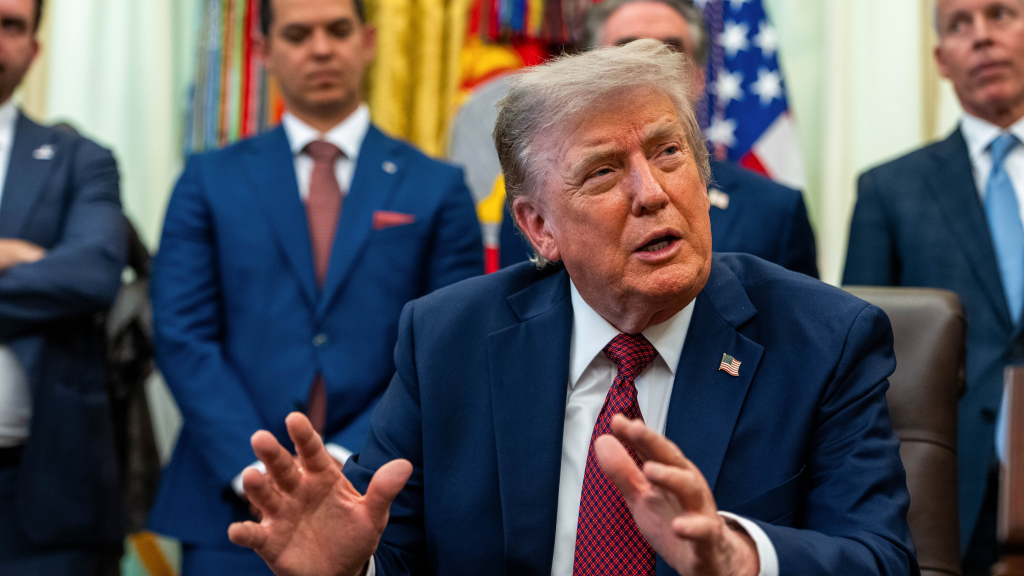
In response to these growing concerns, U.S. President Donald Trump strongly dismissed any claims of military vulnerability. Speaking to domestic reporters, Trump emphasized that American stockpiles are vast, resilient, and fully capable of sustaining prolonged high-intensity operations across multiple theaters. He characterized the media reports as enemy propaganda designed to project weakness. Nevertheless, independent defense analysts point out that the rate of munition consumption in the opening weeks of the air campaign was historically unprecedented, necessitating a strategic pause to ensure that global contingency stockpiles were not dangerously depleted.
Economic Repercussions and Energy Markets
The geopolitical instability in the Persian Gulf has sent shockwaves through the global financial system, with the energy sector experiencing the most severe disruption. As the conflict escalated, the threat of a permanent closure of the Strait of Hormuz—the world’s most critical oil transit chokepoint—became a stark reality. Investors panicked, leading to a situation where u.s. economic shockwaves oil hits 100 dollars per barrel, driving up inflation and threatening to derail the post-pandemic global economic recovery.
Iran’s leadership has been quick to exploit this economic vulnerability. Foreign Ministry Spokesman Esmaeil Baghaei noted that the United States consistently shows a willingness to return to the negotiating table whenever global energy prices surge to politically damaging levels. Tehran views the global energy market as a powerful asymmetric lever, understanding that prolonged high oil prices place immense domestic pressure on Western political leaders. The current pause in fighting has temporarily eased these market anxieties, leading to a slight correction in crude prices, but the underlying threat of a catastrophic supply disruption remains as long as a permanent peace agreement is not reached.
Diplomatic Channels and the Future Outlook
While the guns have temporarily fallen silent, the diplomatic arena is busier than ever. Behind the scenes, intensive backchannel negotiations are taking place to transform this temporary holding of fire into a sustainable diplomatic framework. Countries like Oman, long recognized for their role as regional mediators, are actively facilitating the exchange of messages between Washington and Tehran. Additionally, mediation efforts by regional heavyweights like Pakistan have played a crucial role in preventing further escalation and cooling down the highly volatile environment.
However, the path forward is fraught with immense obstacles. Iran insists that it has not formally requested a resumption of direct talks with the United States, maintaining that Washington must first acknowledge its strategic mistakes and provide concrete guarantees against future unilateral aggression. On the other hand, the United States demands that Iran permanently cease its enrichment of nuclear materials and dismantle its regional proxy network before any formal sanctions relief can be discussed. As the airstrikes against iran paused as us weighs its next geopolitical moves, the world watches to see if diplomacy can triumph over the deep-seated animosities that have fueled five months of devastating conflict.