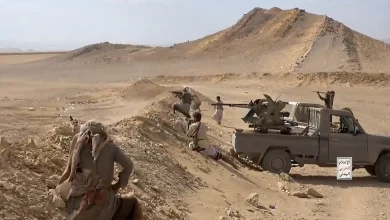
Iran war enter day 149: Strait of Hormuz crisis and updates
Table of Contents
Iran war developments have entered an incredibly volatile phase as the conflict marks approximately its 149th day of active engagement. What began as a localized geopolitical dispute has metastasized into a sprawling confrontation involving cutting-edge missile systems, intensive drone warfare, and dangerous maritime standoffs. Over the past twenty-four hours, military commanders on both sides have reported major structural strikes targeting drone infrastructure and air defense arrays. With neither party showing signs of capitulation, regional powers and global coalitions are bracing for the long-term socioeconomic and military fallout of a prolonged campaign in the heart of the Middle East.
Transitioning From Day 148: Escalation of Strategic Tensions
The progression of this conflict into its 149th day follows an intense series of events that brought the global economy to the brink of panic. The preceding hours were marked by the critical Iran war day 148 Strait of Hormuz crisis, during which naval interceptors and drone swarms clashed in the vital shipping lanes of the Persian Gulf. This maritime confrontation highlighted the systemic vulnerability of global energy shipping corridors, prompting commercial shippers to temporarily reroute vessels around the Cape of Good Hope.
As Day 149 dawns, military analysts indicate that the tactical focus is shifting from pure maritime denial to deep-theater degradation of missile launcher sites and coastal defense batteries. Iran has leveraged its extensive underground missile silos, utilizing asymmetric warfare tactics to threaten retaliatory strikes against any regional actor assisting western coalitions. In response, coalition forces have repositioned carrier strike groups and land-based strike fighters to establish comprehensive surveillance over potential launching grounds.
Military Confrontation and Current Airstrike Landscape
The tactical parameters of the conflict have been defined by persistent, high-intensity aerial campaigns. Recent reports from the theater of operations detail continuous fighting between the United States and Iran, as tactical bombers, unmanned combat aerial vehicles (UCAVs), and ballistic missiles are deployed by both factions. Iran’s indigenous defense network, particularly its short-range ballistic missiles (SRBMs) and precision-guided loitering munitions, has tested coalition air defense networks, forcing a rapid expenditure of interceptor missiles like the Patriot and SM-6 platforms.
This relentless cycle of kinetic action has, however, seen brief operational pauses designed to allow forces to reconstitute. Observers have closely monitored the temporary windows where airstrikes against Iran paused to assess battle damage and adjust defensive posturing. These operational pauses are rarely indicative of a cessation of hostilities; rather, they represent calculated breathers during which military intelligence agencies analyze satellite imagery to confirm the destruction of radar hubs, command bunkers, and drone assembly plants before initiating the next wave of precision bombardments.
The Strait of Hormuz Chokepoint and Economic Fallout
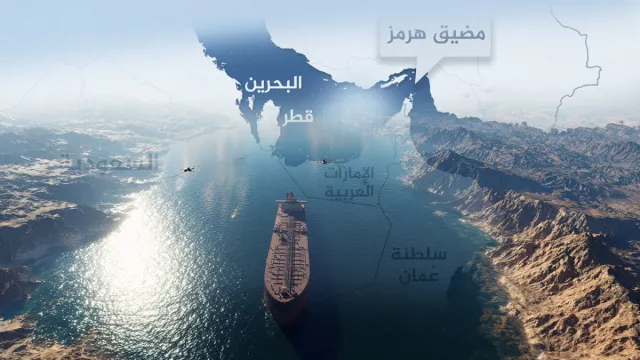
At the center of this geopolitical storm lies the Strait of Hormuz, a narrow maritime gateway through which roughly one-fifth of the world’s petroleum liquids pass daily. The ongoing military actions inside this corridor have created unprecedented volatility in global commodities markets. Traders have reacted with severe anxiety to reports of sea-mine deployments, fast-attack craft interceptions, and commercial vessel harassments, sparking massive U.S. economic shockwaves and oil hits $100 per barrel in major trading hubs.
This surge in energy prices threatens to undo years of delicate macroeconomic stabilization. High oil prices directly translate into increased shipping costs, industrial manufacturing overhead, and refined fuel prices, which in turn drive consumer inflation indexes upward. Central banks globally are monitoring the situation with extreme concern, noting that if the Strait remains highly contested for another thirty days, the resulting supply shock could trigger a persistent global economic slowdown.
Data Analysis: Comparative Economic and Strategic Indicators
To fully grasp the macroeconomic and strategic stakes of this 149-day conflict, it is essential to examine the direct consequences across energy, logistics, and military metrics:
| Strategic Metric | Pre-Conflict Baseline | Current Status (Day 149) | Projected Mid-Term Outlook |
|---|---|---|---|
| Strait of Hormuz Daily Oil Flow | Approx. 20.5 Million Barrels | Reduced to < 8 Million Barrels | Dependent on maritime security escorts |
| Global Brent Crude Oil Price | $74 – $82 per barrel | Peaked at $100+ per barrel | Sustained $105+ if escalation continues |
| Commercial Maritime Insurance Premiums | Standard baseline rates | Increased by 450% – 600% | Risk-exclusion zones may expand |
| Deployment of Coalition Naval Assets | Standard regional presence | Dual Carrier Strike Groups deployed | Sustained presence through Q4 2026 |
Backchannel Diplomacy and Regional Ceasefire Efforts
Despite the highly destructive kinetic campaign, the diplomatic front has not been completely abandoned. Behind the bellicose public pronouncements of military leaders, Swiss, Omani, and Qatari mediators are actively facilitating quiet negotiations. These avenues of backchannel diplomacy are viewed as the most viable mechanism to establish localized pauses in hostilities or initiate discussions on maritime safe zones to protect commercial shipping.
However, finding common ground remains an uphill battle. The fundamental demands of both sides are seemingly irreconcilable. While coalition forces demand the verifiable dismantling of Iran’s advanced drone assembly complexes and a complete cessation of maritime harassment, Tehran demands the immediate withdrawal of foreign naval forces and the lifting of economic sanctions. Consequently, the Washington-Tehran dialogue is described by diplomats as highly fragile, prone to collapsing with every new drone strike or retaliatory missile launch.
The Role of Proxy Alignments and Regional Retaliation
The conflict has also evolved into a broader regional proxy war, drawing in various non-state actors and regional militaries. The Islamic Revolutionary Guard Corps (IRGC) has leveraged its network of allied groups across Iraq, Syria, and Yemen to open secondary fronts, straining the defensive capabilities of regional coalition allies. In a stark escalation of rhetoric, the IRGC threatens UK and other European maritime assets, warning them against participating in joint naval operations in the Persian Gulf.
Furthermore, the southern flank of the conflict remains incredibly volatile. Yemen-based Houthi forces strike critical Saudi energy processing plants and logistics hubs, demonstrating a highly coordinated multi-axis approach designed to overextend the air defenses of neighboring countries. These strikes show that the conflict is no longer confined to the immediate border zones of Iran but is instead a highly complex regional conflagration with the potential to permanently alter the security architecture of the Middle East.
Future Geopolitical Scenarios: Escalation or Stabilized Containment
As the conflict moves past Day 149, three primary scenarios emerge for the coming weeks. The first scenario is one of continued horizontal escalation, where proxy attacks in Lebanon, Yemen, and Iraq draw neighboring countries directly into the fighting. This would likely cause a total closure of the Strait of Hormuz, driving global energy markets into uncharted territory with severe consequences for Western economies.
The second scenario involves a transition to a low-intensity war of attrition. In this model, both sides settle into a pattern of sporadic drone and missile exchanges, utilizing backchannel channels to avoid a total regional war while maintaining domestic political leverage. The third and most optimistic scenario is a negotiated ceasefire brokered by neutral international partners. Under this framework, both sides would agree to mutual concessions, starting with a localized maritime truce in the Persian Gulf and eventually expanding to a comprehensive security treaty. However, given the deep-seated animosities and the strategic goals of both coalitions, achieving such a diplomatic breakthrough will require unprecedented political will from all participating nations.
References
- Strait of Hormuz – Wikipedia
- <a href=”https://www.eia.gov” target=”_blank