Donald Trump’s meeting with Delcy Rodriguez in New York 2026
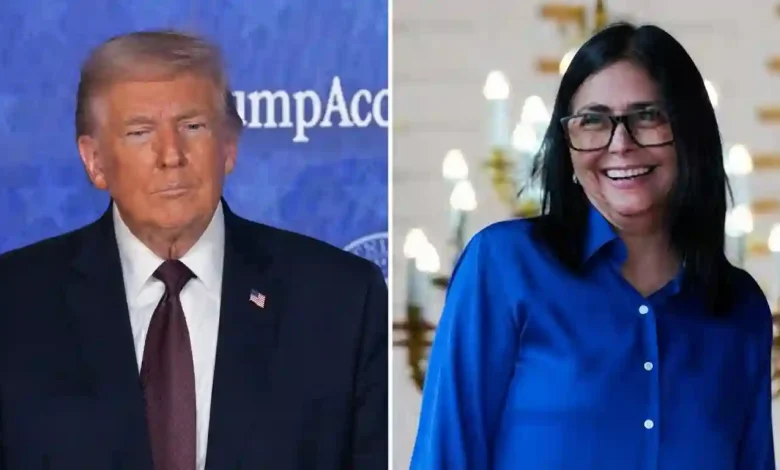
Table of Contents
Donald Trump’s meeting with Delcy Rodriguez in New York on Tuesday represents a foundational transformation in Western Hemisphere geopolitics. This landmark event, disclosed by US Ambassador to the United Nations Mike Waltz during a Friday briefing call, serves as the first face-to-face interaction between the two leaders since the United States officially recognized the removal of former President Nicolas Maduro in January. Held on the sidelines of a reception hosted by the Republican president, this encounter signals a dramatic recalibration of Washington’s strategy toward Caracas, transitioning from absolute isolation to pragmatic engagement.
Introduction to a Historic Diplomatic Pivot
For several years, diplomatic channels between the United States and Venezuela remained virtually frozen, punctuated by aggressive rhetoric and punitive economic measures. However, the political landscape in Caracas underwent an irreversible shift earlier this year when Nicolas Maduro was ousted from power. In the wake of this transition, Delcy Rodriguez, Maduro’s former deputy, assumed the role of interim president, presenting both challenges and opportunities for American foreign policy. While her historical ties to the previous regime initially raised eyebrows in Washington, the necessity of securing regional stability and fostering democratic transitions has forced a reevaluation of diplomatic realities.
As both administrations prepare for the high-stakes meeting in New York, the international community is closely watching how these leaders will navigate a relationship historically defined by mistrust. The upcoming dialogue on the sidelines of the UN-related reception marks the beginning of what could be a long and complex process of normalization, with profound ramifications for regional security, global oil supplies, and the domestic political landscape within Venezuela itself.
The Evolution of US-Venezuela Foreign Policy
To fully comprehend the significance of this upcoming meeting, one must examine the trajectory of American foreign policy toward Venezuela over the past decade. The United States previously engaged in a strategy of maximum pressure, utilizing heavy U.S. economic sanctions to isolate the Maduro administration. This policy aimed to choke off the regime’s financial lifelines, targeting the state-owned oil enterprise, PDVSA, and restricting access to global financial markets. Despite the immense economic hardship these measures caused, they failed to yield an immediate democratic transition, leading to a protracted diplomatic stalemate.
The ousting of Maduro in January changed the equation entirely. Rather than allowing a power vacuum to persist or risking a civil conflict, Washington chose to engage with the interim government led by Rodriguez. This shift demonstrates a pragmatic turn in American diplomacy, recognizing that constructive dialogue with transitional authorities may offer a more viable path toward democratic reforms than continued isolation. By inviting Rodriguez to a reception in New York, the Trump administration is signaling that it is prepared to offer diplomatic legitimacy in exchange for concrete commitments on governance, human rights, and economic openness.
Key Details of the New York Sidelines Summit
According to US Ambassador to the UN Mike Waltz, the meeting will occur during a reception hosted by President Trump. This setting is highly strategic; sideline meetings at major international gatherings like the United Nations General Assembly offer a flexible, less formal environment where leaders can break diplomatic ice without the rigid constraints of official state visits. This relaxed setting allows both parties to test the waters, establishing personal rapport and outlining broad strategic objectives before initiating formal, bilateral negotiations.
The briefing by Ambassador Waltz highlighted that the meeting is intended to address immediate humanitarian concerns, the scheduling of transparent domestic elections, and the framework for potential sanctions relief. Security and diplomatic protocols will be tightly managed, reflecting the sensitive nature of the discussions. For Rodriguez, the meeting is an invaluable opportunity to project leadership on the global stage, proving to domestic skeptics and international observers alike that her interim administration is capable of securing a seat at the table with the world’s most powerful nation.
Comparing the Foreign Policy Approaches
The transition from the Maduro era to the interim presidency of Delcy Rodriguez represents a shift in both internal governance and external alignment. The following table highlights the critical differences in policy postures between the two Venezuelan administrations and how they intersect with US foreign policy objectives:
| Policy Dimension | Maduro Administration Era | Interim Rodriguez Administration |
|---|---|---|
| US Diplomatic Status | Total isolation, mutual hostility, and unrecognized authority | Conditional recognition, pragmatic engagement, and sideline summits |
| Economic Strategy | Heavy state control, expropriation, and systemic hyperinflation | Fractions of liberalization, search for foreign investment, and debt restructuring |
| Sanctions Posture | Resistance to external pressure, seeking workarounds through parallel networks | Negotiation for structured relief in exchange for democratic concessions |
| Geopolitical Alignment | Exclusive reliance on anti-Western alliances (Russia, China, Cuba) | Maintenance of traditional ties while actively opening channels to the West |
Geopolitical Implications and Oil Market Reactivity
One of the most immediate sectors affected by this diplomatic thawing is the global energy market. Venezuela boasts some of the largest proven oil reserves in the world, yet its extraction capabilities have been crippled by years of mismanagement, underinvestment, and severe sanctions. As news of the potential meeting spreads, energy analysts are closely monitoring how a diplomatic breakthrough might influence international supply chains. Recently, global markets have seen fluctuations, causing oil prices slip amid demand uncertainties and shifting geopolitical alignments.
A successful dialogue between Trump and Rodriguez could pave the way for major US energy companies to resume or expand their operations in Venezuela under modified licensing frameworks. This potential influx of Venezuelan crude could alter global supply dynamics, directly aligning with President Trump oil policies aimed at increasing domestic energy security and stabilizing global prices. However, rebuilding Venezuela’s dilapidated infrastructure will require billions of dollars in foreign capital and years of consistent regulatory oversight, meaning any supply increase will likely be gradual rather than immediate.
Sanctions, Economic Reforms, and Diplomatic Leverages
The United States holds significant leverage in these discussions through its extensive sanctions regime. For the interim government in Caracas, securing relief is a matter of economic survival. The Venezuelan population has endured severe economic hardships, driving millions to migrate and straining regional resources. By offering a structured roadmap for sanctions relaxation, Washington hopes to incentivize the interim administration to implement genuine democratic reforms, release political prisoners, and guarantee a level playing field for future electoral processes.
This strategic approach mirrors other complex diplomatic efforts worldwide, where the United States has deployed a sophisticated financial offensive to curb adversarial behavior while keeping the door open for negotiated settlements. For Rodriguez, navigating this terrain requires a delicate balance; she must satisfy Washington’s demands for reform without alienating key domestic power centers, including the military and entrenched political factions that remain skeptical of American influence. Furthermore, the stabilization of Venezuela’s economy could have positive ripple effects across global oil shipping lanes and regional trade corridors, contributing to broader international economic stability.
Regional Reactions and the Path Forward
The announcement of Tuesday’s meeting has elicited a mixed bag of reactions across Latin America and the broader international community. Traditional US allies in the region, such as Colombia and Brazil, have cautiously welcomed the dialogue, recognizing that a stable and economically viable Venezuela is essential for addressing the regional migration crisis. However, some conservative factions in both the US and Latin America remain wary, arguing that engaging with Rodriguez risks legitimizing an administration that still carries the legacy of the Maduro regime.
In the United States, the meeting is likely to face scrutiny from congressional leaders who advocate for an uncompromising stance on Latin American autocracies. As economic indicators like the producer price index dictate domestic policy priorities, the administration must justify its foreign engagements through the lens of national interest. This requires a coherent geopolitical strategy that balances ideological commitments to democracy with pragmatic economic goals, such as securing stable energy markets and curbing unauthorized migration flows.
To ensure these diplomatic maneuvers are executed smoothly, the administration is relying heavily on coordinate efforts across various agencies, utilizing strict vice presidential oversight to maintain policy alignment and mitigate domestic political backlash. The outcome of the New York meeting will set the tone for US-Latin American relations for the foreseeable future, testing the efficacy of personal diplomacy in resolving deep-seated systemic conflicts.
Conclusion: A New Era of Western Hemisphere Diplomacy
Ultimately, Donald Trump’s meeting with Delcy Rodriguez represents a calculated gamble for both Washington and Caracas. For President Trump, it offers a chance to demonstrate his deal-making prowess on the global stage, potentially unlocking massive energy reserves and resolving a long-standing security challenge in the Western Hemisphere. For Interim President Rodriguez, it is a crucial lifeline that could rescue Venezuela from economic ruin and establish her legitimacy as the rightful leader of a transitioning nation.
While the path to full normalization remains fraught with political, economic, and institutional hurdles, the willingness of both leaders to sit down in New York marks a historic departure from the failed policies of the past. Whether this sideline meeting translates into concrete bilateral agreements or merely serves as a symbolic photo opportunity remains to be seen. However, the mere occurrence of this dialogue proves that in the realm of international relations, pragmatic interests and the pursuit of stability will always have the power to reshape the geopolitical map.