Bryce Harper Denies Consent in FanDuel Cameo Lawsuit Scandal 2026
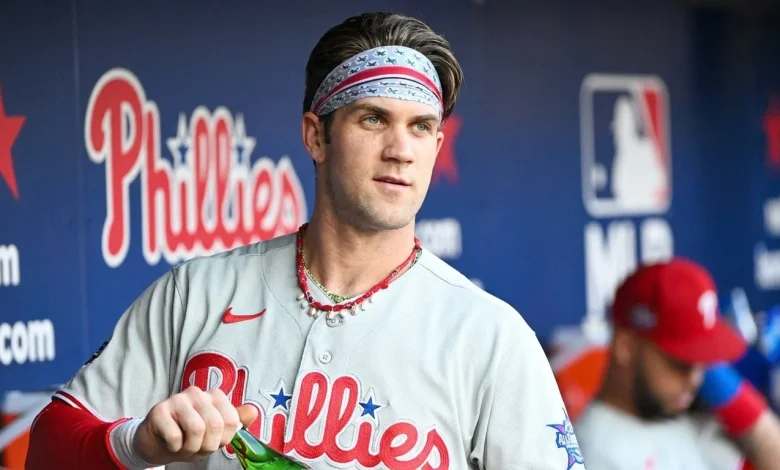
Table of Contents
Bryce Harper Denies Consenting to FanDuel Cameo Video VIP Usage
Bryce Harper, the prominent Philadelphia Phillies slugger, has officially broke his silence regarding a highly controversial Cameo video that was used by FanDuel to placate a VIP customer who later sued the sportsbook. The incident, which highlights the increasingly blurry boundaries between digital celebrity services and high-stakes corporate promotional strategies, has sent shockwaves through both the sports gaming industry and Major League Baseball (MLB). According to recent reports, the customer in question, Terry Thompson, wagered an astronomical $18.5 million on the platform, eventually leading to massive losses and a lawsuit asserting that FanDuel systematically exploited his gambling addiction. The subsequent revelation that Thompson was rewarded with a customized video from the reigning Phillies superstar has sparked a complex legal, corporate, and regulatory firestorm.
For Harper, the controversy represents an unexpected and highly public entanglement in the complex legal terrain of online gaming. In a detailed statement posted on his social media accounts shortly before his appearance in the Home Run Derby, Harper made it clear that he was completely unaware of the sportsbook’s real promotional intentions. He explicitly detailed that the request was processed via Cameo—a platform designed for personal fan messages—rather than a commercial partnership. This distinction is vital as sportsbooks find themselves under escalating regulatory scrutiny of marketing practices across various jurisdictions. By bypassing traditional channels, operators risk undermining the safety protocols designed to shield vulnerable individuals from predatory commercial marketing.
The Thanksgiving Cameo: Anatomy of a Corporate Loophole
In late November 2024, a seemingly routine request appeared on Bryce Harper’s Cameo profile. The order requested a short holiday message for a fan named Terry and his young son, Max. The script requested was simple and read in good faith by Harper, who frequently uses the platform to connect with fans. In the recorded 21-second clip, Harper addressed Thompson directly, saying, “Hey, Terry? What’s up, brother? Hey, man, your host Bryttanni from FanDuel wanted to make sure your Thanksgiving was extra special”. He also included a brief greeting to Thompson’s son. Harper has since released a screenshot of the Cameo order receipt to substantiate his claims, proving that the transaction was handled as a personal request rather than a commercial deal.
Unbeknownst to the All-Star first baseman, the request was placed by Bryttanni Morgan, Thompson’s designated VIP manager at FanDuel. Upon receiving the completed video, FanDuel applied its corporate watermark logo over the footage and transmitted it directly to Thompson. Harper strongly rebuffed the company’s actions, writing, “I did not know FanDuel would do this. I did not consent to it, and FanDuel had no right to do it”. The star’s agent, Scott Boras, and his legal representatives are reportedly examining whether the sportsbook bypassed proper licensing channels. Similar issues surrounding digital rights and intellectual property have surfaced in prominent corporate liability lawsuits within other highly regulated sectors, raising serious questions about consumer rights and digital authorization.
Inside the VIP Host Ecosystem: Keeping High-Rollers Hooked
To understand how a Major League Baseball MVP was drawn into a gambling addiction lawsuit, one must examine the highly aggressive VIP retention infrastructure deployed by major online sportsbooks. High-volume bettors, colloquially termed “whales” by industry insiders, represent a disproportionately large share of revenue for platforms like FanDuel and DraftKings. To maximize the lifetime value of these high-rollers, sportsbooks assign dedicated VIP hosts. These hosts communicate constantly with users, frequently establishing deeply personal bonds that can blur the lines of professional boundaries.
In Terry Thompson’s case, VIP manager Bryttanni Morgan reportedly cultivated an intense, constant stream of communication. The lawsuit filed by the Public Health Advocacy Institute highlights that Morgan exchanged thousands of text messages with Thompson, sharing details from her personal life and offering lavish gifts. These rewards included premium champagne, fully paid expenses for consecutive Super Bowl trips, and ultimately, the customized message from Harper. Industry critics argue that these tactics are designed to keep vulnerable users actively betting, even when they express a clear desire to stop. Legal experts note that legal testimonies uncovering hidden relationships between corporations and consumer behaviors are becoming critical in prosecuting predatory marketing and proving corporate complicity.
The Terry Thompson Lawsuit: Predatory Allegations Revealed
The legal action initiating this public controversy was filed in March 2026 in the Common Pleas Court in Philadelphia on behalf of Terry Thompson. According to the court documents, Thompson’s gambling problems escalated dramatically as a direct result of mobile micro-betting options. Between 2020 and 2024, Thompson wagered more than $18.5 million on the platform, resulting in a devastating net loss of approximately $1.5 million to $2 million. The complaint claims that FanDuel was fully aware of Thompson’s self-destructive patterns and, rather than enacting responsible gaming interventions, actively deployed Morgan to encourage more active betting.
The inclusion of the customized baseball video represents a major piece of evidence for the plaintiffs, who argue that FanDuel manipulated Thompson’s affinity for Philadelphia sports to deepen his emotional connection to the betting platform. The legal battle has quickly become a landmark case in the sports betting era. Unlike standard personal negligence cases, this litigation targets systemic behavioral manipulation, paralleling negligence lawsuits against major entities in recreational industries where customer safety was systematically ignored in favor of financial growth.
Pennsylvania Gaming Control Board Launches Investigation
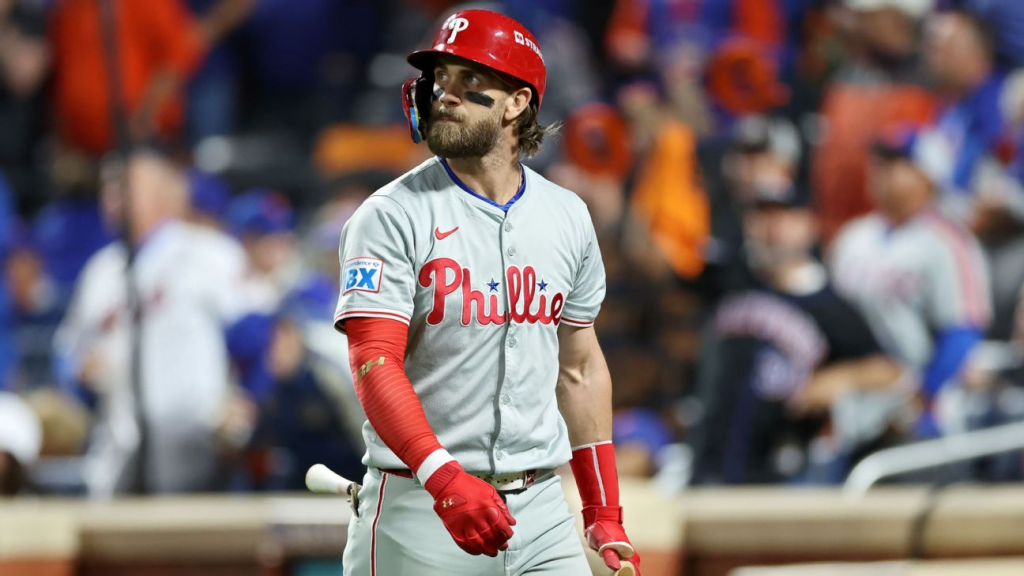
Following the public release of the Harper video by the Philadelphia Inquirer, regulatory authorities have quickly intervened. The Pennsylvania Gaming Control Board (PGCB), which oversees all casino, online, and sports wagering activities within the Commonwealth, officially announced a formal review of the matter. Doug Harbach, a spokesperson for the PGCB, confirmed that the regulatory body is thoroughly examining the circumstances under which the promotional material was generated and sent to a patron with an active gambling addiction.
The PGCB’s investigation focuses heavily on whether FanDuel violated Pennsylvania’s strict state regulations regarding responsible gaming and promotional transparency. Regulators are looking into whether the sportsbook’s VIP hosts have bypassed compliance standards in pursuit of retaining high-volume customers. Regulatory observers suggest that depending on what the board uncovers, the state could impose massive fines or implement stricter limits on host-patron communications. This regulatory scrutiny echoes past Department of Justice warnings on compliance seen in other federally monitored sectors, where strict boundaries must be maintained to protect the public interest from unmonitored commercial exploitation.
Celebrity Cameos, Licensing, and Legal Disclaimers
This dispute exposes a significant, unresolved conflict in the digital economy: the commercial misuse of personal celebrity video services. Cameo provides two distinct transactional portals: one for personal fan messages and another, much more expensive tier for business promotions. Personal videos carry explicit terms of service prohibiting commercial utilization, branding, or marketing. By utilizing a personal request to procure Harper’s video, inserting a corporate watermark, and distributing it as a customer VIP reward, FanDuel appeared to bypass Cameo’s commercial licensing fees and restrictions.
In his public statement, Harper emphasized that “Cameo had a separate category for business video requests and that he did not know the video to Terry would be used for commercial purposes”. Legal experts speculate that Harper’s legal team could pursue breach of contract or right-of-publicity claims. This scenario illustrates how corporate actors frequently attempt to leverage third-party technology to bypass traditional contract law, which can result in severe financial or criminal sentences for corporate executives who knowingly step over legal lines to bolster their balance sheets.
The Broad Implications for Sports Betting Regulation and Corporate Governance
As sports wagering expands globally, the legal fallout from the Thompson case could establish far-reaching precedents. Legal scholars point out that sportsbooks have long operated in a regulatory grey area regarding customer protection. While operators must provide self-exclusion lists and helpline numbers, their aggressive VIP programs run completely counter to these public safety efforts. A court victory for Thompson could redefine the legal obligations of sports betting operators, forcing them to treat severe gambling addiction with the same legal seriousness as the hospitality sector treats over-serving alcohol.
This lawsuit comes at a critical juncture for the industry, with federal legislators and judicial authorities showing a growing appetite to regulate sports betting advertisements. Legal observers are eagerly monitoring upcoming court hearings scheduled to address sports betting practices and player liability, reflecting the broader legal shifts when decisions handed down by federal judges establish precedents that re-evaluate corporate accountability. Both players and platforms must now re-examine how their marketing assets are utilized, ensuring strict alignment with consumer protection laws.
Summary of the FanDuel vs. Terry Thompson Case and Key Disputes
To clarify the core aspects of this high-profile controversy, the table below outlines the primary figures, the financial parameters, and the central legal questions currently being reviewed by state regulators and the judicial system.
| Key Parameter | Case & Controversy Details |
|---|---|
| Case Origin | March 2026, Public Health Advocacy Institute on behalf of Terry Thompson |
| Primary Defendants | FanDuel, DraftKings, Bryttanni Morgan (VIP Host), NFL, and Genius Sports |
| Thompson’s Betting Activity | Wagered $18.5 million; estimated net losses between $1.5 million and $2 million since 2020 |
| Bryce Harper’s Involvement | Recorded a personal Thanksgiving Cameo message for “Terry” in late 2024; unaware of its use as a VIP reward |
| The Core Infringement | FanDuel placed its company logo on Harper’s personal video, utilizing it as a commercial promotional asset |
| Regulatory Body Involved | Pennsylvania Gaming Control Board (PGCB) conducting an active compliance review |