Noncitizen Voting: 7 Major DOJ Warnings for State Officials
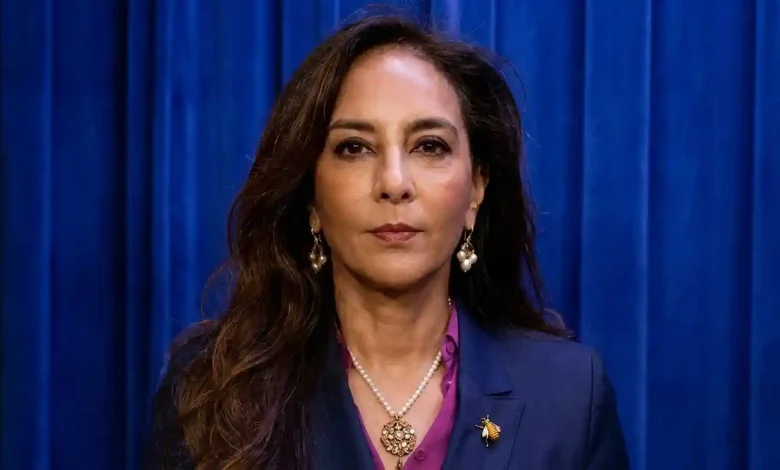
Table of Contents
Noncitizen voting is extremely rare, but the U.S. Department of Justice (DOJ) has issued an unprecedented warning to election officials across all 50 states and the District of Columbia, threatening criminal prosecution if they fail to prevent noncitizens from registering or casting ballots in federal elections. This move has escalated tensions between federal authorities and local officials who oversee the nation’s decentralized election systems. Signed by Assistant Attorney General Harmeet Dhillon, who heads the department’s Civil Rights Division, the letters give state election officers a strict five-day deadline to explain how they will comply with federal voter eligibility laws and maintain ‘clean voter lists’ (State Voter Registration Lists, or SVRLs). While Trump and his administration have repeatedly portrayed the participation of non-eligible individuals in elections as a widespread crisis, data from nonpartisan experts indicates that actual cases are microscopically small. Nonetheless, the DOJ’s aggressive warnings have placed secretaries of state and local election boards on high alert as they navigate a highly polarized political and legal landscape.
The Justice Department’s Unprecedented Warning to States
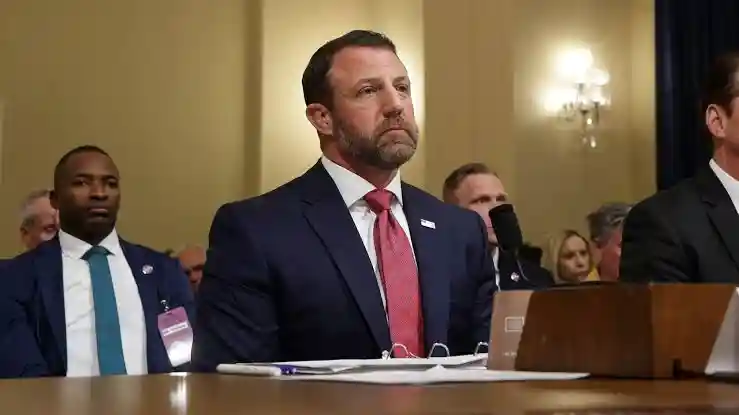
The Department of Justice, under the direction of the Trump administration, has sharply escalated its intervention in state-level election administration. On Tuesday, July 7, the DOJ’s Civil Rights Division dispatched formal letters to election directors and secretaries of state nationwide. These letters signal a massive departure from traditional federal-state cooperation, instead employing coercive legal threats to compel states to audit their State Voter Registration Lists (SVRLs) under a highly compressed timeline. A spokesperson for the Justice Department confirmed the widespread nature of the campaign, stating that the agency requested ‘voluntary compliance in a timely manner’ from all 50 states and Washington, D.C., to ensure that only eligible U.S. citizens participate in federal elections. Despite the DOJ’s framing of the initiative as a cooperative request, the inclusion of explicit criminal liability warnings has sent shockwaves through the election administration community.
Details of the Letter Signed by Harmeet Dhillon
The letters were personally signed by Assistant Attorney General Harmeet Dhillon, a prominent conservative attorney and Trump ally who was recently confirmed to lead the DOJ’s Civil Rights Division. Dhillon’s appointment has been marked by an aggressive policy shift within the Division’s Voting Section. In the warning letter, Dhillon asserted that state and local election officers could face federal criminal charges if they ‘knowingly retain’ ineligible noncitizens on their voter registration rolls. The document details that any election administrator who facilitates the procurement, receipt, casting, or tabulation of ballots by noncitizens could be prosecuted for ‘aiding and abetting’ violations of federal voting laws. This represents an aggressive use of federal prosecutorial power to pressure local officials, many of whom are already operating under strict state guidelines to maintain highly secure and accurate voter directories.
The Five-Day Ultimatum for Compliance
Compounding the severity of the criminal warnings, the DOJ has given states a mere five days to respond with detailed explanations of how they intend to comply with federal voter eligibility laws. Officials must outline their administrative processes for verifying citizenship and maintaining ‘clean voter lists’. This rapid turnaround has been widely criticized by state authorities as an impossible administrative burden. Election directors point out that thoroughly documenting state-wide and county-level verification protocols, which often involve multiple state agencies and complex database integrations, requires weeks of preparation. Critics argue that the five-day deadline is not designed to solicit meaningful data, but is rather a tactical maneuver to create a public pretense of state non-cooperation, thereby laying the groundwork for further federal intervention or litigation.
Allegations and Legality of the Prosecution Threat
The legal foundation of the DOJ’s letters has immediately become a subject of intense debate among constitutional scholars and election law experts. While federal law strictly prohibits noncitizens from voting in federal elections, the administration’s threat to prosecute state-level administrative officials marks a novel and legally questionable expansion of executive authority. Historically, the Civil Rights Division has focused on expanding voter access and protecting citizens from disenfranchisement. The shift toward policing local election boards under the guise of civil rights enforcement has drawn accusations of partisan overreach.
The Legal Statutes Cited in the DOJ Letters
In the warning letters, Dhillon cites several federal statutes, including the National Voter Registration Act (NVRA) of 1993, the Help America Vote Act (HAVA), and specific sections of the United States Code that criminalize false claims of citizenship and illegal voting. Specifically, the DOJ points to federal statutes which make it a federal crime for noncitizens to vote in elections for federal office, and penalize making false statements to register. However, legal experts note that these laws are designed to target the individual bad actors—the ineligible registrants themselves—rather than the public servants tasked with administering complex, decentralized voter rolls. The letters attempt to bridge this gap by suggesting that failing to clean rolls constitutes a federal conspiracy or the facilitation of fraudulent voting.
Defining ‘Aiding and Abetting’ in Election Administration
The core of the DOJ’s threat hinges on the concept of ‘aiding and abetting.’ According to the letters, ‘an intentional act that is aimed at diluting the votes of citizens could also constitute a violation’ of federal law, and election officers who ‘knowingly retain’ noncitizens on a statewide registration list could face personal criminal liability. In federal jurisprudence, ‘aiding and abetting’ requires proving that an individual consciously shared in the criminal act and acted with the intent to facilitate its success. Proving that a local county clerk ‘knowingly’ kept a noncitizen on the voter roll with the specific intent of allowing an illegal vote is an exceptionally high legal standard. Legal scholars argue that honest administrative backlogs, data sync delays between departments of motor vehicles and election offices, or simple human errors do not meet this standard of criminal intent, rendering the DOJ’s threats legally hollow but politically potent.
State-by-State Responses and Democratic Resistance
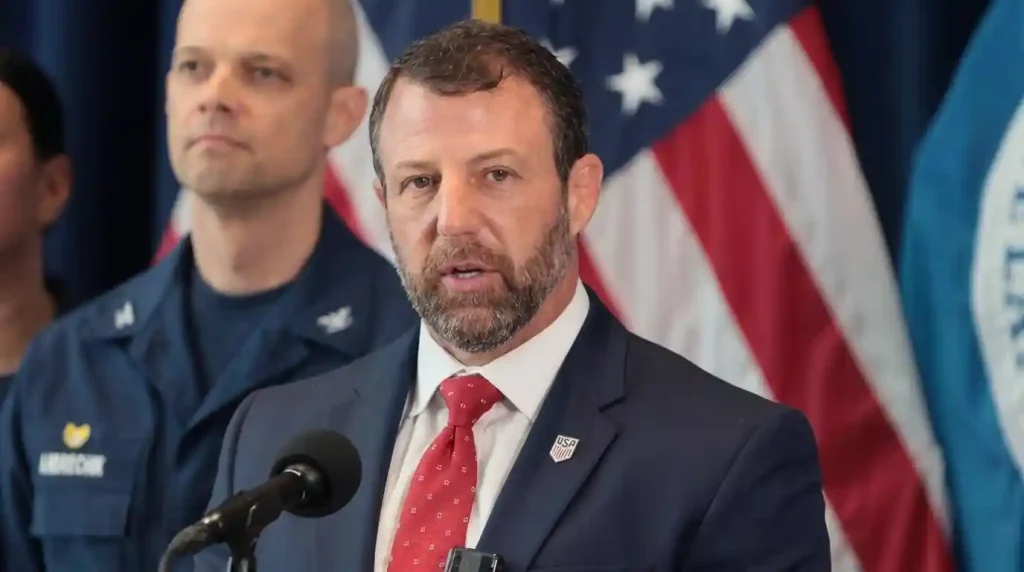
The response to Dhillon’s letter was swift and highly polarized, split along party lines and regional administrative approaches. Democratic secretaries of state and election directors immediately pushed back against what they characterized as an unprecedented campaign of federal intimidation.
Democratic Officials Decry ‘Intimidation’ and ‘Bizarre Behavior’
Michigan Secretary of State Jocelyn Benson, Nevada Secretary of State Francisco Aguilar, and Washington Secretary of State Steve Hobbs were among the first to confirm receipt of the letters and voice their strong opposition. Hobbs released a scathing public statement, accusing the Justice Department of ‘accelerating down a slippery slope of threatening personal legal action against election administrators’. He asserted that ‘attempts to revive disproven claims of rigged elections will not deter election professionals from doing their job of overseeing accessible, accurate, auditable elections’. In Arizona, Secretary of State Adrian Fontes was even more direct, calling the insinuations that county recorders were failing in their duties ‘insulting’. Fontes stated that Arizona’s election officials would continue to follow state law rather than ‘directions that come from political rhetoric or intimidation’. Many Democratic officials have labeled the DOJ’s sweeping demands for data and quick compliance as ‘truly bizarre behavior’ designed to disrupt the smooth operation of local offices.
Republican Responses and Compliance Actions
Conversely, several Republican-led states have responded to the DOJ letters by defending their existing voter roll maintenance practices while expressing alignment with the federal government’s stated goals. Utah Lieutenant Governor Deidre Henderson confirmed receipt of the letter and noted that Utah has robust systems to verify voter eligibility. In Georgia, Secretary of State Brad Raffensperger—who has historically faced pressure from the Trump administration—reiterated that his office has long led the country in keeping American elections secure. A spokesperson for Raffensperger pointed to Georgia’s pioneering statewide citizenship audits, which checked the status of millions of voters and found virtually zero noncitizens on the active rolls. Meanwhile, West Virginia Secretary of State Kris Warner maintained his position of refusing to share full voter rolls with the federal government, highlighting that even conservative administrations face resistance when federal demands overreach into state-protected voter privacy.
Noncitizen Voting: Fact Versus Political Rhetoric
To understand the gravity of this federal-state conflict, it is essential to look at the empirical reality of noncitizen voting in the United States. While the Trump administration and its allies have repeatedly portrayed noncitizen voting as a widespread, systematic threat capable of altering election outcomes, the consensus among academic researchers, election administrators, and independent watchdogs is that the phenomenon is extraordinarily rare.
Empirical Data on Noncitizen Voting in Federal Elections
Comprehensive studies conducted by nonpartisan organizations, such as the Brennan Center for Justice, have consistently demonstrated that noncitizens do not vote in numbers that could sway federal elections. For instance, an extensive audit of the 2016 general election analyzed 23.5 million votes across 42 jurisdictions and found only an estimated 30 instances of suspected noncitizen voting. This equates to approximately 0.0001% of the votes cast. Noncitizens have immense personal disincentives to attempt to register or vote: under federal law, doing so is a deportable offense that carries severe criminal penalties and permanently ruins any chance of obtaining legal citizenship.
Existing State Safeguards and Verification Methods
The low incidence of noncitizen voting is not accidental; it is the direct result of multi-layered safeguards built into state registration systems. When an individual registers to vote, they must sign a legally binding declaration under penalty of perjury asserting their citizenship. Additionally, almost every state cross-references voter registration applications with state Department of Motor Vehicles (DMV) databases, Social Security Administration records, and, in many cases, federal databases like the Department of Homeland Security’s Systematic Alien Verification for Entitlements (SAVE) system. These robust, multi-agency checks ensure that ineligible individuals are flagged and filtered out long before a ballot is ever issued.
The Broader Trump Administration Strategy on Election Integrity
The warning letters dispatched by Harmeet Dhillon do not exist in a vacuum; they represent one front in a coordinated, multi-pronged campaign by the Trump administration to assert federal control over local election processes.
Courtroom Battles Over Voter Data Access
In tandem with the threat of criminal prosecution, the Justice Department has filed federal lawsuits against at least 30 states, including Illinois and Washington, seeking to force them to hand over their complete, unredacted voter registration databases. The DOJ is demanding highly sensitive and protected voter data, including full dates of birth, driver’s license numbers, and the last four digits of Social Security numbers. States of both political parties have aggressively fought these lawsuits, citing state privacy laws, voter safety, and the lack of federal statutory authority to compel the release of such sensitive personal data. Thus far, the federal government has met with little success in these courtroom battles, with multiple federal judges dismissing the lawsuits or ruling in favor of state sovereignty.
Proposed USPS Regulations and Legislative Stalemates
Beyond lawsuits and letters, the administration has sought to implement administrative rules to restrict mail-in voting. A controversial proposal would prohibit the U.S. Postal Service from transmitting mail-in or absentee ballots unless the voter is matched against a federally approved citizenship database. This effort was quickly blocked by a federal judge who ruled that it overstepped executive authority and threatened to disenfranchise millions of eligible citizens, including military voters and overseas Americans. On the legislative front, the administration has championed the Safeguard American Voter Eligibility (SAVE) Act, which would mandate strict proof-of-citizenship documents at the time of voter registration. However, the bill remains stalled in the Senate due to bipartisan concerns over its practicality, cost, and potential to disenfranchise eligible voters who lack immediate access to birth certificates or passports.
Summary of State Actions and DOJ Demands
Below is a summary of the responses and positions of key state election officials who received the letters from Assistant Attorney General Harmeet Dhillon regarding State Voter Registration List (SVRL) maintenance.
| State | Key Election Official | Stated Response to DOJ Letter | Voter Rolls Integrity Actions / Stand |
|---|---|---|---|
| Michigan | Secretary of State Jocelyn Benson | Confirmed receipt; reviewing demands. | Stresses current compliance with state and federal maintenance standards. |
| Arizona | Secretary of State Adrian Fontes | Condemned the letter as ‘political rhetoric and intimidation.’ | Points to strict state verification laws and database checks. |
| Washington | Secretary of State Steve Hobbs | Criticized DOJ for ‘threatening personal legal action’ against administrators. | Refuses to share protected, sensitive voter data without legal authorization. |
| Georgia | Secretary of State Brad Raffensperger | Confirmed receipt; noted state has led in ensuring only citizens vote. | Conducted first statewide citizenship audit of voter rolls. |
| Illinois | ISBE Executive Director Bernadette Matthews | Reviewing the letter and its potential legal implications. | Assessing current systems in relation to federal standards. |