Proud Boys Convictions Tossed by Federal Judge 2026
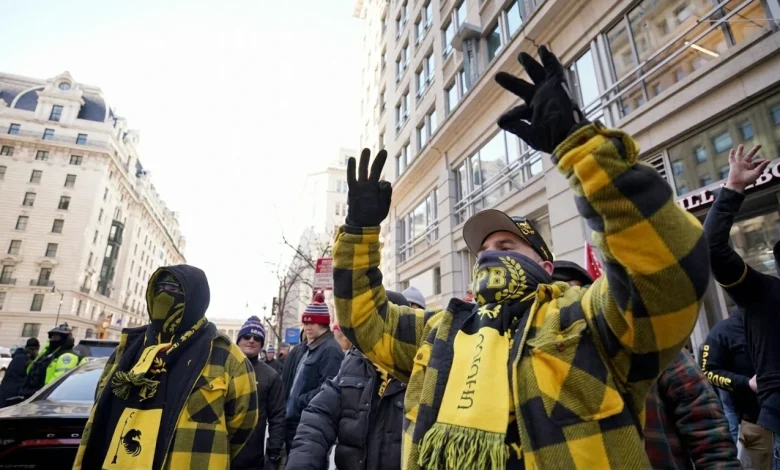
Proud Boys leaders Ethan Nordean, Joseph Biggs, Zachary Rehl, and Dominic Pezzola had their landmark convictions permanently dismissed on Friday, July 10, 2026, marking one of the final legal chapters of the historic prosecutions stemming from the January 6, 2021, Capitol riot. U.S. District Judge Timothy J. Kelly reluctantly granted the Department of Justice’s motion to vacate and dismiss the cases with prejudice, meaning they cannot be reopened in the future. The ruling comes in the wake of sweeping presidential actions, as President Donald Trump used his executive powers to grant broad clemency to those involved in the Capitol attack. While Judge Kelly—a 2017 Trump appointee—ultimately conceded to the executive branch’s authority, he issued a sharp rebuke of the administration’s decision, making it clear that the court’s compliance does not equate to an endorsement of the move.
Proud Boys:The Dismissal Order: Timothy J. Kelly’s Final Decision
Proud Boys: In a comprehensive seven-page memorandum issued on Friday, Judge Timothy J. Kelly officially brought an end to the federal government’s criminal case against the four high-ranking members of the far-right group. The Justice Department’s request, filed in the spring of 2026, sought to clear the remaining convictions of these men, which remained on their records even after President Trump commuted their active prison sentences on his first day back in office in January 2025.
Proud Boys: Judge Kelly noted that because the Department of Justice (DOJ) had formally moved to dismiss the prosecutions and the D.C. Circuit Court of Appeals had already vacated the convictions in May, the district court was left with virtually no practical alternative but to grant the motion. “Denying the motion would not somehow revive the convictions that the Court of Appeals vacated,” Kelly wrote, acknowledging the constitutional limits of the judiciary in overriding decisions made by the executive branch. However, his memorandum made sure to draw a strict line between judicial obligation and judicial agreement, emphasizing that the decision to abandon the hard-fought prosecutions lay entirely with the White House.
Proud Boys:Profiles of the Four Men: Nordean, Biggs, Rehl, and Pezzola
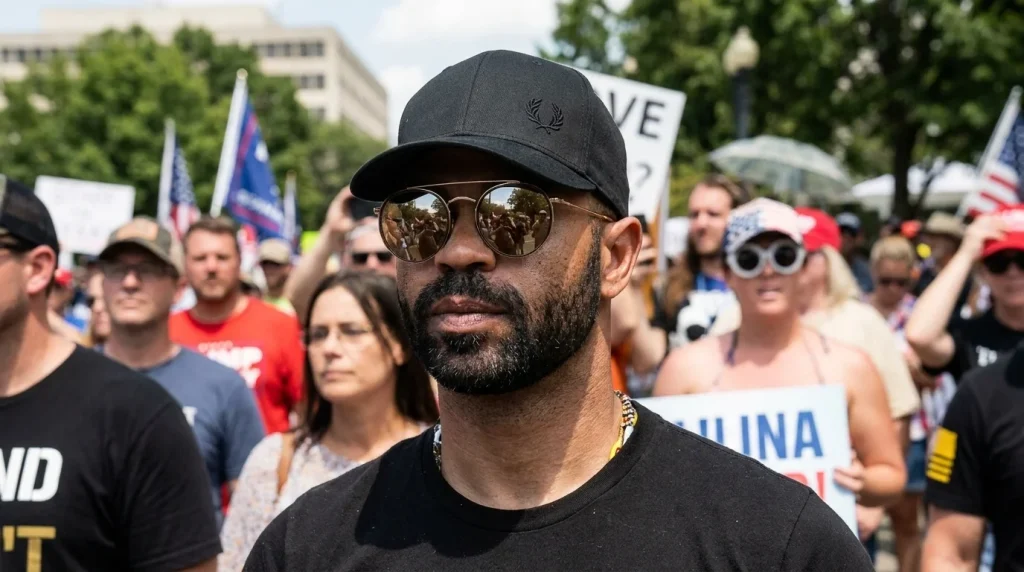
Proud Boys: The four defendants represent the core leadership and most visible actors of the organization during the events of January 6. Their actions, heavily documented in videos, text messages, and radio communications, were central to the government’s initial claims that the group planned and executed an organized, violent breach of the Capitol building:
- Ethan Nordean: A prominent chapter leader from Washington state, Nordean acted as a key organizer on the ground. He was originally sentenced to 18 years in federal prison in 2023.
- Joseph Biggs: An influential organizer and army veteran from Florida, Biggs was seen using a megaphone to direct crowds at pivotal barriers. He received a 17-year prison sentence.
- Zachary Rehl: The former president of the Philadelphia Proud Boys chapter, Rehl led a contingent of members toward the Capitol grounds. He was sentenced to 15 years in prison.
- Dominic Pezzola: Unlike the other three, Pezzola was not convicted of seditious conspiracy, but he became a central figure of the riot when he was filmed using a stolen police riot shield to break a window, establishing the first entry point for rioters. He was sentenced to 10 years.
The formal dismissal of charges marks an absolute victory for these defendants, who had maintained that their actions were protected forms of political expression. Following the ruling, Rehl celebrated the decision publicly, posting that the long-standing legal battle was finally over.
Proud Boys:The Road to Seditious Conspiracy and Trial Convictions
Proud Boys: The convictions that have now been erased were the product of one of the longest and most complex criminal trials in modern American history. Spanning over three months in 2023, the federal government presented thousands of pages of encrypted chat logs, social media posts, and body camera footage to argue that the organization had conspired to block the peaceful transfer of power by force.
Proud Boys: Prosecutors argued that the defendants operated under a coordinated plan to target the weak points of the Capitol’s security infrastructure. While the defense maintained that the group had no structured plan to storm the building, the jury ultimately sided with the prosecution, handing down rare convictions for seditious conspiracy—an extremely high-threshold charge reserved for severe acts of rebellion against the state. While the U.S. legal system has historically maintained strict penalties for offenses targeting the state, such as those seen in other security-related cases like national security act sentencing, the executive branch’s recent maneuvers represent a unique deviation from conventional prosecutorial standards.
Proud Boys:Justice Department Shift: The Drive to Dismiss Underlying Charges
Proud Boys: The dismissal of these cases was not initiated by the defendants themselves, but rather by a dramatic policy shift within the Department of Justice following Donald Trump’s return to the presidency. Under the new administration, the DOJ shifted from aggressively prosecuting January 6 defendants to systematically requesting that their convictions be set aside, arguing that the prosecutions were politically motivated.
According to reports by the Associated Press, this policy shift culminated in a formal motion filed by the Trump Administration’s DOJ in April 2026, which urged the appeals court to throw out the jury verdicts entirely. Although the defendants’ prison sentences had already been commuted—allowing them to live as free citizens—the presence of felony convictions on their records carried significant civil and legal consequences, including the loss of voting rights and limitations on employment. By moving to dismiss the indictments with prejudice, the DOJ sought to restore the defendants to their pre-indictment legal status.
Proud Boys:Judicial Separation of Powers: Timothy J. Kelly’s Pushback
Despite granting the government’s motion, Judge Kelly was careful to assert the independence of the federal judiciary in his memorandum. He noted that the decision to abandon the prosecution of individuals convicted of serious crimes on federal property was a purely executive action. Kelly wrote, “The decisions to issue the Executive Order and to abandon this prosecution—even after the Government secured convictions for serious crimes relating to the attack on the Capitol on January 6—are solely the Executive’s”.
Kelly’s memorandum made it clear that while the Constitution vests the President with the absolute power of clemency, the court does not condone the rewrite of the historical record. He emphasized that the underlying facts of the case—which demonstrated that the defendants engaged in coordinated, violent activities to disrupt the certification of a democratic election—remained true, even if the legal consequences were being erased by political decree. This direct pushback highlights a growing tension between Trump-appointed judges and the administration’s aggressive efforts to undo the work of previous federal prosecutors.
Proud Boys:Political and Constitutional Ramifications of Mass Clemency
The dismissal of the cases has reignited a fierce national debate over the rule of law and the limits of executive power. Critics of the administration, including several congressional Democrats, have decried the DOJ’s actions as a dangerous precedent. Representative Jamie Raskin, the ranking member of the House Judiciary Committee, previously released a statement calling the DOJ’s motions “appalling and dangerous,” accusing the department of acting like “in-house counsel” for extremist groups.
Conversely, supporters of the administration argue that the mass pardons and subsequent dismissals are a necessary step to heal political divisions and correct what they view as overzealous prosecutions. This legal intervention highlights the administration’s broader political strategy, mirroring the systemic influence seen across various federal and state levels, including high-profile actions like Trump’s political endorsements. The long-term implications of using executive authority to systematically dismantle federal conspiracy convictions secured by unanimous juries will likely be studied by legal scholars for decades.
Proud Boys:Comparing Sentences and Dispositions: A Detailed Breakdown
The contrast between the original sentences handed down by the federal court and the final legal outcomes following the executive intervention is stark. The table below outlines the judicial history of the four defendants involved in Friday’s ruling:
| Defendant | Key Conviction(s) | Original Sentence (2023) | Executive Action (2025) | Final Disposition (July 2026) |
|---|---|---|---|---|
| Ethan Nordean | Seditious Conspiracy, Obstruction | 18 Years in Prison | Sentence Commuted | Dismissed with Prejudice |
| Joseph Biggs | Seditious Conspiracy, Obstruction | 17 Years in Prison | Sentence Commuted | Dismissed with Prejudice |
| Zachary Rehl | Seditious Conspiracy, Obstruction | 15 Years in Prison | Sentence Commuted | Dismissed with Prejudice |
| Dominic Pezzola | Assaulting an Officer, Destruction of Property | 10 Years in Prison | Sentence Commuted | Dismissed with Prejudice |
As illustrated, the systematic wiping of these convictions represents a complete reversal of the heavy sentences originally intended to deter future political violence. By removing the convictions entirely, the federal government has effectively nullified the multi-year investigative and prosecutorial efforts of the Justice Department’s January 6 task force.
Proud Boys:The Broader Democratic Precedent and Legacy of January 6
The resolution of these cases closes one of the most high-profile chapters of domestic legal history, but it opens a broader discussion about constitutional stability. Legal analysts warn that the erosion of criminal convictions for political allies could weaken the deterrence factor against future civil unrest. Historically, the executive branch has used pardons sparingly for high-level conspiracy charges to avoid the appearance of undermining judicial integrity.
As the nation moves forward, approaching historic milestones like American independence at 250, the political debate over the legacy of January 6 remains a critical flashpoint. The dismissals secured on Friday ensure that these former defendants will face no further federal restrictions on their civil liberties. However, the tension between executive authority and the independence of the federal bench remains an unresolved conflict that will continue to shape the contours of American democracy.