The Bay Club Lawsuit: 5 Key Facts After Parents Sue Over Child Injury
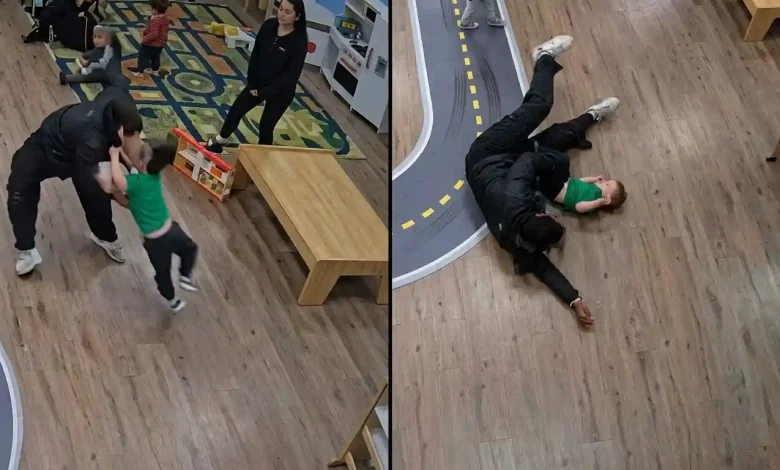
Table of Contents
The Bay Club lawsuit has ignited widespread public outrage and intense legal scrutiny after a Southern California family took legal action against the upscale country club and fitness chain. Filed on July 2, 2026, by Matthew and Elena Kittle, the lawsuit details a horrific incident in which a daycare employee at the El Segundo Clubhouse allegedly dropped their 23-month-old toddler, resulting in severe physical and neurological injuries. The legal filing alleges a sequence of negligence, intentional misrepresentation, and a calculated attempt by the club’s administration to downplay the severity of the child’s condition. For parents who entrust their young children to supervised on-site childcare programs at premium athletic clubs, the allegations have triggered major safety concerns. This comprehensive analysis delves into the timeline of the incident, the specific legal charges, the critical evidence captured on surveillance footage, and the regulatory loopholes involving private club child care that this case brings to light.
Introduction to the Incident and Legal Complaint
Entrusting the safety of a toddler to a specialized childcare program is a common practice for modern, health-conscious parents. However, this legal action highlights the vulnerabilities present even in exclusive, members-only establishments. When the Kittles enrolled their child, C.K., in the supervised daycare facility, they expected the premium environment to reflect premium standards of care. Instead, they find themselves at the center of a landmark civil litigation case that raises serious questions about staff hiring, safety supervision, and operational licensing across the multi-state network of high-end athletic clubs.
Details of the March 17, 2025 Incident
On the morning of March 17, 2025, Matthew Kittle dropped off his 23-month-old son, identified in court documents by the initials C.K., at the El Segundo Clubhouse. This facility is a supervised, 14,000-square-foot childcare center operated by The Bay Club at its El Segundo location, situated just south of Los Angeles, California. Matthew Kittle had informed the facility staff that he would be away for approximately three hours at the nearby Manhattan Country Club—a detail that later became a focal point in arguments over licensing rules. What was supposed to be a standard morning of supervised playtime quickly descended into a nightmare.
According to the civil complaint filed in the Los Angeles County Superior Court, a female employee at the daycare center began interacting with the young toddler in an increasingly reckless manner. The employee allegedly gripped the toddler by his hands and began performing a “pendulum swing” with him between her legs. Moments later, she hoisted C.K. over her head, throwing him approximately six feet into the air. However, instead of safely catching him on his descent, the employee failed to secure the child. C.K. fell through the air, crashing headfirst onto the hardwood floor. To make matters worse, as the employee lost her balance, she toppled backward, landing directly on top of the already injured toddler.
The Core Allegations Against The Bay Club

The legal filing formally names The Bay Clubs Co. LLC and Bay Club South Bay LLC as the primary defendants. The lawsuit seeks substantial damages, the exact figure of which is to be determined by a jury, to address the extensive medical costs, psychological trauma, and long-term care that C.K. may require. Representing the Kittle family is Ryan Saba of the law firm Rosen Saba LLP, who has publicly condemned the country club’s actions as “inexcusable”.
The plaintiffs argue that the business failed to maintain basic safety standards and failed to properly train and supervise its personnel. In high-profile corporate litigation, similar claims regarding institutional failures and duty of care are frequently examined. For instance, in other legal arenas, corporate entities face severe consequences when safety protocols are bypassed, as seen in cases like the settled lawsuit over corporate social responsibility, which addressed corporate liability regarding children’s well-being. The Bay Club lawsuit similarly focuses on the systemic failures that allowed such an incident to occur in a space specifically marketed to affluent families as safe and secure.
Severe Physical Injuries Sustained by C.K.
In the immediate aftermath of the fall, C.K. cried uncontrollably and displayed clear signs of severe head trauma. However, according to the legal complaint, the child-care facility staff waited before conveying the true gravity of the situation to his father. When Matthew Kittle returned to the facility to pick up his son, he was shocked to find C.K. with deep bruising across his face, a badly swollen mouth, and a right eye that was completely swollen shut. Recognizing the urgency of the situation, the father immediately rushed the toddler to a local emergency room in Torrance, California.
Medical evaluations at the emergency room confirmed the severity of the trauma. Doctors diagnosed the 23-month-old with blunt head trauma, facial abrasions, and a severe concussion. In the weeks and months following the incident, C.K.’s condition did not fully resolve. When the family took the child to a neurology specialist for a follow-up assessment, tests revealed that C.K. had sustained a traumatic brain injury (TBI). Furthermore, the specialist determined that the toddler had developed persistent neurological side effects, including partial hearing loss, which is now feared to be a permanent, life-altering condition.
The Accusations of Fraud and Cover-Up
One of the most legally damning components of the lawsuit is the allegation of fraud through intentional concealment. The Kittle family asserts that multiple employees and managers at The Bay Club actively collaborated to lie about how the injury occurred in order to shield the company from liability. This calculated deception began with the initial phone call to Matthew Kittle while he was at the Manhattan Country Club. Staff members reportedly told him that C.K. had fallen but had since calmed down, suggesting that there was no urgent need for him to return immediately.
When the visible injuries made it impossible to hide that an incident had occurred, the staff allegedly fabricated a much milder version of the event. An aquatics director at the club told Elena Kittle that the employee had merely slipped or stumbled while in a crouching or “squatting” position, and that the child was only about 1.5 feet off the ground when the fall occurred. This fabricated narrative was later repeated by the facility’s general manager, who claimed she had personally reviewed the surveillance footage and confirmed that the worker simply lost her balance. The emergency room physicians immediately cast doubt on this explanation, noting that the severity of the blunt force trauma was completely inconsistent with a fall from a height of only eighteen inches.
| Category | The Bay Club’s Initial Account | Video Evidence & Legal Allegations |
|---|---|---|
| Height of the Fall | Approximately 1.5 feet (18 inches) off the ground. | Approximately 6 feet at the apex of the toss. |
| Employee’s Action | Stumbled or lost balance while in a crouching/squatting position. | Swung the child, threw him overhead, and failed to catch him. |
| Immediate Impact | Described as a minor slip that was quickly managed. | Child hit the hardwood floor; employee fell backward on top of him. |
| Parent Notification | Stated the child had calmed down and downplayed the injury. | Failed to disclose the severe trauma, leading to delayed medical attention. |
| Resulting Medical Diagnoses | Minor abrasions. | Traumatic brain injury (TBI), concussion, and permanent hearing loss. |
Discrepancies Between Daycare Accounts and Video Footage
The “tipping point” in the legal battle occurred when the Kittle family’s legal team obtained access to the daycare center’s internal security camera footage. The video, which has since been submitted as crucial evidence in the lawsuit, completely demolished the club’s official narrative. According to a Los Angeles Times report, the surveillance video clearly shows the female staff member executing the dangerous overhead toss, releasing her grip, and watching the toddler crash to the floor before losing her footing and landing on him. Other staff members in the room can be seen reacting with immediate panic and alarm, exposing the fact that the danger was obvious to everyone present.
This blatant mismatch between the documented truth and the verbal accounts provided by the general manager forms the basis of the fraud and intentional infliction of emotional distress charges. Legal experts note that attempting to cover up a child’s injury not only increases the punitive damages a jury might award but could also lead to criminal inquiries. Corporate attempts to hide wrongdoing often result in devastating financial and legal fallout, similar to how deceptive tactics in other sectors lead to major investigations, such as those discussed in the recent Gallup report on fraudulent practices, highlighting the massive costs of institutional fraud.
Licensing Issues and State Regulatory Questions
Beyond the immediate actions of the employee, the lawsuit raises severe regulatory and licensing questions. Attorney Ryan Saba argues that the daycare center at The Bay Club El Segundo was operating illegally without a proper childcare facility license from the California Department of Social Services (CDSS). Under California law, specialized “license-exempt” childcare programs at fitness centers are only permitted if the parents remain strictly on the premises and are immediately available to retrieve their children. However, the lawsuit highlights that the club routinely allowed parents to leave the property, as Matthew Kittle did when he visited the nearby Manhattan Country Club.
By failing to secure the mandatory state license while operating as a de facto independent daycare, The Bay Club allegedly bypassed critical regulatory oversight. Licensed facilities are subject to strict staff-to-child ratios, mandatory background checks, regular safety inspections, and rigorous training protocols regarding safe child-handling techniques. The absence of these standards at the El Segundo Clubhouse may have directly contributed to the negligent hiring and retention of the staff member involved in the incident.
Did The Bay Club Bypass Childcare Facility Requirements?
The legal implications of operating an unlicensed daycare center are vast. Under California’s Health and Safety Code, childcare centers must adhere to specific protective measures to ensure the physical and mental well-being of minors. When a business acts outside these regulatory frameworks, they lose the presumptions of safety and compliance. In the case of The Bay Club, the lawsuit suggests that the facility intentionally ignored these licensing requirements to cut operational costs and appeal to members who desired the convenience of off-site drop-offs. When regulations are ignored, the risks of catastrophic failures skyrocket, which often prompt severe enforcement and investigative actions. By allowing parents to leave the premises while their children remained under the care of untrained staff, the country club created a high-risk environment that eventually culminated in C.K.’s severe injuries.
Legal Theories and Causes of Action

The complaint filed on July 2, 2026, lists seven distinct causes of action against the defendants: negligence; negligence per se; negligent hiring, retention, and supervision; negligent infliction of emotional distress; fraud — intentional concealment; intentional infliction of emotional distress; and battery. Each of these claims carries significant legal weight. The inclusion of battery and fraud elevates the case from a standard personal injury claim into a high-stakes battle over corporate ethics and intentional wrongdoing.
Negligence claims focus on the breach of duty, while the battery charge is tied to the employee’s physical impact on the child. Punitive damages, which are designed to punish defendants for especially egregious behavior, are highly likely to be a major factor if the case proceeds to trial.
Understanding Negligence Per Se and Battery Claims
To establish a case of negligence per se, the plaintiffs must demonstrate that the defendants violated a statute, ordinance, or regulation designed to prevent such injuries, and that the violation directly resulted in the harm. In this lawsuit, the violation of California’s strict childcare licensing codes serves as the foundation for the negligence per se claim. By operating an unlicensed childcare facility, the club is presumed to have breached its duty of care.
On the other hand, the civil battery charge, though typically associated with intentional physical altercations, applies here because the employee’s reckless and unauthorized actions resulted in direct, harmful physical contact with the toddler, compounded by her falling on top of him. This combination of statutory violations and direct physical harm creates a formidable legal challenge for the club’s defense team.
Public Backlash and Corporate Response
As news of the lawsuit broke, public outrage intensified among the upscale club’s membership. The Bay Club operates more than 30 premium locations across California, Oregon, and Washington, catering to high-income families who pay substantial monthly dues for access to its luxury amenities, fitness programs, and childcare. The revelation that a toddler suffered a traumatic brain injury due to an employee’s reckless behavior—and that management allegedly tried to cover it up—has left many members questioning the safety of their own children.
In response to inquiries regarding the pending litigation, representatives for The Bay Club issued a brief statement. Represented by attorneys from Comm Oddities, Inc., the company stated that it is “unable to comment on ongoing litigation”. However, the statement emphasized: “At the Bay Club, the safety of our members, team members, and the families we serve is our highest priority”.
Safety Protocols and Club Members’ Concerns
The repercussions of this lawsuit are expected to ripple through the entire private country club and fitness industry. Parents pay thousands of dollars annually for memberships under the assumption that these luxury spaces provide a higher tier of safety and oversight than public spaces. The allegations of deliberate deception and regulatory evasion have shattered that trust for many members.
Legal experts believe that this case could prompt a wave of state-wide audits by the Department of Social Services targeting other premium fitness centers and athletic facilities that offer child watch programs. Ultimately, the outcome of this trial could establish new precedents for how private athletic clubs manage and report child injuries, ensuring that transparency and safety are never sacrificed for corporate reputation.