Vasana Montgomery Removed from Reality Show After Racial Slur Videos Surface
Introduction
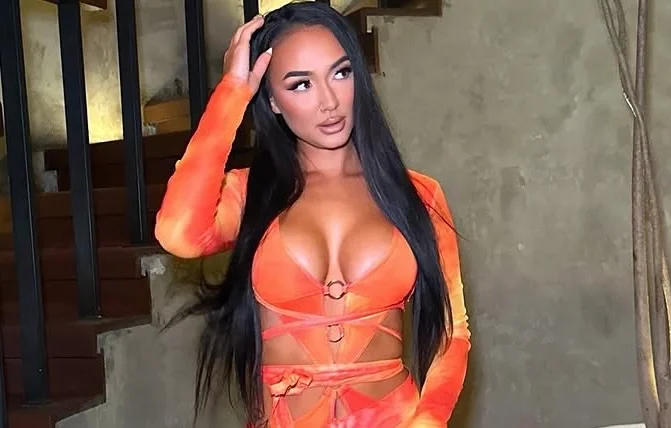
Vasana Montgomery, a newly announced cast member of an unnamed reality dating show, has been removed from the program before its Season 8 premiere. This decision follows the resurfacing of videos on social media in which Montgomery is allegedly heard using a racial slur. The swift action taken by Peacock, the streaming service airing the show, underscores the increasing sensitivity and zero-tolerance policies surrounding racial issues in the entertainment industry. This incident not only impacts Montgomery’s career but also raises important questions about the vetting processes employed by reality television programs and the responsibilities of media platforms in addressing offensive content. The controversy highlights the power of social media in holding individuals accountable and the potential consequences for public figures when past actions resurface.
The Video Controversy
The controversy began when two videos circulated rapidly across social media platforms shortly after the Season 8 cast announcement. In one video, Montgomery is purportedly heard using the N-word while singing along to a song. The second video allegedly captures Montgomery using the same racial slur while vocally reacting to an arcade game. These videos, which were not publicly available until after the cast reveal, quickly drew widespread attention and criticism.
The authenticity and context of these videos became immediate points of contention. Some social media users argued that the videos were taken out of context or were misrepresented, while others expressed outrage and called for immediate action. The speed at which the videos spread was facilitated by the viral nature of social media, highlighting the challenges that public figures and media companies face in managing their online presence and addressing potentially damaging content.
The incident underscores the importance of understanding the context in which language is used. While intent is a key factor, the impact of using racial slurs, regardless of intent, can be deeply harmful and offensive. This is particularly true given the historical and ongoing oppression associated with such language. The debate surrounding the videos forced a broader conversation about accountability, the potential for rehabilitation, and the role of public platforms in shaping societal norms around language and race.
Swift Removal from the Show
In response to the public outcry and the rapid spread of the controversial videos, Peacock acted swiftly to remove Vasana Montgomery from the reality dating show. This decision was made within days of the cast announcement and just before the season was scheduled to air. The promptness of the removal indicates a strong commitment from the streaming service to address the situation decisively and to uphold its standards regarding offensive content. The removal sends a clear message that such behavior, whether in the past or present, is unacceptable and will not be tolerated on their platforms.
The decision to remove Montgomery likely involved careful consideration of various factors, including legal implications, public relations concerns, and the potential impact on the show’s viewership and reputation. While the streaming service did not disclose the specific internal deliberations that led to the decision, the speed of the action suggests a high level of urgency and a determination to mitigate any potential damage. This incident can be compared to other instances where public figures have faced consequences for their past actions, highlighting a growing trend of accountability in the entertainment industry and beyond.
Peacock’s Response
Peacock confirmed Montgomery’s removal to NBC News, stating that the videos resurfaced after the cast announcement. This acknowledgment underscores the challenges involved in vetting potential reality show contestants, particularly when dealing with past online activity that may not be immediately apparent. Peacock’s statement also emphasizes the importance of ongoing monitoring and responsiveness to issues that may arise after a cast is announced. Peacock is owned by NBCUniversal, the parent company of NBC News.
Peacock’s response included a commitment to maintaining a safe and inclusive environment for its viewers and participants. This commitment is reflected in their decision to take swift action in response to the controversy. By addressing the issue directly and decisively, Peacock aimed to reassure its audience that it takes matters of racial sensitivity seriously. The streaming service’s actions serve as a reminder to other media companies of the need to be proactive and transparent in addressing similar issues.
Social Media Reaction
The social media reaction to the videos and Montgomery’s subsequent removal was immediate and widespread. Platforms such as Twitter, Instagram, and Facebook became battlegrounds for debate, with users expressing a range of opinions. Some users condemned Montgomery’s alleged use of the racial slur, while others defended her, citing potential context or arguing for forgiveness. The hashtag associated with the show quickly became a hub for discussions about race, accountability, and the responsibilities of public figures.
The incident highlights the power of social media in shaping public perception and holding individuals accountable for their actions. The speed at which the videos spread and the intensity of the online debate underscore the challenges that public figures and media companies face in managing their online presence. The social media reaction also reveals the complexities of addressing issues of race and language in a public forum, where opinions are often divided and emotions run high.
The controversy also sparked discussions about cancel culture and the potential for individuals to be unfairly punished for past mistakes. While some argued that Montgomery’s removal was a justified consequence for her actions, others expressed concern about the long-term impact of online shaming and the lack of opportunities for rehabilitation. This debate reflects broader societal tensions surrounding issues of justice, forgiveness, and the role of social media in shaping public opinion.
Impact on the Show
Montgomery’s removal undoubtedly impacts the reality dating show. Season 8 was slated to air just days after the controversy erupted. The producers will need to re-edit the episodes to minimize or eliminate Montgomery’s presence, which could affect the storyline and the overall narrative arc of the season. This situation presents a logistical challenge for the production team, who must balance the need to address the controversy with the desire to deliver an engaging and entertaining show for its audience.
The controversy may also affect the show’s viewership and advertising revenue. Some viewers may choose to boycott the show in protest of Montgomery’s initial casting, while others may tune in to see how the show addresses the issue. Advertisers may also be hesitant to associate their brands with a show that has been embroiled in controversy, which could affect the show’s financial viability. The long-term impact on the show’s reputation will depend on how effectively the producers and the streaming service manage the situation and demonstrate a commitment to inclusivity and sensitivity.
Historical Context of Racial Slurs
Understanding the historical context of racial slurs is crucial to appreciating the gravity of their use. The N-word, in particular, carries a deeply painful history of oppression, violence, and dehumanization against Black people. Originating in the era of slavery, the term was used to strip Black individuals of their dignity and to perpetuate systemic racism. Even today, the use of the N-word, regardless of the speaker’s intent, evokes this history and perpetuates harm. This historical context informs the outrage and condemnation that often accompany the use of such language.
The impact of racial slurs extends beyond individual interactions, contributing to a broader climate of racial inequality and discrimination. By using such language, individuals reinforce stereotypes, perpetuate prejudice, and undermine efforts to create a more inclusive and equitable society. The controversy surrounding Vasana Montgomery’s alleged use of the N-word underscores the need for ongoing education and awareness about the history and impact of racial slurs. It also highlights the importance of holding individuals accountable for their language and actions.
Broader Implications for Reality TV
The Vasana Montgomery incident has broader implications for the reality television industry. It serves as a reminder of the need for thorough vetting processes and the importance of addressing issues of race and diversity in casting and production. Reality TV shows, which often thrive on drama and conflict, have a responsibility to ensure that their content does not perpetuate harmful stereotypes or contribute to a climate of discrimination. This requires a commitment to creating inclusive environments and promoting respectful dialogue.
The incident also highlights the challenges of managing the online presence of reality TV contestants. In an era of social media, past actions and statements can easily resurface and have significant consequences. Reality TV shows must prepare their contestants for the potential scrutiny they will face and provide them with the resources and support they need to navigate the challenges of being in the public eye. This includes educating contestants about the impact of their language and behavior and providing them with guidance on how to manage their online presence responsibly.
Future of Casting and Vetting Processes
In light of the Vasana Montgomery controversy, reality TV shows will likely re-evaluate their casting and vetting processes. This may involve more extensive background checks, including a thorough review of potential contestants’ social media activity and online presence. Casting directors may also need to develop more effective methods for assessing contestants’ attitudes and beliefs about race and diversity. This could include conducting interviews or administering questionnaires designed to identify potential red flags.
The future of casting and vetting processes may also involve greater collaboration between reality TV shows and diversity and inclusion experts. By consulting with these experts, shows can gain valuable insights into how to create more inclusive casts and promote respectful dialogue. This collaboration could also involve developing training programs for contestants and production staff on issues of race, diversity, and cultural sensitivity. The goal is to create a more inclusive and equitable environment for everyone involved in the production of reality TV shows.
Summary of Events
Here is a summary of the key events:
| Date | Event |
|---|---|
| Thursday | Season 8 cast of reality dating show unveiled. |
| Thursday/Friday | Videos of Vasana Montgomery allegedly using a racial slur surface on social media. |
| Friday | Montgomery is removed from the cast. |
| Ongoing | Social media debate and discussion continue. |
Contestant Response and Apology
As of the initial reports, Vasana Montgomery did not immediately respond to requests for comment regarding the videos or her removal from the show. However, in situations like these, the involved individual’s response and potential apology play a significant role in the aftermath. A sincere and timely apology can sometimes mitigate the negative impact and open a path toward potential rehabilitation. The absence of a response can, conversely, intensify public criticism and prolong the controversy. The content and tone of any eventual statement from Montgomery would be closely scrutinized and would likely influence public perception of the incident.
An effective apology typically involves acknowledging the harm caused, expressing remorse, and demonstrating a commitment to learning from the mistake. It often includes specific actions the person intends to take to rectify the situation and prevent similar incidents in the future. For example, Montgomery could potentially engage in diversity training, support anti-racism initiatives, or use her platform to promote understanding and inclusivity. These actions would signal a genuine effort to atone for her past behavior and contribute positively to the conversation around race and language.
Long-Term Consequences and Rehabilitation
The long-term consequences for Vasana Montgomery extend beyond her removal from the reality show. The incident could impact her future career prospects, her personal relationships, and her overall reputation. The internet’s capacity to preserve information means that the videos and the associated controversy will likely remain accessible for years to come, potentially affecting her opportunities in various fields. The path to rehabilitation requires sustained effort and a demonstrated commitment to change. Montgomery would need to actively work to repair the damage caused by her actions and rebuild trust with the public.
Rehabilitation could involve engaging in community service, supporting relevant charities, or working with organizations that promote diversity and inclusion. It also requires a willingness to listen to and learn from the experiences of others, particularly those who have been directly impacted by racial slurs and discrimination. The process of rehabilitation is not always easy or successful, but it offers the potential for personal growth and a chance to contribute positively to society. Ultimately, the long-term consequences and the possibility of rehabilitation will depend on Montgomery’s actions and her ability to demonstrate genuine remorse and a commitment to making amends. This situation mirrors other instances where individuals in the public eye have faced similar challenges, highlighting the importance of accountability and the potential for growth and learning from mistakes. You can read more about similar situations, such as the Jason Meade case, to understand the complexities of public accountability.
The incident also raises questions about the nature of forgiveness and the possibility of second chances. While some may argue that Montgomery’s actions warrant permanent condemnation, others may believe that individuals should be given an opportunity to learn from their mistakes and rebuild their lives. The debate over forgiveness reflects broader societal tensions surrounding issues of justice, accountability, and the potential for redemption. Ultimately, the decision of whether to forgive Montgomery will rest with individuals and communities who have been impacted by her actions.
The entertainment industry may also need to re-evaluate its approach to handling controversies involving racial slurs and other forms of offensive language. This could involve developing clear guidelines for addressing such incidents, providing support for individuals who have been affected, and implementing educational programs to promote greater awareness and understanding. The goal is to create a more inclusive and equitable environment for everyone involved in the industry and to prevent similar incidents from occurring in the future. More information on how the entertainment industry responds to controversies can be found in articles discussing settlements and dispute resolutions. The future of reality TV depends on its ability to adapt to changing social norms and expectations and to create content that is both entertaining and responsible. The security and integrity of the casting process is also critical, as is ensuring that contestants are aware of the implications of their actions in the digital age. Just as border security is crucial for nations, ensuring ethical standards is essential for the entertainment industry. Additionally, stranded passengers due to unforeseen circumstances highlight the importance of having contingency plans, similar to how the industry must prepare for and address controversies.