Princess crewmember Dies After Going Overboard Near Cancún 2026
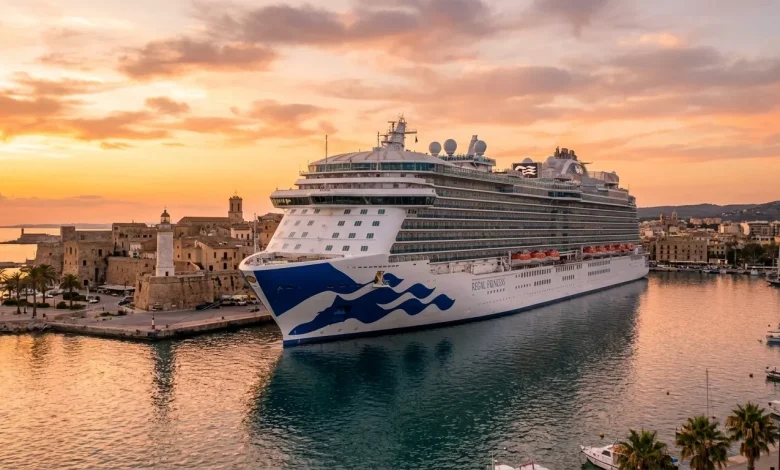
Table of Contents
Regal Princess crewmember safety and emergency protocol are under deep examination following a tragic incident at sea. On Monday, July 13, 2026, a member of the crew aboard the Regal Princess went overboard in the waters off the coast of Cancún, Mexico, and was later confirmed deceased. The ship had departed from its homeport of Port Everglades in Fort Lauderdale, Florida, on Saturday, July 11, 2026, on what was planned to be a serene seven-day voyage through the Western Caribbean. This sudden and devastating loss has cast a somber shadow over both the passengers and the maritime community at large, highlighting the inherent challenges and safety complexities of operations on the high seas.
Tragic events like these remind us how quickly situations can turn fatal. Just as a sudden fatal lightning strike at Fort Myers beach can devastate a community on land, a sudden fall at sea leaves families and colleagues reeling in shock. In the wake of this maritime tragedy, Princess Cruises, local authorities, and fellow cruise vessels coordinated a massive response effort. However, despite their immediate and extensive search operations, the rescue mission ended in heartbreak, raising serious questions about the safety measures, emergency responses, and psychological pressures faced by modern cruise liner workers.
Regal Princess Crewmember Overboard Incident: An Overview
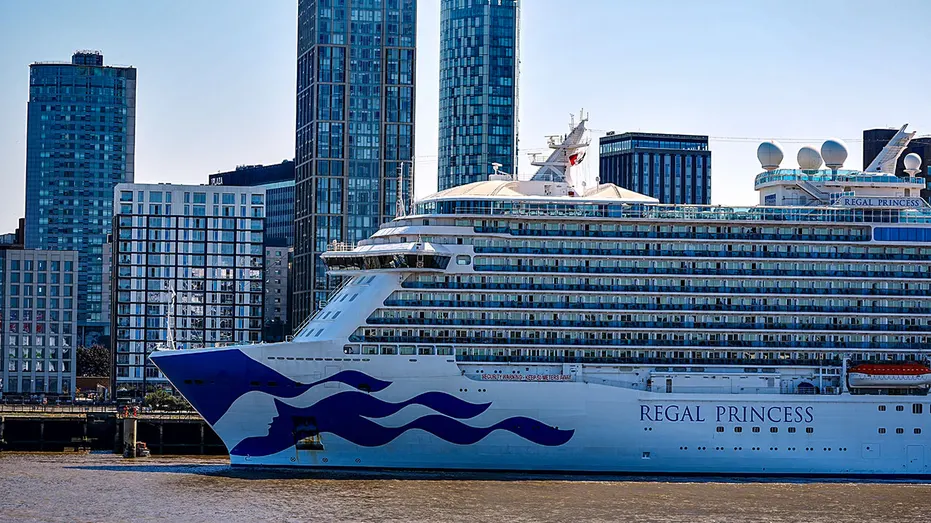
The Regal Princess is a highly regarded Royal-class cruise ship operated by Princess Cruises, a prominent subsidiary of the cruise giant Carnival Corporation & plc. Boasting 19 decks and measuring over 1,080 feet in length, the vessel is a floating city capable of carrying over 3,500 passengers and more than 1,300 crew members. The cruise ship was on its second day of sailing when the critical emergency was first declared. Having left the sunny shores of Fort Lauderdale, Florida, the ship’s itinerary was set to take excited vacationers to prime Caribbean destinations, including Cozumel and Belize.
However, the vacation atmosphere was abruptly shattered when the vessel transitioned from a leisure cruise into a critical rescue operation. The incident serves as a stark reminder of the unpredictable risks associated with maritime travel. When such accidents occur, investigations often lead to intense litigation, similar to how families pursue justice through a wrongful death lawsuit involving a fatal car crash on land. For the crew of the Regal Princess, the loss of one of their colleagues has spurred profound grief and highlighted the close-knit bonds shared by maritime professionals who spend months living and working together in close quarters.
Detailed Timeline of the Event Off Cancún
On the morning of Monday, July 13, 2026, the Regal Princess was navigating the turquoise waters off the coast of the Yucatan Peninsula, drawing closer to its scheduled port of call in Cozumel. It was during this transit that a crewmember was noticed missing. Shipboard security immediately initiated localized search protocols, reviewing security cameras and checking the individual’s quarters. Once it was deduced that the crewmember had gone over the side of the vessel near Cancún, the captain made an emergency announcement to the entire ship, immediately altering course to begin a systematic search-and-rescue operation.
According to eyewitness accounts from passengers on board, the ship’s atmosphere shifted instantly. The massive vessel turned sharply, retracing its nautical path. Guests reported that the ship repeatedly slowed down, performing extensive sweeping turns and circling back to the coordinates where the crewmember was believed to have fallen. The captain provided hourly updates to the passengers, keeping everyone on board informed of the ongoing efforts while maintaining operational transparency. Due to the exhaustive nature of the search, which lasted for over eight hours, the ship’s planned stop in Cozumel had to be officially canceled, prioritizing human life over the cruise itinerary.
The Search-and-Rescue Operation: Multi-Agency Collaboration
The sheer randomness of emergencies—whether an unforeseen wildlife encounter in Washington state or a slip on a damp deck—underscores the need for rapid response networks. Recognizing the gravity of the situation, the bridge team of the Regal Princess immediately contacted local maritime authorities, including the Mexican Navy and regional search-and-rescue coordinators. The search was further bolstered by the presence of another massive cruise ship in the region.
The crew of the Carnival Jubilee, an Excel-class vessel also operated under the Carnival Corporation umbrella, was sailing nearby and immediately diverted to assist. For hours, the two colossal ships navigated the waters off Cancún in a coordinated grid pattern, scanning the waves with binoculars, spotter lights, and specialized equipment. Mexican naval vessels and helicopters also joined the grid search. Despite the exemplary coordination and the utilize of advanced marine tracking tech, the rescue efforts ultimately transitioned into a recovery operation after the crewmember was located deceased in the water.
Official Statements and Support Services Offered
Following the conclusion of the search, Princess Cruises issued a heartfelt statement confirming the tragic outcome. The cruise line expressed deep sadness and offered condolences to the crewmember’s loved ones, although they did not publicly release the individual’s identity out of respect for the family’s privacy during their grieving process. The loss has had a profound impact on the ship’s community, prompting the immediate deployment of crisis response resources.
“Our heartfelt condolences go out to the crew’s family and friends during this difficult time. Grief support services are being offered to guests and crew members affected by this event,” the company stated on Monday afternoon. The cruise line also extended its deep gratitude to the local maritime authorities and their colleagues aboard the Carnival Jubilee who worked tirelessly alongside them during the emergency search. The public and government demand transparency in major investigations, which is also seen in domestic affairs such as scrutiny involving prominent politicians.
Understanding Cruise Overboard Incidents: Crucial Statistics
While millions of travelers embark on cruise vacations every year, overboard incidents remain one of the most feared emergencies at sea. Statistically, falling overboard is an exceptionally rare occurrence, but the survival rate is critically low due to the height of cruise ship decks, potential impact injuries, water temperatures, and the difficulty of locating a single person in the vast ocean. While guests frequently enjoy activities without concern, minor lapses can occasionally result in an unfortunate accident at a popular California theme park or a shipboard deck, but at sea, the consequences are far more unforgiving.
According to maritime safety reports, an average of 20 to 25 people go overboard from cruise ships worldwide each year. These incidents involve both passengers and crew members. Below is a summary of key metrics regarding the Regal Princess incident and broader context of maritime overboard occurrences:
| Key Fact / Parameter | Details of the Regal Princess Incident |
|---|---|
| Vessel Name & Class | Regal Princess (Royal-class) |
| Operating Cruise Line | Princess Cruises (Carnival Corp & plc) |
| Departure Port & Date | Port Everglades, Fort Lauderdale, FL (July 11, 2026) |
| Incident Date & Location | Monday, July 13, 2026 (Off the coast of Cancún, Mexico) |
| Assisting Organizations | Mexican Navy, Carnival Jubilee Crew |
| Search Duration | Over 8 Hours (resulting in Cozumel stop cancellation) |
| Outcome | Crewmember confirmed deceased; identity withheld |
The Complex Investigation Process in International Waters
Investigating a fatality that occurs on the high seas is a highly complex legal and jurisdictional challenge. Because the Regal Princess is registered in Bermuda, it flies the Bermudian flag, meaning the Bermuda Maritime Authority (BMA) has the primary responsibility as the flag state investigator. However, because the incident occurred close to the coast of Cancún, Mexican federal and maritime authorities also hold jurisdictional interests. Furthermore, because the ship departed from a U.S. port, agencies like the U.S. Coast Guard (USCG) and the Federal Bureau of Investigation (FBI) could be called to assist under the Cruise Vessel Security and Safety Act.
The subsequent legal reviews will likely take months, far outpacing the timeline of a standard high-profile legal hearing in Georgia. Investigators will analyze several critical components:
- Closed-circuit television (CCTV) footage from the ship’s extensive camera network to determine the exact time, location, and mechanism of the fall.
- Interviews with other crew members and passengers who may have witnessed the event or spoken with the individual prior to the incident.
- The ship’s logbooks, navigational data, and meteorological reports to understand the sea conditions at the time of the event.
- Autopsy and forensic reports from local Mexican medical examiners once the body is officially transferred.
These steps are essential to rule out foul play and to identify any structural or operational vulnerabilities that may have contributed to the tragedy.
Maritime Safety and Modern Technology: Preventing Falls at Sea
In response to overboard incidents over the years, the international maritime community and the United States government have implemented strict regulations to enhance safety. The Cruise Vessel Security and Safety Act (CVSSA) mandates that all ships operating from U.S. ports feature railing heights of at least 42 inches and integrate technology to detect or prevent overboard occurrences. Despite these rules, the adoption of active, automated “Man Overboard” (MOB) detection systems has been slow and inconsistent across the global fleet.
Modern MOB technology utilizes sophisticated thermal imaging cameras, radar sensors, and artificial intelligence algorithms to detect when a human-sized object falls from the ship’s side. When triggered, the system instantly alerts the bridge, providing real-time GPS coordinates of the fall. This drastically reduces response times, allowing the ship to turn around and launch rescue boats within minutes rather than hours. Major media outlets will continue to dissect this incident, navigating the same intense regulatory scrutiny facing major television networks when reporting on sensitive incidents, especially as advocates demand the mandatory installation of automated detection systems across all vessels.
Mental Health and Support for Maritime Professionals
The tragic loss of a crewmember also highlights the overlooked mental health struggles faced by maritime workers. Cruise ship crews often sign contracts lasting six to ten months, working long hours without days off, all while being far away from their homes and support networks. The isolation of living at sea, combined with intense workloads and the pressure of hospitality service, can lead to severe psychological strain. Many safety advocates emphasize that preventing overboard incidents requires not just taller railings and thermal cameras, but also a robust mental health support infrastructure for the crew.
Furthermore, global maritime departments coordinate with various nations, similar to the way official federal agency warnings regulate domestic legal frameworks. Industry groups are increasingly urging cruise lines to provide more comprehensive mental health resources, including confidential counseling, dedicated recreational spaces, and manageable working schedules. By fostering a healthier work environment, cruise companies can better protect their employees’ physical and mental well-being, potentially preventing future tragedies at sea.
Conclusion: A Somber Journey Continues
The Regal Princess has since departed the waters off Cancún to continue its revised itinerary. While the cancellation of the Cozumel port call was a minor disruption for vacationers, it was a necessary and unquestioned action in the face of a life-or-death emergency. The ship is expected to make its scheduled stop in Belize before beginning its journey back toward South Florida. It is anticipated to dock at Port Everglades on Saturday, July 18, 2026, where federal investigators and corporate representatives will likely meet the ship to proceed with their inquiries.
This tragic incident serves as a poignant reminder of the fragility of life and the immense, unforgiving power of the ocean. As the family, friends, and colleagues of the deceased crewmember grieve this profound loss, the wider cruise industry faces renewed pressure to evaluate safety standards and mental health protocols. While cruise ships are engineered to be floating paradises, the safety of those who work tirelessly behind the scenes to keep them running must remain the industry’s ultimate priority.