Jacob Daniel Baker Charged with Murder in Hawaii: Details Emerge
Introduction
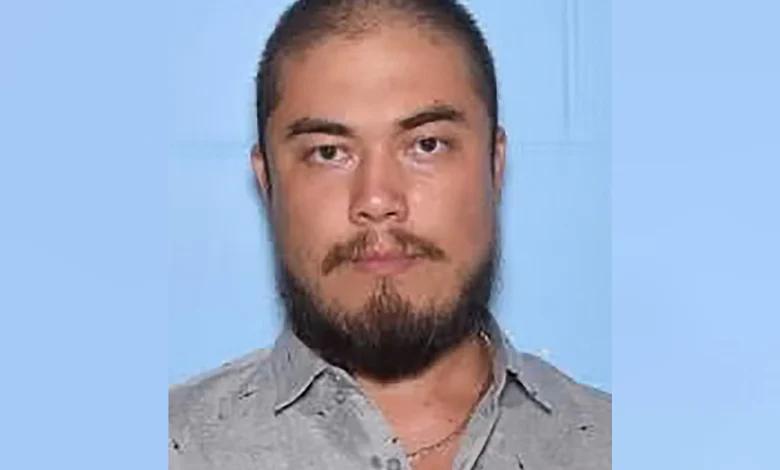
In a shocking turn of events, , a 36-year-old individual, has been formally charged with multiple counts of murder following a police investigation in Hawaii. According to a news release issued by the Hawaii Police Department on Saturday, Baker faces one count of first-degree murder and three counts of second-degree murder. These charges stem from an incident that has deeply impacted the local community and raised numerous questions about the circumstances surrounding the alleged crimes. The case is currently under intense scrutiny as authorities proceed with the legal process.
The Charges Against Baker
The charges against are severe, reflecting the gravity of the alleged offenses. The breakdown of the charges includes one count of first-degree murder, which, under Hawaiian law, is reserved for cases involving the intentional or knowing killing of two or more individuals. Additionally, Baker faces three counts of second-degree murder, each corresponding to one of the three slain victims. The Hawaii Police Department confirmed that these charges were filed after close consultation with the Hawaii County Prosecuting Attorney’s Office, indicating a coordinated effort to ensure the charges align with the evidence collected.
In addition to the murder charges, is also charged with burglary, breaking into a car, auto theft, and other offenses, painting a picture of a series of alleged criminal activities. The combination of these charges suggests a complex case that will require a thorough examination of the evidence and circumstances.
First-Degree Murder Explained
First-degree murder, as defined in legal terms, typically involves premeditation, deliberation, and intent to kill. However, in Hawaii, the charge also applies when someone intentionally or knowingly kills multiple people, regardless of whether there was prior planning. This is a critical distinction in Baker’s case, as the first-degree murder charge specifically references the alleged killing of two or more individuals. This charge carries the most severe penalties, potentially including life imprisonment without the possibility of parole or the death penalty, depending on the specific circumstances and any aggravating factors presented during the trial.
The prosecution will need to demonstrate beyond a reasonable doubt that acted intentionally or with the knowledge that his actions would result in the deaths of multiple people. Evidence such as witness testimonies, forensic analysis, and any potential confessions or admissions will be crucial in building a strong case for the prosecution.
Second-Degree Murder Explained
Second-degree murder, in contrast to first-degree murder, generally involves an intentional killing that is not premeditated or planned. It can also include killings that result from a reckless disregard for human life. In Baker’s case, the three counts of second-degree murder suggest that the prosecution believes there is sufficient evidence to argue that Baker intentionally caused the deaths of the three victims, even if the killings were not premeditated.
The penalties for second-degree murder are also significant, often resulting in lengthy prison sentences. The exact length of the sentence can vary based on the specific details of the case, the defendant’s prior criminal record, and other mitigating or aggravating factors. The prosecution will aim to present a compelling case that demonstrates Baker’s culpability in the deaths of the three victims, relying on evidence and legal arguments to persuade the jury of his guilt.
Additional Charges
Beyond the murder charges, faces a series of additional charges that further complicate the legal landscape of the case. These charges include burglary, breaking into a car, and auto theft. These offenses, while less severe than murder, indicate a pattern of alleged criminal behavior that could influence the court’s perception of Baker’s character and culpability. The prosecution may argue that these additional charges demonstrate a disregard for the law and a propensity for criminal activity, which could strengthen their case against Baker.
Each of these additional charges carries its own set of potential penalties, ranging from fines and probation to imprisonment. The cumulative effect of these charges could result in a substantial prison sentence for Baker if he is convicted on all counts.
Initial Court Appearance
is scheduled to make his initial court appearance in Hilo District Court on Monday. This hearing is a crucial step in the legal process, as it marks the first time Baker will appear before a judge to be formally advised of the charges against him. During this appearance, the judge will also determine whether Baker will be held in custody pending further proceedings and will set bail, if applicable. The court appearance is a key moment for both the prosecution and the defense, as it sets the stage for the legal battle that will unfold in the coming weeks and months.
Given the severity of the charges, it is likely that the prosecution will argue for Baker to be held without bail, citing the risk that he may flee or pose a danger to the community. The defense, on the other hand, will likely argue for a reasonable bail amount and conditions that would allow Baker to remain free while awaiting trial. The judge’s decision on this matter will be a significant indicator of how the court perceives the strength of the prosecution’s case and the potential risk posed by Baker.
Investigation Details
As of now, authorities have not disclosed a possible motive for the alleged crimes. The lack of a publicly stated motive adds an element of mystery to the case and leaves many unanswered questions about what might have driven Baker to commit such acts. The investigation is ongoing, and detectives are likely working diligently to uncover any evidence that could shed light on Baker’s state of mind and the events leading up to the killings.
The investigation will likely involve a thorough examination of the crime scene, interviews with potential witnesses, and analysis of any forensic evidence that may be available. Detectives may also delve into Baker’s background, looking for any history of mental health issues, substance abuse, or prior criminal activity that could provide clues about his motive. The investigation’s findings will be critical in building a comprehensive understanding of the case and presenting a compelling narrative to the court.
Legal Representation
At the time of the initial report, attorney information for was not immediately available. This means that it is unclear whether Baker has retained a private attorney or will be represented by a public defender. Securing legal representation is a critical step for Baker, as an attorney will be responsible for advising him of his rights, investigating the case on his behalf, and representing him in court.
Given the seriousness of the charges, Baker’s attorney will likely be a seasoned criminal defense lawyer with experience in handling complex murder cases. The attorney will need to carefully review the evidence against Baker, identify any potential weaknesses in the prosecution’s case, and develop a defense strategy that gives Baker the best chance of avoiding a conviction. The quality of Baker’s legal representation could have a significant impact on the outcome of the case.
Community Impact
The news of ‘s arrest and the charges against him has undoubtedly sent shockwaves through the local community in Hawaii. Such a violent crime can shatter the sense of safety and security that residents typically enjoy, leaving many feeling vulnerable and uncertain. The impact is particularly profound when the alleged crimes involve multiple victims, as it amplifies the sense of loss and trauma experienced by the community.
In the wake of such events, communities often come together to support one another, offering comfort and assistance to those who have been directly affected. Local organizations and community leaders may organize vigils, memorial services, and other events to honor the victims and provide a space for healing and reflection. The community’s response to this tragedy will be a testament to its resilience and its commitment to standing together in the face of adversity.
Historical Context of Violent Crime in Hawaii
Understanding the historical context of violent crime in Hawaii can provide a broader perspective on the current case involving . While Hawaii is often perceived as a tranquil paradise, it is not immune to the challenges of crime and violence. Over the years, the state has experienced its share of high-profile murder cases and other serious offenses, each leaving its mark on the community and raising questions about the underlying causes of crime.
Examining the trends and patterns of violent crime in Hawaii can help to identify potential risk factors and inform strategies for prevention and intervention. Factors such as poverty, substance abuse, mental health issues, and access to firearms have all been linked to violent crime in various contexts. By understanding these factors and their interplay in the Hawaiian context, policymakers and community leaders can work to develop targeted solutions that address the root causes of crime and promote safer communities. Recent incidents such as the Buford’s Bar shooting highlights the need for continued vigilance and comprehensive strategies to address violence.
Comparative Analysis of Murder Cases
Comparing the case of to other similar murder cases can offer valuable insights into the legal and factual issues at play. By examining how other courts have handled cases involving multiple victims, questions of intent, and potential defenses, it may be possible to identify relevant precedents and legal strategies that could be applicable in Baker’s case.
A comparative analysis might also consider the sentencing patterns in similar cases, providing a sense of the potential penalties that Baker could face if convicted. Factors such as the defendant’s prior criminal record, the presence of aggravating or mitigating circumstances, and the prevailing attitudes of the community can all influence the sentencing decision. By understanding these factors and their potential impact, Baker’s legal team can better prepare for the sentencing phase of the trial, if it comes to that.
The Role of the Prosecuting Attorney
The Hawaii County Prosecuting Attorney’s Office plays a critical role in the case against . As the representative of the state, the prosecuting attorney is responsible for presenting the evidence against Baker and arguing for his conviction. The prosecuting attorney must also ensure that Baker’s rights are protected throughout the legal process and that the trial is conducted fairly and impartially.
In a high-profile case such as this, the prosecuting attorney faces significant pressure to secure a conviction and bring justice to the victims and their families. The prosecuting attorney must carefully manage the evidence, prepare witnesses for trial, and develop a compelling narrative that persuades the jury of Baker’s guilt. The prosecuting attorney’s skill and experience will be crucial in determining the outcome of the case.
Future Proceedings
Looking ahead, the case against is likely to involve a series of legal proceedings, including pre-trial hearings, motions, and potentially a full jury trial. During the pre-trial phase, both the prosecution and the defense will have the opportunity to gather evidence, interview witnesses, and file motions seeking to exclude certain evidence or challenge the legal basis of the charges.
If the case proceeds to trial, the prosecution will have the burden of proving Baker’s guilt beyond a reasonable doubt. The defense will have the opportunity to present evidence and arguments in Baker’s defense, seeking to raise doubts about the prosecution’s case and persuade the jury to acquit Baker. The trial could last for several weeks or even months, depending on the complexity of the case and the amount of evidence presented. Other events could also influence the proceedings. For instance, geopolitical tensions, such as those discussed in reports about failed US-Iran deals, remind us of the broader context in which these events unfold, emphasizing the importance of justice and stability at every level. The outcome of the trial will have a significant impact on Baker’s life, as well as on the community’s sense of justice and closure.
| Charge | Description | Potential Penalties |
|---|---|---|
| First-Degree Murder | Intentionally or knowingly killing two or more people | Life imprisonment without parole or the death penalty |
| Second-Degree Murder | Intentionally causing the death of another person without premeditation | Lengthy prison sentence |
| Burglary | Unlawfully entering a building with the intent to commit a crime | Fines and/or imprisonment |
| Breaking into a Car | Unlawfully entering a vehicle with the intent to commit a crime | Fines and/or imprisonment |
| Auto Theft | Theft of a motor vehicle | Fines and/or imprisonment |
The unfolding legal drama surrounding serves as a stark reminder of the complexities of the criminal justice system and the profound impact that violent crime can have on individuals and communities. As the case progresses, it will be essential to follow the proceedings closely and to remain mindful of the rights and interests of all those involved. More broadly, incidents like the bear attack in Glacier National Park reminds us that life can be unpredictable and dangerous and understanding the underlying contributing factors is extremely important.
For more information on legal definitions and criminal charges, you can visit Cornell Law School’s Legal Information Institute.