Tehran Reopening: Flights Resume Following 50-Day Ceasefire
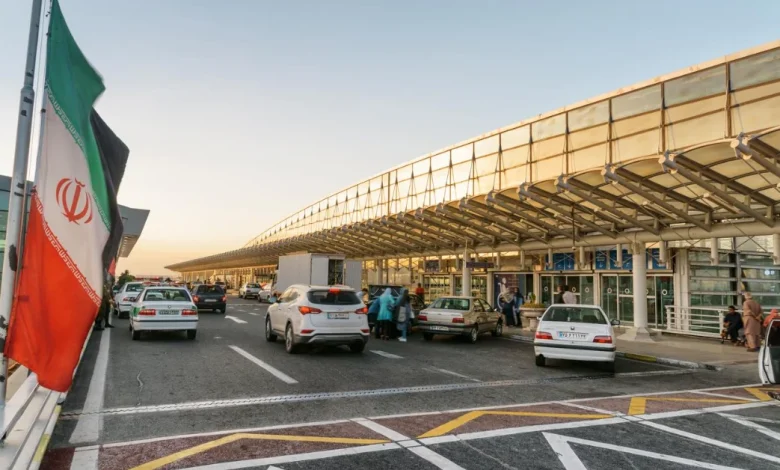
Tehran reopening marks a pivotal moment in global aviation and regional diplomacy as Imam Khomeini International Airport officially resumes its international flight operations following a grueling 50-day shutdown. The suspension of operations, which effectively isolated the nation from international airspace, has finally ended in the wake of newly cemented ceasefire agreements. Passengers and commercial airlines alike are watching this transition closely, as the post-ceasefire phase promises to reinstate crucial travel corridors and alleviate the immense logistical bottlenecks that have crippled regional connectivity. Early this morning, the echoing roar of jet engines returned to the Iranian capital, signaling that the nation is tentatively stepping back onto the world stage.
The 50-Day Aviation Blackout: A Strategic Review
The prolonged closure of Imam Khomeini International Airport was not merely an inconvenience; it was a profound geopolitical event that reshaped global air traffic patterns. For more than seven weeks, Iranian airspace, typically a bustling crossroads linking Europe to Asia and the Middle East, remained completely silent. This blackout forced major international carriers to initiate complex, fuel-heavy rerouting strategies, entirely bypassing a critical geographical nexus. The shutdown was enforced as regional conflicts peaked, mandating absolute closure to prevent civilian aviation catastrophes amid heightened military alerts and aerial deployments.
Regional Impact on Airspace and Logistics
The logistical fallout of the shutdown was immediate and severe. Without access to Iranian skies, European and Asian airlines were forced to navigate around the Persian Gulf, flying further south through the Arabian Peninsula or significantly further north over Central Asia. These detours added hours to total flight durations, subsequently skyrocketing operational costs due to increased aviation fuel consumption and complicated crew scheduling logistics. The disruption in the air mirrored broader supply chain anxieties, echoing the chaos seen when the Panama Canal crisis and Iran war reshaped global shipping costs. Commercial cargo that relied on the bellies of passenger jets was abruptly halted, compounding the economic strain on global markets already grappling with volatile supply chains.
The Diplomatic Context Surrounding the Grounding
The decision to ground all flights out of Tehran was inextricably linked to the broader conflict dominating the region. The reopening has only been made possible through exhaustive diplomatic negotiations and backchannel dialogues aimed at de-escalation. The implementation of the recent ceasefire agreement has provided the necessary security assurances for civil aviation authorities to permit the return of passenger aircraft. This delicate peace mirrors efforts seen in neighboring theaters, such as when Lebanon sought a ceasefire extension at Washington talks, highlighting a widespread regional desperation for stability. The international community, while cautious, has acknowledged the reopening as a tangible sign that the immediate threat environment has sufficiently cooled to prioritize civilian infrastructure recovery.
First Wave of International Flights Departs
The atmosphere at Imam Khomeini International Airport in the early hours of the morning was a blend of relief and tense anticipation. Security protocols were visibly enhanced, and terminal operations, dormant for nearly two months, were systematically brought back online. The resumption did not commence with a massive flood of departures, but rather a calculated, strategic wave of key flights designed to test operational readiness and re-establish the most critical international connections.
Initial Destinations: Istanbul, Medina, and Muscat
The selection of the first outbound destinations reflects a careful prioritization of diplomatic, religious, and economic needs. Flights leaving for Istanbul serve as the primary gateway for Iranian citizens and business personnel to access Europe and the broader Western hemisphere. Istanbul’s role as an international transit hub makes it the most vital artery for re-establishing global passenger flows. Simultaneously, departures to Medina cater to the deep-seated religious obligations of the populace, allowing delayed pilgrimage travel to commence. Finally, flights to Muscat, Oman, represent a crucial diplomatic lifeline; Oman has historically played an indispensable role as a neutral mediator in Middle Eastern conflicts, and reconnecting with Muscat is a strategic move to ensure ongoing diplomatic channels remain open and physically accessible.
Iran Air Leads the Early Morning Vanguard
It was deeply symbolic that Iran Air, the national flag carrier, was tasked with leading the first departure. The airline underwent rigorous maintenance checks during the 50-day grounding to ensure its fleet remained airworthy despite the lack of active flight cycles. The early morning vanguard flight was operated under stringent new safety guidelines developed in collaboration with regional air traffic control centers. Ground crews, flight attendants, and pilots expressed a cautious optimism as the first aircraft pushed back from the gate. For Iran Air, this is not just about returning to business; it is about reclaiming the skies and projecting a semblance of normalcy and resilience to the watching world.
Initial Flight Resumption Status
To provide clarity on the gradual rollout of the airport’s operations, below is a summary of the initial flight schedules, priority destinations, and the designated carriers leading the airspace reactivation.
| Destination City | Primary Airline | Flight Purpose / Category | Current Frequency Status |
|---|---|---|---|
| Istanbul (IST) | Iran Air / Turkish Airlines | International Transit & Commercial Gateway | Daily (Scaling to 3x Daily) |
| Medina (MED) | Iran Air | Religious Pilgrimage | Bi-Weekly (Pending Approvals) |
| Muscat (MCT) | Oman Air / Iran Air | Diplomatic & Regional Connectivity | Daily |
| Dubai (DXB) | Emirates / Mahan Air | Economic & Trade Corridor | Awaiting Final Insurance Clearances |
Operational Expansion and Gradual Ramping
While the first flights have successfully departed, airport authorities have made it unequivocally clear that a return to pre-conflict operational levels will be a marathon, not a sprint. The resumption of flights will proceed gradually, dictated entirely by fluctuating passenger demand, strict safety reassessments, and the complex web of international aviation approvals required after a prolonged military airspace closure.
Evaluating Demand and Approval Protocols
Foreign airlines remain cautious. Re-entering Iranian airspace requires new risk assessments and a renegotiation of aviation insurance premiums, which traditionally skyrocket following a conflict. Carriers must balance the economic advantage of shorter flight routes against the perceived residual risks of the post-ceasefire environment. Furthermore, the International Air Transport Association (IATA) and various civil aviation organizations are closely monitoring the situation, issuing updated guidance to airlines on a daily basis. The pace at which operations expand will largely depend on when foreign carriers feel confident enough to resume regular schedules to and from Tehran.
Airspace Reactivation Procedures
The technical aspects of reopening an airspace that has been dormant for 50 days are staggering. Notices to Air Missions (NOTAMs) that previously warned of severe hazards are being systematically lifted and replaced with updated routing instructions. Radar systems, navigation aids, and communication frequencies have undergone exhaustive recalibration and stress testing over the past week to ensure seamless integration with neighboring air traffic control sectors. Air traffic controllers, who have spent weeks managing a drastically reduced workload, are now transitioning back to high-stress, high-volume environment management, requiring meticulous coordination to prevent any safety compromises during the ramp-up phase.
Broader Geopolitical Implications for the Region
The reopening of Imam Khomeini International Airport extends far beyond the mechanics of aviation; it is a critical barometer for the geopolitical health of the Middle East. It signals a shift from active confrontation to economic and social recovery, though the underlying tensions that precipitated the 50-day shutdown have not been entirely erased.
Reconnecting Iran to the Global Economy
For an economy already under immense strain, the resumption of international flights is a crucial economic lifeline. The shutdown devastated the tourism sector, interrupted international business dealings, and severely restricted the flow of expatriate capital. As flights resume, there is a cautious hope for economic stabilization. The prolonged isolation highlighted the stark contrasts in regional development, drawing sharp comparisons regarding the Iran economy over 47 years of revolution versus Gulf prosperity. Reopening the airport is the first step in a desperately needed effort to reintegrate Iranian markets with the global economy, allowing for the movement of not just people, but high-value cargo and international investors.
Assessing the Long-Term Outlook for Middle East Aviation
Looking ahead, the aviation industry in the Middle East must grapple with the vulnerabilities exposed by this 50-day blackout. The reliance on specific airspace corridors has proven to be a massive liability in times of conflict. Similar to how energy markets reacted violently to regional instability—such as the time the Hormuz closure sparked an 11% surge in EU natural gas futures—the aviation sector is now recognizing the critical need for resilient, diversified flight routing infrastructures. While today marks a victorious return to the skies for Tehran, the global aviation community remains vigilant, recognizing that long-term stability requires sustained diplomatic commitment and an unwavering dedication to civil aviation safety across the entire region. The successful departure of flights to Istanbul, Medina, and Muscat is merely the opening chapter in what will undoubtedly be a long and complex narrative of recovery and reintegration.