Strait of Hormuz Tanker Explosions: Iranian Mines Spark Energy Crisis 2026
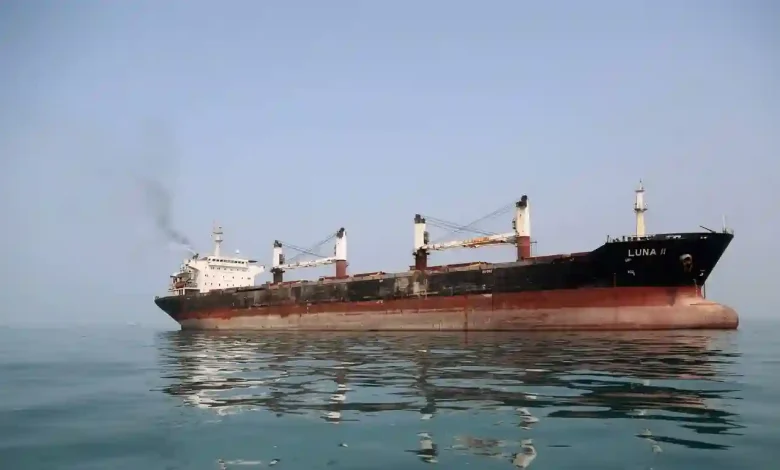
Table of Contents
Strait of Hormuz waters witnessed severe maritime disruption on Saturday after two large commercial oil tankers caught fire following underwater detonations triggered by naval mines, according to official reports released by Iran’s Islamic Revolutionary Guard Corps (IRGC) Navy and disseminated via state news agency IRNA. Each vessel was laden with approximately 2 million barrels of crude oil at the time of the strikes, escalating immediate environmental and energy security alarms across the international community. The dual blasts highlight the perilous fragility governing the world’s most critical maritime energy artery, where unexpected disruptions quickly ripple into crude commodity benchmarks, global supply chains, and sovereign security calculations.
Strait of Hormuz Naval Mine Detonations: Official Accounts
According to initial statements broadcast by Iranian state media, the explosions took place during routine transit along standard navigational channels traversing the narrow corridor between Oman and Iran. The IRGC Navy indicated that both vessels struck tethered or drifting naval ordnance, compromising hull integrity and sparking immediate structural fires within engineering spaces and cargo sections. Regional emergency monitors and maritime defense coordinators reported that emergency distress frequencies received distress alerts within minutes of each other, confirming catastrophic fires burning aboard both deep-draft crude carriers.
Iranian naval units dispatched swift-boat responders and search-and-rescue tugs to suppress flames and prevent complete structural hull failure. Tehran’s maritime authority claimed the placement of drifting mines represented hostile sabotage intended to destabilize commercial operations, while regional competitors closely monitor whether Tehran’s own naval activities contributed directly to the deployment of unanchored ordnance in these contested waters. Similar escalations have historically altered shipping safety protocols, prompting comparisons to prior security breakdowns when iranian naval movements in the strait of hormuz shifted the risk posture across regional waters.
Operational Details: The Scale of Damage and Salvage Efforts
The carrying capacity of each targeted tanker—amounting to roughly 2 million barrels of crude—places both vessels firmly within the Very Large Crude Carrier (VLCC) classification. The detonation of underwater ordnance against double-hulled vessels of this magnitude presents severe challenges: blast shockwaves rupture internal ballast tanks, disable emergency electrical systems, and introduce water ingress into lower machinery compartments, which hampers onboard firefighting efforts.
Independent satellite surveillance verified dense black smoke plumes billowing from both hulls as maritime salvage teams fought the blazes under high surface temperatures. Commercial tug operators based out of nearby ports, including Fujairah and Bandar Abbas, deployed foam-dispersion monitors to keep fires away from cargo hatch seals, mitigating the terrifying prospect of full-scale oil release. The threat to marine logistics echoes ongoing commercial disruptions recorded throughout global transit corridors, where red sea shipping crisis risks have consistently forced merchant vessels into precarious detours and heightened defense postures.
Geopolitical Stakes: Maritime Chokepoint Under Severe Threat
The geography of the Strait of Hormuz leaves virtually no margin for operational error. Measuring barely 21 nautical miles wide at its narrowest point, with traffic separation schemes offering only a two-mile-wide transit lane in each direction, any physical blockage or weaponization of navigational waters creates instant paralysis. Roughly one-fifth of global petroleum consumption flows through this chokepoint daily, connecting crude production fields in Saudi Arabia, Iraq, Kuwait, the United Arab Emirates, and Iran to energy-hungry consumers across Europe and Asia.
As commercial operators calculate risks, military planners examine how recent escalations relate to broader tensions surrounding irans maritime conditions and diplomatic demands in the Gulf. Naval analysts argue that the weaponization of naval mines serves as an asymmetrical lever designed to drive up insurance rates and project deterrence without openly claiming responsibility for directed missile launches, an operational reality observed during earlier periods of friction involving shadow fleet movements and asymmetric boat deployments throughout strategic waters.
Global Oil Markets and Commercial Shipping Rate Fallout
Commodities desks reacted instantly to the IRNA reports, triggering sharp upward spikes in Brent crude and West Texas Intermediate futures during after-hours electronic trading. Market participants factored in not only the loss of 4 million barrels of transit crude, but the compounding probability of systemic delays across the Gulf. Marine insurers belonging to the International Group of P&I Clubs initiated immediate assessments, with war-risk premiums for Persian Gulf passages expected to climb by 30 to 50 percent within 48 hours of confirmed mine detonations.
This sudden volatility directly influences macro energy balances and transport economics, echoing prior warnings where gasoline prices surge nationwide following supply shocks across primary Middle Eastern channels. Energy analysts emphasize that sustained interruptions in crude delivery inevitably alter central bank inflation projections and global bond yields, reinforcing lessons seen when broader global bond markets face severe disruption due to commodity supply-chain breakdowns.
Incident Summary and Maritime Impact Metrics
The following table outlines the operational metrics, cargo scope, and initial defense assessments associated with Saturday’s mine detonations in the Strait of Hormuz:
| Metric / Indicator | Vessel 1 Status | Vessel 2 Status | Strategic Impact |
|---|---|---|---|
| Vessel Classification | Very Large Crude Carrier (VLCC) | Very Large Crude Carrier (VLCC) | Critical merchant tonnage affected |
| Cargo Volume | ~2,000,000 Barrels Crude | ~2,000,000 Barrels Crude | Direct loss / severe delay of 4M barrels |
| Reported Detonation Type | Naval Contact / Bottom Mine | Naval Contact / Drifting Mine | Indicates unmapped ordnance in lanes |
| Casualty / Rescue Operation | Crew evacuated; tugs active | Crew evacuated; hull cooled | Prevents catastrophic cargo explosion |
| War-Risk Surcharge Shift | Projected +35% to +50% | Projected +35% to +50% | Massive freight cost increases globally |
| Navigational Status | Traffic Lane Restricted | Traffic Lane Restricted | Narrow shipping lane bottlenecks |
Mine Warfare and Defense Countermeasures in the Persian Gulf
The strategic deployment of naval mines is recognized as one of the most cost-effective yet disruptive tactics in asymmetric warfare. Bottom-moored influence mines and buoyant contact ordnance can remain dormant for extended periods before triggering via acoustic, magnetic, or physical contact. Clearance operations require specialized minesweeping vessels and unmanned underwater vehicles, equipment that requires days or weeks to clear narrow navigable channels with absolute certainty.
Defense coalitions operating in the area, including the Combined Maritime Forces (CMF), must now weigh whether to launch coordinated mine-clearing sweeps. Prolonged operations will invariably slow merchant passages to single-file convoys escorted by naval surface combatants. This security posture mirrors heightened tensions that emerged when carrier strike groups deployed to regional waters to enforce commercial freedom of navigation amidst hostile littoral threats.
Diplomatic Aftershocks and Regional Defense Alignments
Diplomatic responses from Washington, London, Riyadh, and Beijing are expected to unfold rapidly as embassies evaluate the credibility of technical claims published by IRNA. While Iranian authorities emphasize that foreign elements are destabilizing regional security, Western maritime security bodies suspect clandestine maneuvers intended to force diplomatic leverage during ongoing sanction talks. Diplomatic channels are already strained as neutral states express frustration over the collateral damage inflicted upon international trade assets.
Regional capitals throughout the Gulf Cooperation Council (GCC) find themselves caught between mitigating shipping exposure and preparing for potential regional escalation. Previous geopolitical crises have repeatedly demonstrated that localized maritime aggression can rapidly evolve into open diplomatic confrontation, paralleling events where sovereign security negotiations collapsed, as documented during the fragile diplomatic encounters between iran and the united states over regional shipping security.
Future Outlook for Tanker Transits and Marine Insurance
Looking ahead, commercial shipowners face a grim calculus. With physical mines proven active within the traffic lanes of the Strait of Hormuz, charterers must decide whether to continue scheduled loadings in Gulf export terminals or halt voyages pending comprehensive clearance surveys. Halting transits starves global refineries of feedstocks, while pushing forward risks catastrophic hull losses and multimillion-dollar salvage claims.
Unless a verified, multi-national mine-clearing operation restores full confidence in channel integrity, the Persian Gulf will remain an active high-risk theater. As fire-damaged tankers are towed toward anchorages for environmental isolation and structural stabilization, the international maritime community faces a renewed era of volatility, underscoring how vulnerable 21st-century commerce remains to century-old naval warfare tactics.