Iran’s Nuclear Chief Blocked From IAEA Conference By United States 2026
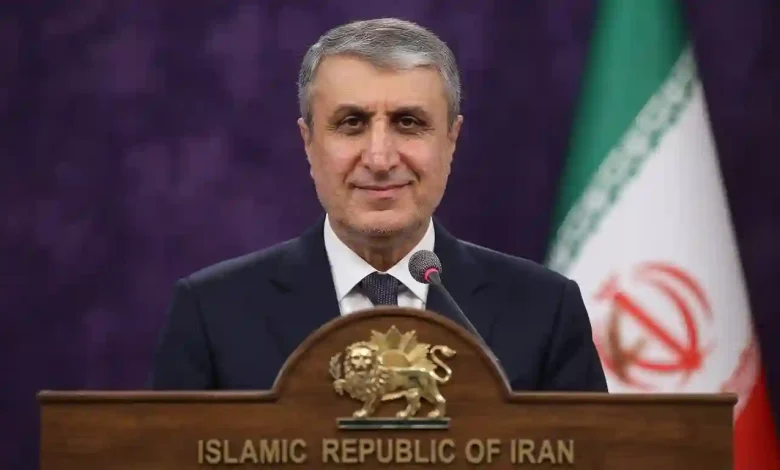
Table of Contents
Iran’s diplomatic representation on the global nuclear stage has faced a severe blow. The United States has successfully blocked Mohammad Eslami, the head of the Atomic Energy Organization of Iran (AEOI), from attending the International Atomic Energy Agency (IAEA) General Conference in Vienna. By opposing a necessary travel exemption under UN snapback sanctions, Washington has effectively shuttered Tehran’s highest nuclear official out of one of the most significant multilateral assemblies of the year. This move has sparked fierce criticism from Iranian officials and raised deep concerns over the future of diplomatic dialogues regarding the Middle Eastern country’s atomic ambitions.
The Diplomatic Clash in Vienna
The annual IAEA General Conference in Vienna is traditionally an arena where member states deliberate on nuclear safety, safeguards, and peaceful technology sharing. Mohammad Eslami was scheduled to lead the Iranian delegation and deliver an address highlighting Tehran’s perspective on international cooperative efforts. However, the onset of the conference on Monday was instantly overshadowed by a political dispute. The Iranian delegation announced that Eslami’s visa, which had originally been approved by Austria, was abruptly revoked prior to his scheduled arrival.
This sudden travel restriction highlights the growing global isolation faced by Iranian leadership amidst the restrictive U.S. sanctions on Iran that continue to target high-ranking officials. By refusing to waive the travel ban, the United States utilized its immense geopolitical leverage within the United Nations framework to enforce the strict limits of historical resolutions. The administrative denial emphasizes that diplomatic platforms, while theoretically neutral, remain battlegrounds for dominant geopolitical superpowers seeking to curb Tehran’s sphere of influence.
Understanding Snapback Sanctions and Travel Exemptions
To comprehend the legal mechanisms utilized to block Eslami’s attendance, one must analyze the complex architecture of UN Security Council Resolution 2231. Passed in 2015 to endorse the Joint Comprehensive Plan of Action (JCPOA), this resolution contains provisions for “snapback” sanctions. These snapback mechanisms allow for the automatic reinstatement of historical, pre-JCPOA United Nations sanctions if Iran is found to be in non-compliance with its nuclear commitments. The United States, despite leaving the agreement unilaterally in 2018 under the Trump administration, has continuously advocated for the maintenance and enforcement of these punitive policies.
Among the reinstated sanctions is a strict global travel ban on designated Iranian individuals, including those leading the nation’s nuclear infrastructure. For these individuals to attend international summits, the UN Security Council must grant a consensus-based travel exemption. By formally opposing this exemption, the United States closed the legal window that would have allowed Eslami to bypass the travel embargo. This action shows a calculated determination in enforcing strict economic measures and diplomatic blockades against any entities associated with Tehran’s complex state nuclear network.
Austria’s Visa Revocation and the Role of Host Countries
The sudden revocation of Eslami’s visa by Austria exposes the delicate position of host nations that house major international organizations. Vienna is home to one of the four main headquarters of the United Nations, alongside the IAEA. Historically, host countries are expected to facilitate the entry of delegates from all recognized member states to ensure that global dialogues can occur without bilateral political interference. This obligation often clashes with national security interests and broader alliance strategies.
Austria’s decision to revoke Eslami’s visa, reportedly following intense political pressure from Washington, highlights the limits of host-state neutrality in the modern geopolitical landscape. For European nations, balancing their commitments to multilateralism while maintaining alignment with American-led foreign policies represents an ongoing tightrope walk. This event has established a controversial precedent, signaling that participation in UN-affiliated forums is increasingly contingent upon complying with the sanctions regimes of powerful Western governments.
Tehran’s Furious Response and Official Retaliation Rhetoric
Tehran was quick to voice its anger, launching intense diplomatic protests on Monday morning as the IAEA conference commenced. Iranian diplomats in Vienna characterized the visa revocation as a cowardly act of political sabotage designed to silence their sovereign voice on the international stage. They argued that blocking a member nation’s primary nuclear representative undermines the very spirit of the IAEA and threatens to derail ongoing monitoring efforts.
This development comes during a period of highly U.S. and Iranian diplomatic friction. In statements released to state media, Iranian foreign ministry officials asserted that these diplomatic blockades would only stiffen their resolve. Rather than forcing concessions, the denial of access has fueled a more defensive posture in Tehran. Some analysts warn that such maneuvers may encourage Iran to reduce its transparency with the IAEA, further clouding the international community’s visibility into its future nuclear capabilities.
Broader Geopolitical Implications for Regional Security
The decision to block Eslami does not occur in a vacuum; it is deeply intertwined with the broader security dynamics of the Middle East. The region has been plagued by a protracted, ongoing regional standoff that involves multiple proxy wars and direct military posturing. In this volatile environment, the Iranian nuclear program remains one of the most sensitive flashpoints, with several Western nations and regional adversaries fearing the potential breakout of a nuclear-armed state.
By preventing direct diplomatic engagements at the IAEA, the channels for de-escalating these tensions are severely restricted. Proponents of the U.S. strategy argue that maximum pressure is the only viable method to force Iran back to the negotiating table. Conversely, critics suggest that systematically shutting down diplomatic pathways risks accelerating the conflict. Without direct communication, miscalculations among regional actors could trigger wider kinetic engagements, exacerbating escalating Middle East war tensions and threatening global energy security.
Comparative Positions: Key Global Actors
The diplomatic standoff in Vienna highlights the deep ideological divides between the key global actors involved in the Iranian nuclear issue. The following table provides an analytical overview of the positions and strategies maintained by the main parties involved in this latest diplomatic crisis:
| Actor | Primary Stance on the Vienna Incident | Strategic Objective | Key Policy Tool Utilized |
|---|---|---|---|
| United States | Opposed snapback sanctions travel exemptions; supported Eslami’s exclusion. | To isolate Tehran and force compliance with non-proliferation agreements. | UN Resolution 2231, unilateral sanctions, and diplomatic pressure. |
| Iran | Sought high-level representation at the IAEA; strongly protested the visa ban. | To assert sovereign rights, demonstrate technological progress, and bypass sanctions. | Diplomatic protests, domestic technological expansion, and IAEA monitoring leverage. |
| Austria (Host State) | Revoked Eslami’s visa after initial approval, citing compliance concerns. | To balance international host obligations with Western alliance commitments. | Visa issuance authority and national security regulations. |
| IAEA | Advocated for open dialogue and unimpeded participation of all member states. | To maintain inspection access and preserve a functional diplomatic forum. | Technical safeguards, neutral mediation, and multilateral consensus. |
As illustrated by the data above, the diverging priorities of these actors leave very little room for compromise. While the United States remains focused on economic and political isolation, Iran continues to adopt an assertive stance on nuclear development. The IAEA and the European host nation find themselves caught in the middle, attempting to preserve global monitoring protocols while navigating the intense diplomatic pressure of superpower rivalries.
What Lies Ahead for Global Non-Proliferation Efforts
With Eslami barred from the conference floor, the official Iranian response at the IAEA has been redirected through lower-level diplomats and written statements. However, the symbolic impact of this exclusion will likely resonate for months to come. It sends a clear message that the Western alliance is willing to enforce strict legal measures to deny Tehran legitimacy on the international stage. This could potentially prompt Tehran’s promises of severe retaliation in the form of reduced cooperation with international inspectors or increased uranium enrichment levels.
As global non-proliferation frameworks face unprecedented pressure, the breakdown of communication at the IAEA General Conference represents a worrying trend. If diplomatic summits cease to be inclusive venues for resolving security crises, the international community’s ability to peacefully manage nuclear proliferation will be severely compromised. The resolution of this ongoing dispute will depend heavily on whether international powers can find a path to constructive dialogue, or if the current trajectory toward escalation remains permanent.