Ceasefire in Iran: Nationwide Bank Reopenings Announced
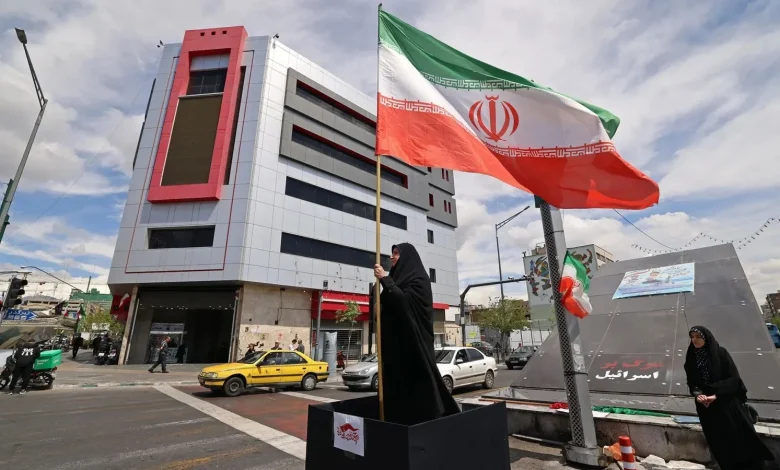
Ceasefire developments across the Middle East have triggered a massive wave of economic restructuring, beginning with the momentous announcement that Iran’s bank branches will officially reopen nationwide starting tomorrow. This critical step toward financial normalcy comes as a direct result of the comprehensive peace agreements signed following months of intense regional conflict. The reopening of these vital financial arteries signifies more than just the resumption of commercial banking; it represents a psychological turning point for a populace that has endured severe economic anxieties under the shadow of war. As the Iranian government attempts to stabilize its domestic markets, the sudden influx of liquidity and the restoration of public confidence will undoubtedly serve as the ultimate test of this newly minted ceasefire. The return to normalcy in Iran is not merely a domestic issue; it carries profound implications for global markets, energy sectors, and international diplomacy. Yet, alongside this economic revival, severe questions remain regarding press freedom, the safety of international observers, and the lingering political tensions stemming from the explosive events of early 2026.
Ceasefire Brings Unprecedented Economic Revival to Iran
The restoration of daily banking services is poised to inject a much-needed lifeline into an economy that was effectively paralyzed during the height of the military escalations. Central Bank of Iran authorities have spent the past several days coordinating logistical frameworks to ensure that physical cash reserves, digital infrastructure, and branch security protocols are fully operational by tomorrow morning. Financial institutions across the country, from the bustling metropolitan centers of Tehran and Isfahan to the more remote provincial hubs, have been on high alert, preparing their staff for what is anticipated to be a massive influx of customers seeking to secure their assets, withdraw physical currency, or process long-delayed business transactions. This nationwide reopening acts as the cornerstone of the government’s broader economic recovery plan. The cessation of hostilities has effectively lowered the existential risk premium that had severely devalued the national currency and driven inflation to unprecedented heights. However, reversing the economic damage inflicted during the conflict will require sustained stability, transparent fiscal policies, and potentially the easing of international sanctions that have long choked the Iranian economy.
Nationwide Bank Branches Resume Full Operations
Logistically, reopening thousands of bank branches simultaneously represents a monumental undertaking for the Iranian financial sector. During the peak of the crisis, when the threat of infrastructural targeting was at its zenith, the majority of physical banking operations were entirely suspended. Citizens were forced to rely on limited and often unreliable digital banking platforms, which themselves were subject to internet throttling and cyber-security vulnerabilities. Starting tomorrow, tellers, branch managers, and security personnel will return to their posts under the new directives issued by the Ministry of Economic Affairs and Finance. Heavy security presences are expected at major branches to prevent bank runs and maintain orderly conduct as citizens rush to access their accounts. Financial analysts predict a short-term volatility in the domestic market as pent-up demand for hard currency and gold is finally unleashed. However, the Central Bank has assured the public that sufficient reserves have been mobilized to meet this initial surge without triggering systemic liquidity crises. The successful execution of this reopening phase will be heavily scrutinized by global economic observers, as it serves as a reliable barometer for the state’s capacity to govern effectively in a post-conflict environment.
The Impact on Local Businesses and the General Public
For the average Iranian citizen and local business owner, the reopening of the banks is nothing short of a desperate necessity. The suspension of banking services created massive bottlenecks in supply chains, preventing merchants from paying suppliers, clearing imports, and meeting payroll obligations. The traditional bazaars, which serve as the beating heart of Iran’s domestic commerce, ground to a halt as cash flow evaporated and credit lines were frozen. Small and medium-sized enterprises (SMEs), which form the backbone of the domestic economy, bore the brunt of this paralysis. The inability to process letters of credit or access working capital led to widespread temporary closures and furloughs. With the banks reopening tomorrow, there is a palpable sense of relief among the merchant class. However, the psychological scars of the recent conflict run deep. Many business owners are proceeding with extreme caution, prioritizing asset preservation and risk mitigation over expansion or investment. The long-term recovery of consumer confidence will depend heavily on whether the ceasefire holds and whether the government can implement meaningful reforms to combat inflation and restore purchasing power. As highlighted by the Bank of England’s prior warnings regarding the financial crisis and U.S.-Iran war, the economic ripples of this conflict extended far beyond Iran’s borders, emphasizing the global interconnectedness of regional stability.
Analyzing the Geopolitical Shifts Post-Ceasefire
The geopolitical landscape of the Middle East has been fundamentally altered by the events leading up to this ceasefire. The agreement itself is a complex tapestry of mutual concessions, security guarantees, and carefully calibrated diplomatic rhetoric. For the ruling establishment in Tehran, securing a cessation of hostilities was imperative not only for national security but also for domestic political survival. The immense pressure of a multi-front conflict, coupled with severe economic distress, had pushed the internal cohesion of the state to its absolute limits. By agreeing to the ceasefire, the leadership has bought itself critical time to consolidate power, rebuild depleted military infrastructure, and attempt to placate an increasingly restive public. Yet, the underlying issues that sparked the conflict remain largely unresolved. The strategic rivalry with the United States and its regional allies persists, and the ideological imperatives of the state continue to dictate its foreign policy objectives. Observers are closely monitoring the implementation phases of the ceasefire to determine whether it represents a genuine strategic pivot toward diplomacy or merely a tactical pause to allow for rearmament and economic stabilization.
Transitioning from January’s Escalations to Regional Stability
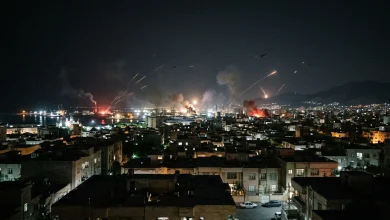
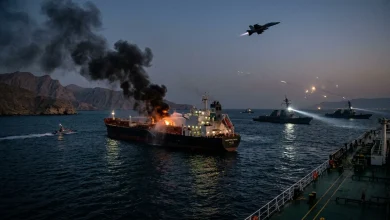
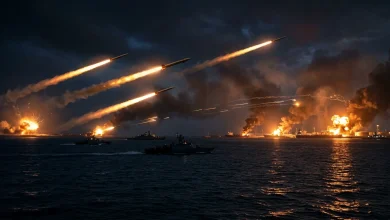
To fully grasp the significance of tomorrow’s bank reopenings, one must contextualize the sheer intensity of the escalations witnessed in January. The region stood on the precipice of an all-out conventional war, characterized by unprecedented military exchanges and aggressive posturing. The strategic updates and escalations surrounding the U.S.-Iran war in 2026 dominated global headlines, as military assets from multiple nations were mobilized in anticipation of a broader conflagration. The targeted strikes and retaliatory measures created an environment of profound uncertainty, severely disrupting maritime trade routes, energy markets, and civilian aviation. The transition from this state of hyper-militarization to the current ceasefire has been remarkably rapid, driven by intense behind-the-scenes negotiations brokered by neutral third parties. The de-escalation process requires careful choreography to ensure that neither side appears to be capitulating, thereby satisfying domestic political audiences while fulfilling international obligations. The successful reopening of Iran’s civilian infrastructure, starting with its banking sector, is a crucial metric of this transition, signaling a shift in focus from military mobilization to civilian reconstruction.
The Role of International Negotiations in Securing the Peace
The architecture of the current ceasefire is the product of exhaustive and often fraught international diplomacy. Diplomats from regional powers, European intermediaries, and international organizations worked tirelessly to establish back-channel communications and negotiate the parameters of the de-escalation. The resulting framework demands strict compliance with agreed-upon troop withdrawals, the cessation of proxy hostilities, and the resumption of civilian economic activities. As part of these diplomatic efforts, significant attention was placed on the actions of the Islamic Revolutionary Guard Corps (IRGC). For example, earlier in the conflict, the IRGC declarations targeting U.S. and Israeli universities dramatically raised the stakes, framing the conflict in starkly ideological and asymmetric terms. Bringing such deeply entrenched actors to the negotiating table required a combination of severe economic pressure, the credible threat of overwhelming military force, and the offer of tangible diplomatic off-ramps. The sustainability of the peace agreement will hinge on the continued engagement of these international mediators and the establishment of robust verification mechanisms to monitor compliance and address inevitable infractions before they escalate.
Journalistic Endeavors and the Pursuit of Truth in Tehran
As the drums of war recede and normalcy slowly begins to return to Iran, the imperative for independent journalistic coverage becomes ever more critical. As a correspondent and geopolitical analyst who has extensively covered these events, the prospect of traveling to Tehran in the coming weeks is both professionally vital and personally daunting. The goal is to provide ground-truth reporting on the economic recovery, the public sentiment, and the inner workings of the political establishment post-ceasefire. Securing interviews with top leaders and policymakers would offer invaluable insights into the strategic calculus that led to the peace agreement and the future trajectory of the nation. However, the environment for foreign journalists in Iran remains notoriously hostile and unpredictable. Despite the outward projection of normalcy accompanying the reopening of banks and civilian infrastructure, the state’s internal security apparatus remains highly vigilant and deeply suspicious of foreign media. Navigating this landscape requires a delicate balance of journalistic determination, stringent security protocols, and an acute awareness of the legal and political risks involved in reporting from within the country.
Navigating Personal Risks and Potential Arrest Concerns
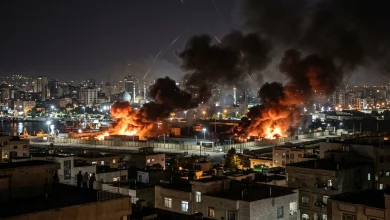
The primary concern for any journalist entering Iran post-conflict is the entirely legitimate fear of detention, interrogation, or worse. Given my extensive and critical coverage of the Iranian government’s actions during the height of the crisis, including detailed analyses of military operations such as the Iranian missile barrage that struck the Beersheba chemical plant, my professional profile is well-documented by state intelligence services. My position on those January attacks—condemning the reckless escalation and the targeting of civilian infrastructure—has not changed, nor has it been softened in the wake of the ceasefire. This steadfast editorial stance places me at significant risk of being labeled a foreign agent or a threat to national security, charges that are routinely leveled against critical journalists by the Iranian judiciary. The anxiety surrounding potential arrest is not unfounded; the history of foreign correspondents being used as political pawns or leverage in international disputes is a well-documented tactic. As Amnesty International reports on press freedom frequently highlight, the legal framework governing media in Iran provides virtually no protection for independent journalists, leaving them exposed to arbitrary detention and opaque legal proceedings.
Interviewing Top Leaders: An Ambitious Objective
Despite these formidable risks, the objective of securing face-to-face interviews with high-ranking Iranian officials remains a top priority. In the aftermath of the ceasefire, the leadership in Tehran may be looking to project an image of confidence, stability, and diplomatic reasonableness to the international community. Granting access to Western journalists could serve this strategic narrative, allowing them to articulate their perspectives on the conflict, the peace process, and the economic recovery efforts directly to a global audience. However, these interactions are heavily managed and tightly controlled by the Ministry of Culture and Islamic Guidance, and the Islamic Revolutionary Guard Corps’ intelligence wing. Any prospective interview would undoubtedly involve extensive pre-screening, restrictive ground rules, and the constant threat of immediate deportation or detention should the questioning cross an invisible red line. The challenge lies in conducting rigorous, uncompromising journalism while navigating the complex web of censorship and state surveillance. If successful, these interviews could provide crucial context for understanding Iran’s future behavior on the world stage; if unsuccessful, the attempt alone underscores the enduring barriers to transparency in the region.
Assessing Iran’s Economic Stability in the Coming Months
The reopening of the banks tomorrow is the first step in a long and arduous journey toward economic stabilization. While the immediate return of liquidity will provide short-term relief, the structural deficiencies of the Iranian economy—exacerbated by years of sanctions and the recent military conflict—require comprehensive and sustained reform. Inflation remains a crushing burden on the populace, eroding purchasing power and driving millions below the poverty line. The government must strike a delicate balance between stimulating economic growth through government spending and containing inflationary pressures through restrictive monetary policies. The success of these efforts will depend largely on the resumption of oil exports, the stabilization of the rial, and the government’s ability to attract foreign direct investment in a high-risk environment. Furthermore, the domestic political landscape will heavily influence economic policy; public dissatisfaction with economic mismanagement could trigger renewed social unrest, threatening the fragile stability achieved by the ceasefire. Analysts will be closely monitoring key economic indicators over the coming months to assess the viability of the government’s recovery strategy.
Data Analysis: Pre-War vs Post-Ceasefire Financial Metrics
To fully understand the economic trajectory of Iran in this critical period, it is essential to analyze the stark contrast in financial metrics before the conflict escalated, during the peak of the crisis, and the projected figures following the nationwide bank reopenings. The data illustrates the severe impact of the war on banking liquidity and market confidence, as well as the expected baseline for recovery.
| Economic Indicator | Pre-Conflict (Dec 2025) | Peak Escalation (Jan 2026) | Post-Ceasefire Projections (Apr 2026) |
|---|---|---|---|
| Bank Branch Operations | 98% Fully Operational | 15% Operational (Digital Only) | 100% Nationwide Reopening |
| Central Bank Liquidity Index | Moderate / Stable | Critical Shortage / Frozen Assets | Gradual Stabilization Phase |
| Rial to USD Exchange Volatility | High (Standard Inflation) | Extreme (Hyper-inflationary Spikes) | Moderate (Controlled by CBI Interventions) |
| Foreign Direct Investment Sentiment | Poor (Sanctions Impact) | Non-Existent (War Zone Status) | Cautiously Optimistic (Dependent on Peace) |
| Supply Chain Credit Approvals | Functioning with Delays | Completely Suspended | Resuming under New Strict Guidelines |
This empirical analysis underscores the fragility of the banking ecosystem. The sudden drop to merely 15% operational capacity during the January escalations highlights why tomorrow’s nationwide reopening is viewed as a monumental event for the Iranian public. The data clearly demonstrates that while the physical infrastructure of the banks is returning, the psychological and financial metrics, such as the Rial’s volatility and the supply chain credit approvals, will take significantly longer to normalize.
The Path Forward: Will True Normalcy Prevail?
The overarching question as Iran’s bank branches unlock their doors tomorrow is whether this represents a genuine return to normalcy or merely a temporary reprieve in an inherently unstable region. True economic and social normalcy requires more than just the resumption of commercial transactions; it necessitates a foundational level of trust between the government and its citizens, as well as a stable and predictable geopolitical environment. The ceasefire has provided the necessary space for recovery, but the deep-seated grievances, economic disparities, and political repressions that fueled the preceding crisis remain unaddressed. For international journalists aiming to document this transition, the coming months will be a severe test of endurance, courage, and professional integrity. Traveling to Tehran involves navigating a labyrinth of legal threats and physical risks, weighed against the profound journalistic obligation to bear witness to a nation at a historical crossroads. As the tellers return to their counters and the citizens of Iran queue to reclaim their financial livelihoods, the world watches closely, hoping that the peace holds, but acutely aware of the historical volatility that defines the region. The journey toward true stability has only just begun.