Iran oil: Ambassador to India Outlines Supply Amid Strait Crisis
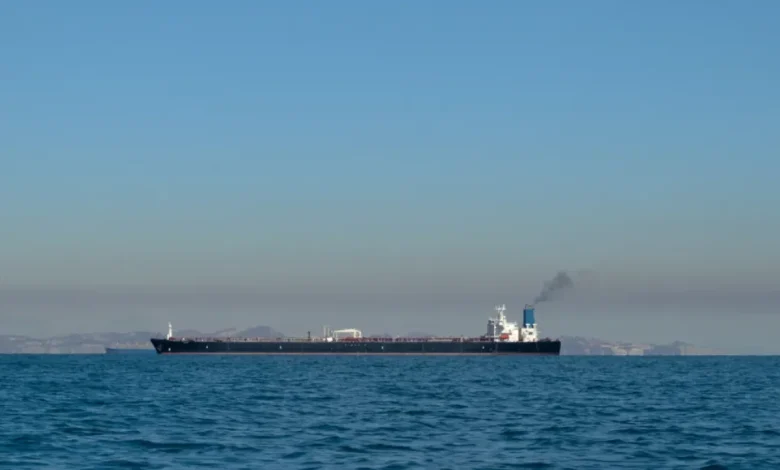
Iran oil remains at the absolute epicenter of the global energy narrative, serving as a critical fulcrum in a deeply interconnected geopolitical landscape. In a dramatic diplomatic maneuver that has sent ripples through international markets, Iran’s ambassador to India recently delivered an unequivocal message to the world: Tehran’s vast petroleum reserves are fully available, and the nation is entirely prepared to sell its crude to any willing international buyer. However, the audacious statement arrives heavily laden with a staggering logistical and military caveat—navigating the treacherous and highly militarized waters of the Strait of Hormuz. The sheer volume of crude waiting in Iranian reserves is tantalizing for a global economy desperately seeking affordable energy, yet the operational reality of extracting and exporting this oil presents one of the most formidable geopolitical challenges of the twenty-first century.
The Ambassador’s Bold Declaration in New Delhi
The diplomatic corridors of New Delhi recently served as the stage for a profound geopolitical proclamation. The Iranian ambassador, speaking to a cadre of international journalists and energy policy analysts, articulated a vision of Iran not as an isolated pariah state, but as a willing and capable energy partner ready to stabilize volatile global markets. By explicitly stating that the petroleum is readily available for purchase, Tehran is executing a calculated diplomatic offensive designed to shift the burden of economic sanctions onto the international community. The underlying message is stark: Iran is not withholding its resources; rather, it is external geopolitical frameworks that are preventing the world from accessing affordable energy. This narrative is specifically tailored to appeal to rapidly developing economies like India, which possess an insatiable appetite for crude oil to fuel their industrial expansion and urban growth.
Strategic Timing of the Announcement
The timing of this bold declaration is anything but coincidental. It aligns perfectly with a period of severe distress in global macroeconomic indicators, where inflation and supply chain disruptions have left major consuming nations vulnerable. By positioning Tehran as a reliable supplier, the ambassador is attempting to leverage the economic anxieties of the developing world against the political architectures maintained by Western powers. The speech also subtly highlighted recent domestic economic recalibrations within Iran, suggesting that the nation has fortified its internal banking and operational structures to facilitate international trade despite punitive measures. This external posturing is an essential component of Iran’s broader strategy to decouple its economic survival from Western approval, fostering bilateral trade agreements that bypass traditional financial clearinghouses.
The Strait of Hormuz: A Choke Point Under Pressure
While the ambassador’s invitation to global buyers sounds economically inviting, the geographical reality of the Strait of Hormuz immediately dampens such optimism. The Strait is a narrow, V-shaped waterway connecting the Persian Gulf to the Gulf of Oman and the Arabian Sea. At its narrowest point, it is merely 21 miles wide, with shipping lanes in both directions restricted to just two miles wide to accommodate massive very large crude carriers (VLCCs). This severe geographical bottleneck means that any vessel attempting to export Iranian petroleum must navigate an incredibly constrained and highly monitored maritime corridor. The ambassador’s implicit challenge—”good luck getting it out of the Strait”—is a stark reminder of Tehran’s asymmetric naval capabilities and the inherent fragility of global maritime transit routes.
Military Deployments and Escalating Tensions
The military density in and around the Strait of Hormuz is unprecedented. Multinational naval task forces constantly patrol the waters, attempting to secure the transit of commercial vessels. However, these patrols operate in a state of perpetual high alert due to the sophisticated anti-access/area-denial (A2/AD) capabilities deployed along the Iranian coastline. Fast attack craft, coastal defense cruise missiles, and advanced naval mine deployment systems represent a continuous and existential threat to commercial shipping. The persistent escalating hostilities and strategic updates in the region ensure that any attempt to normalize the export of Iranian oil will inevitably intersect with deep-rooted military standoffs. For commercial operators, the risk of getting caught in the crossfire of a sudden regional escalation transforms the physical act of moving oil from a standard logistical procedure into a high-stakes military gamble.
Global Energy Markets React to Tehran’s Offer
The immediate reaction from global energy markets to the ambassador’s overture has been a complex mixture of skepticism and calculated opportunism. Commodities traders understand that the injection of millions of barrels of Iranian crude into the legitimate market could significantly alter current pricing paradigms. However, the physical reality of the export constraints heavily discounts this potential. The market is already navigating complex variables, and as highlighted by analyses of how crude prices and market volatility remain stubbornly detached from standard supply metrics, traders are wary of pricing in oil that cannot physically reach its destination. The promise of cheap oil is economically alluring, but until a secure maritime corridor is guaranteed, the risk premiums attached to Persian Gulf transit will remain exorbitantly high.
Global Maritime Chokepoints by Daily Oil Transit Volume
To fully grasp the magnitude of the Strait of Hormuz’s importance compared to other global transit routes, one must examine the sheer volume of hydrocarbons that pass through its narrow waters daily.
| Maritime Chokepoint | Location | Daily Transit Volume (Million bpd) | Primary Strategic Vulnerability |
|---|---|---|---|
| Strait of Hormuz | Persian Gulf / Gulf of Oman | ~21.0 | Military escalation, naval mines, narrow shipping lanes |
| Strait of Malacca | Indian Ocean / Pacific Ocean | ~16.0 | Piracy, extreme congestion, territorial disputes |
| Suez Canal / SUMED Pipeline | Red Sea / Mediterranean | ~9.0 | Blockages (e.g., Ever Given), regional instability |
| Bab el-Mandeb | Horn of Africa / Middle East | ~6.2 | Asymmetric drone and missile attacks |
| Bosporus Straits | Black Sea / Mediterranean | ~3.0 | Geopolitical tensions, strict navigational regulations |
India’s Delicate Diplomatic Balancing Act
For India, the host nation of the ambassador’s stunning declaration, the situation represents a profound diplomatic and economic tightrope. As the world’s third-largest energy consumer, India imports over 80% of its crude oil requirements. Historically, Iranian oil was highly favored by Indian refineries due to the favorable credit terms, geographical proximity, and the specific chemical composition of the crude. The prospect of renewing these massive import volumes is highly attractive to a government focused on managing domestic inflation and sustaining rapid industrialization. However, New Delhi must continuously balance its historical and economic ties with Tehran against its strategic partnerships with Western nations. Yielding entirely to the Iranian offer risks invoking secondary sanctions that could cripple India’s access to the global financial system.
Historical Energy Ties Between New Delhi and Tehran
The historical context of India-Iran relations adds a layer of deep complexity to the current scenario. Projects like the Chabahar Port were explicitly designed to create alternative economic corridors that bypass volatile transit routes. Yet, when it comes to raw petroleum shipments, maritime transit remains irreplaceable. India’s historical willingness to utilize rupee-rial payment mechanisms has previously demonstrated a capacity to sidestep dollar-dominated financial systems. The ambassador’s remarks in New Delhi were a calculated reminder of this past cooperation, effectively daring the Indian government to resurrect these alternative trading frameworks. How India navigates this specific diplomatic overture will serve as a critical bellwether for other developing nations considering a pivot toward heavily sanctioned petroleum sources.
Sanctions, Shipping Insurance, and Logistics
Beyond the immediate military threats in the Strait of Hormuz, the invisible architecture of international sanctions creates an equally formidable barrier to the ambassador’s promise of free-flowing oil. The global maritime industry is heavily reliant on a concentrated network of insurance providers, predominantly based in Europe and the United Kingdom. These Protection and Indemnity (P&I) clubs are strictly bound by international sanctions regimes. Consequently, any vessel caught transporting illicit Iranian crude faces the immediate revocation of its insurance coverage. Without comprehensive maritime insurance, ships cannot legally enter most global ports, nor can they secure letters of credit for their cargo. This financial and legal blockade effectively traps the oil within the Persian Gulf, regardless of Tehran’s willingness to sell.
The Shadow Fleet Phenomenon
To circumvent these massive logistical and financial blockades, Iran has increasingly relied on the proliferation of the so-called “shadow fleet.” This consists of aging, heavily disguised tankers that operate outside traditional regulatory frameworks. These vessels routinely engage in dangerous practices such as disabling their Automatic Identification Systems (AIS), executing mid-ocean ship-to-ship transfers, and utilizing complex layers of shell companies to obscure the origin of their cargo. While the shadow fleet ensures that a certain baseline of Iranian oil continues to reach covert buyers, it is a highly inefficient, environmentally hazardous, and incredibly expensive method of export. The ambassador’s vision of an open and unhindered global market for Iranian oil cannot be actualized through the shadow fleet alone; it requires the normalization of maritime transit, which remains blocked by the geopolitical standoff in the Strait.
International Repercussions and Future Prospects
The profound international repercussions of the ambassador’s statements extend far beyond bilateral India-Iran relations. The declaration forces a global reckoning regarding energy security and the efficacy of economic sanctions. As nations grapple with overlapping crises, including broader proxy conflicts and ceasefire warnings across the Middle East, the structural vulnerabilities of the global energy supply chain are brought into sharp relief. Furthermore, major analytical bodies, such as the International Energy Agency, continue to monitor these developments, knowing that any disruption or sudden influx of supply in the Persian Gulf will force an immediate recalibration of global strategic petroleum reserves.
Ultimately, the Iranian ambassador’s message is a masterclass in geopolitical theater—a factual assertion wrapped in an insurmountable strategic riddle. Yes, the oil is unquestionably there, waiting in vast subterranean reservoirs and floating storage facilities. Yes, Tehran possesses the political will to commodify this vital resource to bolster its sanctioned economy. But the physical act of traversing the heavily contested, densely militarized, and strategically critical Strait of Hormuz remains the ultimate barrier. Until the overarching geopolitical deadlock is resolved, the world will be forced to watch millions of barrels of accessible energy remain tantalizingly out of reach, trapped behind the invisible but impenetrable walls of global diplomacy and maritime security.