Heidi Overton FDA Confirmation Hearing: Senate Battle Ahead 2026
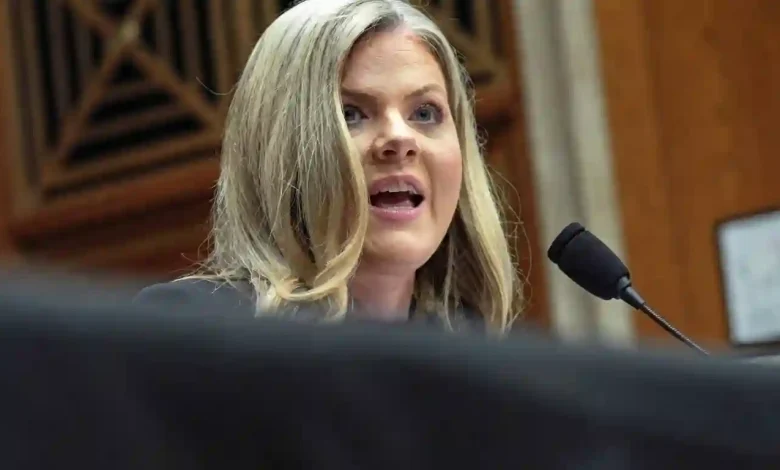
Table of Contents
Heidi Overton faces one of the most contentious legislative gauntlets in modern federal health oversight as the United States Senate Committee on Health, Education, Labor, and Pensions (HELP) convenes to evaluate her nomination to lead the Food and Drug Administration. Selected by President Donald Trump to steer an agency managing more than a trillion dollars in consumer goods, biological therapies, and medical devices, the former White House domestic policy aide enters the hearing room at a moment defined by acute organizational strain and sharp ideological divisions. Lawmakers are preparing to interrogate the nominee on a vast spectrum of critical public health challenges, ranging from staff retention and institutional independence to regulatory battles surrounding reproductive therapeutics and pediatric vaccination schedules.
Senate Confirmation Overview: A High-Stakes FDA Hearing
The Senate HELP Committee’s scheduled hearing represents a definitive turning point for federal health policy. While the committee concurrently considers advancing the administration’s nominee for Surgeon General, the spotlight rests squarely on the prospective FDA commissioner. The agency’s regulatory purview directly touches roughly twenty cents of every consumer dollar spent in the United States, granting its leader unparalleled power over food safety, medical innovation, and clinical practice standards.
Overton’s nomination follows months of administrative upheaval. Observers view the upcoming inquiry not merely as an evaluation of a single nominee’s qualifications, but as an audit of the administration’s broader vision for regulatory medicine. The confirmation process will test whether an “America First” healthcare architect can build bipartisan confidence while navigating complex statutory obligations, rigorous epidemiological standards, and heightened legislative skepticism.
Who Is Heidi Overton?
Heidi Overton is a physician and healthcare policy analyst who has steadily moved through the upper echelons of conservative health advisory circles. Trained in general surgery and preventive medicine, Overton completed her clinical and doctoral studies with a focus on health services research, regulatory policy, and clinical quality improvement. Her intellectual trajectory has emphasized healthcare transparency, market-driven delivery reforms, and reducing the administrative footprint of federal oversight bodies.
White House Policy Background and America First Credentials
During her tenure as a senior White House policy adviser, Overton played a key role in drafting executive initiatives designed to foster domestic drug manufacturing, streamline supply chain dependencies, and reform biomedical review pipelines. Her alignment with the America First policy framework has positioned her as an ideological standard-bearer capable of challenging standard administrative procedures. Proponents applaud her commitment to deregulation and domestic commercial resilience, while critics question whether her political alignment could interfere with the FDA’s long-standing gold standard of scientific neutrality.
Her institutional vision focuses heavily on re-engineering internal agency incentives. Rather than allowing application backlogs to delay patient access to life-saving breakthroughs, Overton has consistently favored alternative review mechanisms and expanded real-world evidence integration, policies that will undergo intense scrutiny during the hearing.
An Agency Under Siege: Staff Turnover and Low Morale
The FDA that Overton seeks to inherit is struggling with internal destabilization. Over the past two years, the agency has contended with a noticeable exodus of career scientists, medical reviewers, and specialized biostatisticians. Senior regulators have departed for lucrative private sector positions or academic roles, citing bureaucratic burnout, compensation disparities, and the exhaustion of persistent political scrutiny amid broader political pressure facing federal health agencies.
Workforce Drain and Institutional Memory
The loss of seasoned reviewers in the Center for Drug Evaluation and Research (CDER) and the Center for Biologics Evaluation and Research (CBER) has visibly slowed review timelines for complex applications. Junior review teams increasingly find themselves under intense workloads, creating downstream friction with pharmaceutical sponsors. When key personnel depart, irreplaceable institutional memory concerning past clinical trial protocols and post-market safety trends vanishes with them.
Rebuilding morale will require more than rhetoric. Overton will be pressed by both sides of the aisle to deliver a concrete workforce revitalization roadmap that includes streamlined civil service hiring, competitive technical compensation packages, and concrete commitments to insulate career staff from external political pressure.
Core Regulatory Battlegrounds
Policy debates over the scope of the FDA’s mandate are set to dominate the confirmation proceedings. The hearing occurs against a backdrop of intensifying legal, social, and legislative battles regarding drug access, efficacy standards, and federal preemption.
The Abortion Pill and Reproductive Healthcare Disputes
Few topics evoke more political heat than the regulatory status of mifepristone, the primary pharmaceutical agent utilized in medical abortions. In recent years, access to the medication has triggered protracted litigation, culminating in Supreme Court appeals and disputes over risk evaluation and mitigation strategies (REMS). Committee Democrats are certain to demand explicit assurances from Overton regarding whether the FDA will maintain established distribution protocols, including telemedicine prescriptions and mail-order delivery, or whether her leadership would initiate administrative reviews to restrict access.
Conservative lawmakers, conversely, intend to question the historical rigor of the agency’s safety surveillance regarding mifepristone. Overton will be forced to balance legal precedents, statutory safety obligations, and the political expectations of the administration that selected her.
Vaccine Oversight and Public Trust
Public confidence in immunization programs has eroded significantly over recent regulatory cycles. Amid declining public vaccine confidence and recurring measles outbreaks across multiple states, the role of the FDA’s Vaccines and Related Biological Products Advisory Committee (VRBPAC) has become heavily politicized. Senators will probe Overton’s stance on accelerated approval pathways for seasonal boosters, adolescent vaccine mandates, and the transparent release of clinical safety data.
The nominee’s responses will signal whether the agency under her watch will double down on conventional advisory board frameworks or introduce revised safety metrics that could fundamentally alter how prophylactic therapies secure market clearance.
Drug Approvals and Regulatory Acceleration
Balancing patient safety against the demand for early access to transformative therapeutics remains the central paradox of FDA administration. Overton has championed policies intended to lower barriers for rare disease treatments, oncological therapies, and non-traditional compounds. Her platform aligns with recent controversies where advanced diagnostic platforms require rigorous FDA diagnostic validation protocols to prevent premature market rollouts.
Simultaneously, the agency faces complex challenges in managing special therapeutic classes. There has been intense debate over compounding peptides regulatory scrutiny and internal scientific conflicts that led to disputes among FDA scientific review boards. The nominee must articulate where she draws the line between genuine regulatory modernization and the preservation of statutory safety bars, especially after recent cycles witnessed major shifts in FDA policy guidance across multiple commercial product divisions.
Parallel Track: The Surgeon General Nomination
While the HELP Committee focuses heavily on Overton, the hearing also serves to advance the administration’s nominee for Surgeon General. Often characterized as the nation’s chief doctor, the Surgeon General holds a symbolic yet influential bully pulpit that shapes community public health campaigns, nutritional guidelines, and national addiction initiatives.
The alignment between the prospective FDA Commissioner and the Surgeon General nominee will demonstrate how effectively the administration plans to coordinate federal healthcare messaging. Lawmakers are keen to evaluate whether the two nominees share a cohesive strategy on combating chronic disease, managing behavioral health emergencies, and restoring integrity to official public health communications.
Senate Committee Dynamics and Confirmation Metrics
Senate HELP Committee margins are tight, leaving minimal room for political miscalculation. Overton needs disciplined messaging that reassures moderate senators while preserving the support of her core conservative base.
| Policy Issue | Administrative Objective | Key Senate Concerns | Anticipated Regulatory Impact |
|---|---|---|---|
| Workforce Restoration | Streamline hiring protocols and reduce bureaucratic delays | Brain drain of senior career scientists and reviewers | Standardized CDER/CBER review efficiency and shortened backlogs |
| Reproductive Therapeutics | Re-evaluate REMS safety data and historical approvals | Preservation of nationwide mail-order and telehealth access | Potential changes to state distribution limits and labeling |
| Vaccine Review Protocols | Enhance public data transparency and independent audits | Risk of legitimizing vaccine hesitancy and lowering uptake | Stricter advisory committee standards for future biologics |
| Compound Manufacturing | Promote domestic manufacturing and bio-resilience | Compounding oversight and off-label therapeutic controls | Tighter supply chains and revised compliance frameworks |
To secure a positive recommendation, Overton must convince lawmakers that her primary fidelity lies with verifiable science rather than transient political agendas. With several key swing votes closely watching her performance, even modest hesitations regarding statutory authorities could complicate her path to a full Senate floor vote.
The Road Ahead for FDA Governance
Should Overton win confirmation, she will inherit an institution standing at a historical crossroad. Rapid advancements in artificial intelligence, personalized gene therapies, and mRNA-based platforms are redefining the frontiers of biomedical science. Effectively regulating these transformative technologies requires dynamic, scientifically sophisticated leadership that commands respect from academic researchers, corporate innovators, and the general public alike.
The forthcoming Senate HELP Committee hearing will reveal whether Heidi Overton possesses the rare blend of managerial discipline, scientific acumen, and political savvy necessary to steady an agency vital to the nation’s health and security.