Asana Tanker Seized in Gulf of Aden Amid Red Sea Escalation 2026
Table of Contents
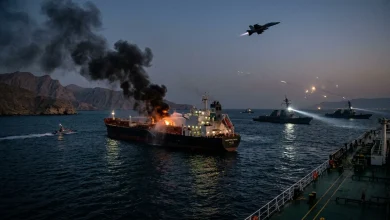
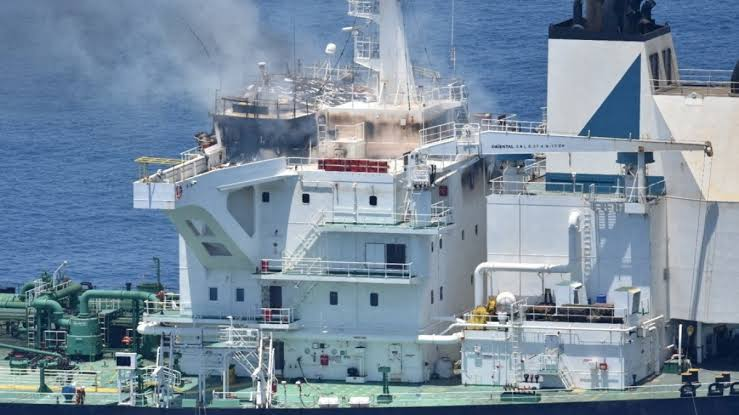
Asana, a small chemical products tanker, was boarded and seized by unauthorized armed personnel in the Gulf of Aden on Friday, July 17, 2026, triggering an immediate security alert across one of the world’s most critical maritime corridors. The incident occurred approximately 65 nautical miles south of Yemen’s Al Mukalla port, an area historically prone to regional conflict and maritime piracy. According to reports from maritime security organizations and international defense monitors, the vessel was boarded by unidentified attackers who succeeded in taking full control of the ship. This development comes at a highly volatile time, as tensions escalate across the Middle East with ongoing military strikes and mounting threats to commercial shipping routes.
Tanker :Introduction to the Seizure of the Asana
The hijacking of the chemical tanker has sent shockwaves through the maritime industry, which is already grappling with systemic vulnerabilities in the Red Sea and surrounding waterways. Security agencies have closely monitored the situation since the vessel first issued distress signals. Early assessments suggest that while the geopolitical theater in Yemen is dominated by state-aligned militia activity, the seizing of this specific vessel may point to a resurgence of regional criminal networks exploiting the security vacuum created by wider international conflicts. At the same time, regional analysts remind observers of previous unrest and diplomatic negotiations involving Iran, which often shift rapidly, directly influencing how maritime security is managed globally.
Tanker :Technical Specifications and Route of the Hijacked Vessel
Understanding the operational profile of the hijacked vessel is critical to assessing why it became a target. The chemical tanker is a relatively small vessel designed for regional transport of liquid chemical products. Such ships often operate with smaller crews and lower freeboards compared to massive container ships, making them more susceptible to boarding actions by agile, maritime attackers operating from skiffs.
Tracking the Journey to Bosaso, Somalia
According to ship-tracking data, the tanker was transiting east through the Gulf of Aden. Its designated destination was the Somali port of Bosaso, a key trade hub in the semi-autonomous region of Puntland. The route through the Gulf of Aden requires vessels to navigate a narrow corridor flanked by the southern coast of Yemen and the northern coast of the Horn of Africa. This geography naturally funnels maritime traffic, creating strategic choke points that opportunistic actors have historically exploited. Because the vessel was heading toward Somalia, maritime security firms suggest that the attackers’ primary motive may have been to steer the ship toward Somali waters to secure a ransom, a classic tactic of East African piracy networks.
The Lack of a Verified Flag and Operational Background
At the time of the boarding, the vessel did not carry a verified registered flag, according to several international maritime databases, though some sources recently associated the vessel with a Tanzanian registration. The lack of a clear, confirmed flag can complicate the legal and military response to a high-seas hijacking, as flag states typically bear primary responsibility for initiating rescue operations and seeking legal recourse. Shipping databases list the vessel’s operator as Marshall Islands-based Exon Energy, a commercial entity that could not be reached immediately for comment following the incident. This registry profile underscores the complex, multinational web of modern commercial shipping, which often hinders rapid coordinated intervention during emergencies.
Details of the Seizure in the Gulf of Aden
The actual boarding occurred during the early morning hours on Friday, under conditions that allowed the assailants to approach the tanker undetected. Security analysts believe the attackers used high-speed skiffs, a common methodology in the Gulf of Aden, to draw alongside the vessel before using ladders to scale the ship’s sides and overpower the crew.
The Role of the United Kingdom Maritime Trade Operations (UKMTO)
The United Kingdom Maritime Trade Operations (UKMTO), which serves as a vital point of contact for merchant shipping and military forces in the region, was among the first to formally report the incident. UKMTO confirmed that unauthorized personnel had successfully boarded the vessel 65 nautical miles south of Yemen’s Al Mukalla port. The agency issued an advisory warning other ships transiting the area to exercise extreme caution and report any suspicious activity. This alert highlighted the persistent danger facing merchant crews operating without military escorts in these highly contested waters.
Urgent Distress Calls and Lack of Armed Security
According to maritime security firm Ambrey, the tanker managed to broadcast an urgent distress call at approximately 06:20 GMT on Friday. Crucially, the vessel did not have a private armed security team on board at the time of the attack. Over the last decade, the deployment of armed guards on commercial vessels has been one of the most effective deterrents against high-seas boardings. However, for smaller regional tankers operating on thin profit margins, the cost of employing professional security personnel can be prohibitive. This lack of onboard protection left the crew highly vulnerable, allowing the pirate action group to assume control of the ship without facing armed resistance.
Somali Piracy vs. Houthi Rebel Involvement
The location of the seizure—just south of the Yemeni coastline—initially sparked fears that the incident was connected to the ongoing military campaigns of Yemen’s Iran-aligned Houthi rebels. The Houthis have frequently targeted international shipping in the southern Red Sea and the Bab el-Mandeb Strait using drones, anti-ship missiles, and boarding parties. These actions are often framed by regional actors as reactions to global events, echoing themes of global trade agreements and tariffs that frequently disrupt international commercial networks.
Distinguishing Piracy from Geopolitical Conflict
Despite the proximity to Yemen, maritime security experts quickly noted key operational differences that point away from the Houthis. A maritime security source, speaking on the condition of anonymity to Reuters, stated that initial assessments indicate the boarding is likely linked to Somali piracy rather than Yemen’s Houthi militia. The ship’s sudden route adjustment toward the Somali coast strongly supports this theory. Somali pirates typically seek financial gain through cargo theft or ransom negotiations, whereas Houthi attacks are primarily geopolitical in nature, aimed at exerting political pressure on Western nations and their allies.
Dispatch of South Korean Naval Assets
In response to the distress call, regional naval coalitions moved quickly to monitor the situation. Greek maritime security firm Diaplous reported that a South Korean warship had been dispatched to the area. South Korea maintains a permanent naval presence in the region through the Cheonghae Unit, which operates as part of international counter-piracy task forces. The deployment of this warship aims to track the hijacked vessel, prevent it from reaching secure pirate havens along the Somali coast, and potentially coordinate a rescue operation if conditions permit. This response reflects the global nature of maritime security, where multinational coalitions cooperate to protect trade routes, mirroring tactics seen in other high-profile security operations and drone seizures near key strategic assets.
Broader Geopolitical Backdrop: US-Iran Escalation
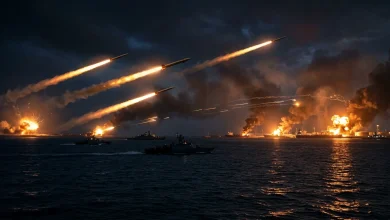
While the hijacking of the chemical tanker appears to be an act of piracy, it cannot be entirely decoupled from the explosive geopolitical backdrop currently defining the region. The waters of the Gulf of Aden and the Red Sea have become highly militarized as the United States and its allies clash with Iranian-backed forces. These tensions have been mounting ever since the implementation of US-enforced naval blockades and port bans, designed to restrict Iranian oil exports and curb the flow of weapons to proxy groups.
Sixth Night of Airstrikes and Iranian Red Lines
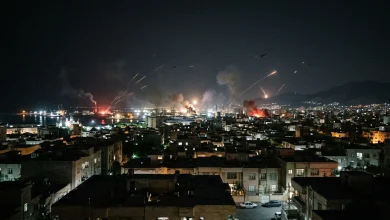
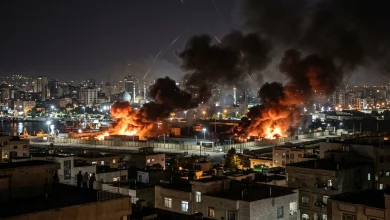
On the same Friday that the tanker was seized, US military forces conducted their sixth consecutive night of airstrikes against targets in Iran. The strikes hit key logistical targets, including a critical bridge and a train station, as Washington seeks to degrade Iran’s capability to supply its regional allies. These military operations represent a major escalation in the direct confrontation between Washington and Tehran, raising serious concerns about military command decisions under pressure as both sides test each other’s red lines. In response, Tehran has warned of severe retaliation if civilian or economic infrastructure continues to face bombardment.
Threat to Close the Bab el-Mandeb Strait
In a move that has deeply alarmed global energy markets, reports have emerged indicating that Iran has instructed the Houthi rebels in Yemen to prepare to close the strategic Bab el-Mandeb Strait. The Bab el-Mandeb is a narrow waterway connecting the Red Sea to the Gulf of Aden, serving as the gateway for millions of barrels of oil and vast quantities of commercial goods traveling between Asia and Europe. Closing this choke point would effectively paralyze shipping through the Suez Canal, forcing vessels to detour around the southern tip of Africa, adding weeks to transit times and driving up shipping costs worldwide. These instructions highlight how local maritime incidents can quickly become entangled in broader geopolitical strategies, which often prompt stern DOJ policy statements and warnings regarding the international legal frameworks governing open shipping lanes.
Global Maritime and Economic Implications
The simultaneous threat of state-sponsored disruption in the Red Sea and the resurgence of Somali piracy in the Gulf of Aden presents a dual challenge to international shipping. Shipowners must now navigate a highly complex risk landscape, balancing the threat of missile attacks from Yemen with the risk of boarding actions from Somali pirate groups. This hostile environment has led to a significant increase in maritime insurance premiums, making transit through these waters increasingly expensive.
Shipping Vulnerabilities and Global Trade Supply Chains
The seizing of the tanker highlights the vulnerability of smaller commercial vessels that lack the resources to defend themselves or the speed to outrun attackers. If Somali piracy networks successfully extract ransoms from this incident, it could trigger a new wave of attacks, further complicating global supply chains already strained by geopolitical conflicts. International navies, despite integrating advanced satellite tracking and maritime monitoring technologies discussed in Washington, find their resources stretched thin as they attempt to counter both asymmetrical warfare from the Houthis and traditional piracy from Somalia. This strain highlights the need for cohesive international policies and swift leadership, particularly during ongoing leadership transitions within US federal enforcement and coalition commands.
| Vessel Name | Vessel Type | Location of Attack | Reported Destination | Likely Perpetrators | Security Response |
|---|---|---|---|---|---|
| Asana | Chemical Products Tanker | 65 NM south of Al Mukalla, Yemen | Bosaso, Somalia | Somali Pirate Action Group | South Korean Warship Dispatched |
As the international community monitors the situation unfolding in the Gulf of Aden, the fate of the chemical tanker and its crew remains uncertain. The incident serves as a stark reminder of the fragile state of global maritime security, where regional conflicts and opportunistic piracy intersect to threaten the free flow of international trade. Without a concerted and coordinated effort by multinational naval forces to secure these vital waterways, commercial shipping will continue to bear the brunt of geopolitical instability and lawlessness on the high seas.