Iran Releases Detained American Dena Karari, Trump Announces 2026

Table of Contents
Iran has officially permitted Dena Karari, a dual U.S.-Iranian citizen who was wrongfully detained in Tehran since December 2024, to leave the country. The high-profile breakthrough was announced on Wednesday evening by U.S. President Donald Trump and confirmed by Karari’s international human rights lawyer, Jared Genser. In an evening post on Truth Social, Trump highlighted her release as a significant win, writing, “Iran has allowed an American Citizen, who was wrongfully detained in December of 2024 under the ‘presidency’ of Sleepy Joe Biden, to leave the Country. She is now safely outside of Iran, and in good condition. The United States of America appreciates this gesture of Goodwill by Iran!” This sudden, dramatic resolution brings an end to a year-and-a-half-long diplomatic and personal ordeal, though it comes at a moment of extreme geopolitical volatility, characterized by escalating direct military confrontations between Washington and Tehran.
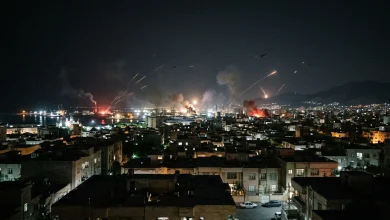
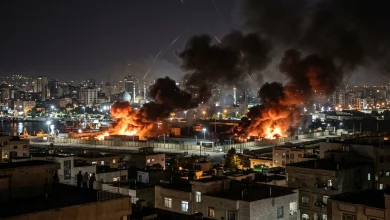
The release of Dena Karari is the first time an American citizen has been freed from Iranian custody since late 2023. Her case, which was kept entirely out of the public eye until her safe departure, represents a classic example of what international observers describe as hostage diplomacy. For months, secret negotiations and intense diplomatic pressure were executed behind closed doors. Though Trump described the event as a gesture of goodwill, the reality on the ground suggests a far more complex transaction. In the days preceding her release, the United States had dramatically ramped up military operations in the Middle East, conducting multiple rounds of precision airstrikes on Iranian targets. Such diplomatic interventions are not uncommon in modern international affairs, reminiscent of other complex negotiations surrounding arrests of high-profile individuals abroad.
Dena Karari: The Background of a Long-Standing Legal Nightmare
Understanding the genesis of Dena Karari’s legal nightmare requires looking back to late 2024. Karari, a professional working within the American technology sector, traveled to Iran in December of that year to visit her family in the historic city of Shiraz. What was intended to be a routine family visit quickly devolved into an international crisis when she attempted to board her return flight to the United States. At the airport, Iranian security officials intercepted her, immediately seizing both her American and Iranian passports.
Instead of being placed directly inside a formal prison cell, Karari was subjected to a highly restrictive “coercive exit ban.” Under this legal mechanism, she was forbidden from leaving the country, effectively trapped within Iran’s borders under constant surveillance. Over the course of the next eighteen months, Karari was forced to undergo dozens of intense interrogations by agents from Iran’s Ministry of Intelligence and Security (MOIS). The interrogation sessions focused heavily on her background, her career in the United States, and her philanthropic activities.
The Children of Mehr Foundation and Humanitarian Work
The primary catalyst for her detention was her association with the Children of Mehr Foundation, a U.S.-registered non-profit organization. Karari had established and operated the foundation to provide vital educational resources, books, and literacy programs to impoverished children living in rural, underdeveloped regions of Iran. Crucially, the organization operated with private donor support and held an active license from the U.S. Treasury Department’s Office of Foreign Assets Control (OFAC), ensuring full compliance with complex U.S. sanction laws.
Despite the fully licensed, transparent, and strictly humanitarian nature of her charity, the Iranian regime viewed her actions with extreme suspicion. Authoritarian states frequently interpret foreign-funded humanitarian efforts as covert operations designed to undermine the state’s authority. Consequently, the MOIS accused Karari of bogus charges, including “collaboration with a hostile state” and “espionage.” Her defense of human rights and charity efforts often drew interest from various conservative advisory panels and international advocacy groups, which have long highlighted the dangers faced by dual citizens engaging in humanitarian work inside repressive regimes.
Inside the Coercive Exit Ban and Interrogations in Tehran
A coercive exit ban represents a particularly insidious form of state-sponsored captivity. Because the individual is not physically locked behind bars in a facility like Evin Prison, the international community often struggles to monitor their status, and their cases receive less public visibility. For the victim, however, the psychological toll is immense. They are trapped in a state of perpetual uncertainty, never knowing if their next interrogation will result in formal imprisonment or physical abuse. Genser, her lawyer, emphasized that Karari suffered “enormous physical and psychological hardship” during her eighteen months of confinement under surveillance.
Curiously, the dynamics of her case shifted in April 2026. For reasons that her legal team admits they do not entirely understand, Karari’s formal exit ban expired, and Iranian authorities returned her passports. Despite having her travel documents back in her possession, she was still prevented from boarding flights and leaving the country, indicating that informal, state-directed security measures remained active. This persistent blockade necessitated direct, high-level diplomatic intervention to secure her actual physical departure from Iranian soil.
Medical Complications and the July 8 Heart Attack
The urgency of the situation escalated dramatically on July 8, 2026, when Karari suffered a major heart attack. The medical emergency highlighted the severe physical toll that the prolonged psychological stress and constant interrogations had taken on her health. Trapped in a country with limited access to her trusted medical providers and under the constant threat of state prosecution, Karari’s life was in immediate danger.
Her legal team, led by Genser, used the medical crisis to intensify pressure on international channels. Prohibiting a critically ill American citizen with severe cardiac damage from departing the country for advanced healthcare would have created an even larger international scandal for Tehran. The medical emergency acted as a catalyst, forcing both U.S. and Iranian negotiators to expedite their talks to prevent a tragic outcome that would have completely derailed any potential diplomatic pathways.
President Trump Announces the Release on Truth Social
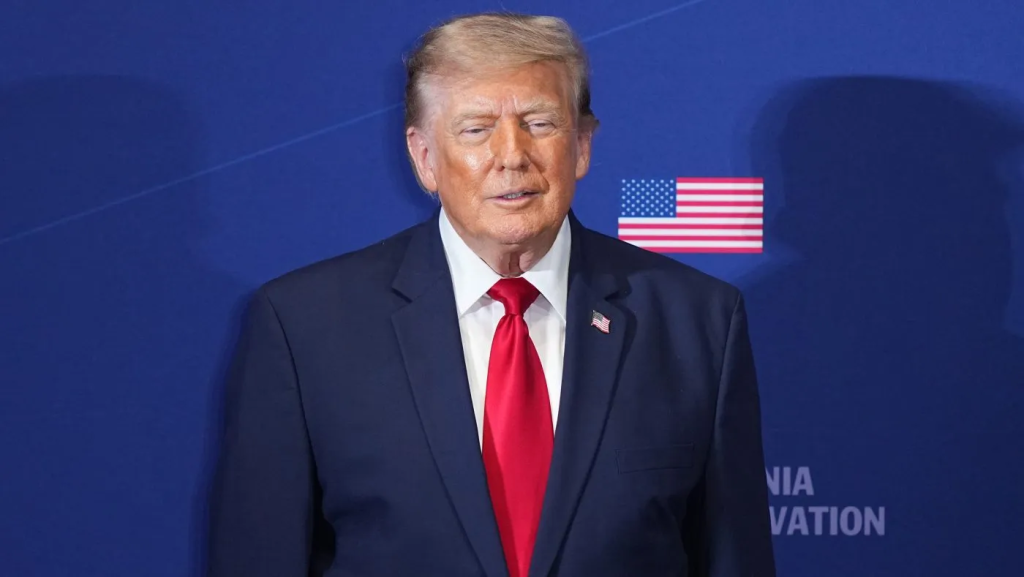
The breakthrough finally came on Wednesday evening, prompting a swift public announcement from the White House. President Trump took to Truth Social to share the news, directly linking the success to his administration’s foreign policy approach. By emphasizing that Karari had been detained under the previous administration, Trump sought to contrast his leadership style with that of his predecessor. This narrative fits seamlessly within Trump’s broader political strategy, as this major foreign policy victory aligns closely with Trump’s administrative agenda, which prioritizes showing decisive strength overseas while negotiating from a position of power.
Throughout his political career, Trump has frequently highlighted the protection of American citizens abroad during his national security speeches and public addresses. His public praise of Iran’s “gesture of Goodwill” represents a classic transactional diplomatic tactic. By publicly thanking Tehran, Trump leaves the door open for future negotiations, even as his administration maintains a highly aggressive military and economic posture against the Iranian state.
Strategic Timing: High-Pressure Diplomacy Amidst Military Strikes
The timing of Karari’s release is perhaps the most critical element of this geopolitical puzzle. Her departure did not occur during a period of diplomatic thaw; rather, it took place amidst some of the most intense military clashes between the United States and Iran in years. The Trump administration has drastically escalated economic and military pressure on Tehran, recently reimposing port bans and enforcing a naval blockade on Iranian oil exports. This aggressive containment strategy is designed to starve the regime of revenue and halt its regional influence.
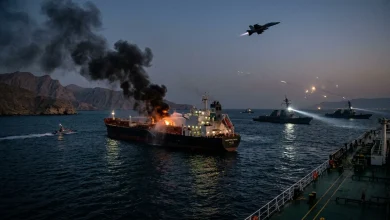
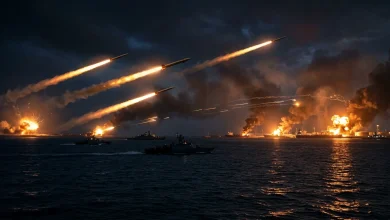
In response to Iranian attempts to bypass these restrictions and target commercial shipping in the Middle East, the U.S. Central Command (CENTCOM) launched a series of massive military operations. These strikes marked some of the most aggressive U.S. military campaigns in recent maritime history, designed to degrade Iran’s coastal defenses and protect vital shipping lanes. It is highly probable that this intense, sustained military pressure forced the Iranian leadership to realize that holding Karari offered little strategic leverage and instead carried an unacceptably high risk of triggering further devastating American military retaliation.
Air Strikes in the Strait of Hormuz and Strategic Confrontations
The escalation reached a critical peak earlier this week when CENTCOM carried out a highly coordinated, 90-minute round of precision strikes. The operation specifically targeted coastal defense systems, radar installations, and cruise missile storage facilities on Greater Tunb Island, a strategically vital island in the Strait of Hormuz. These strikes successfully degraded Iran’s capability to threaten commercial vessels and international warships transiting the narrow waterway, which carries a massive portion of the world’s daily oil supply.
The military action followed the collapse of a Pakistani-mediated memorandum of understanding (MOU) between Washington and Tehran, which had briefly enabled the reopening of the Strait. When Iran reneged on the agreement and attempted to enforce its own blockade, the U.S. responded with overwhelming force, executing precision operations similar to tactical responses witnessed in global conflicts involving precision drone strikes. In this high-intensity environment, the release of Karari may have been calculated by Tehran as a necessary diplomatic off-ramp, a way to signal a willingness to talk before the conflict expanded into a full-scale regional war.
Broader Geopolitical Implications for U.S.-Iran Hostage Dynamics
Karari’s release provides a fascinating case study in the efficacy of “maximum pressure” diplomacy. While critics of aggressive foreign policies often argue that military escalation closes the door to diplomatic breakthroughs, the resolution of Karari’s case suggests that high-stakes military pressure can sometimes accelerate negotiations. By pairing devastating airstrikes with direct, transactional communication channels, the Trump administration successfully forced Iran’s hand, securing the release of an American citizen without offering the massive financial concessions or sanctions relief that characterized previous hostage releases.
However, this breakthrough does not signal a broader resolution of the deep-seated conflicts between the two nations. The underlying structural issues—including Iran’s nuclear ambitions, its support for regional proxy groups, and the maritime security of the Persian Gulf—remain completely unresolved. U.S. national security agencies continue to monitor Iranian capabilities closely, coordinating with key bodies like the Senate Intelligence Committee to streamline security policies and ensure that American forces in the region remain prepared for any retaliatory actions.
Ongoing Detention Cases of Other American Citizens in Iran
While the return of Dena Karari is a cause for celebration, human rights organizations and U.S. officials remind the public that the crisis of hostage-taking in Iran is far from over. At least five other American citizens, mostly dual nationals, remain trapped in Iran or are actively prohibited from leaving the country under similar coercive measures. The legal and security frameworks used to detain these individuals remain fully intact, meaning that any dual citizen traveling to the region faces an incredibly high risk of arbitrary arrest.
Among those still held are Kamran Hekmati and journalist Reza Valizadeh, both of whom have been formally designated by the U.S. State Department as “wrongfully detained.” Their families continue to advocate for their release, hoping that the strategic momentum generated by Karari’s safe departure can be leveraged to secure their freedom as well. For now, their situations remain highly precarious, tied directly to the unpredictable fluctuations of U.S.-Iran relations and the ongoing military standoff in the Persian Gulf.
Summary of Dena Karari’s Detention and Release
To understand the key facets of this high-stakes international incident, it is helpful to look at the structured breakdown of the events and actors involved. The table below outlines the critical parameters of Dena Karari’s detention, her legal representation, and the geopolitical context that ultimately led to her successful release on Wednesday evening.
| Key Detail | Information | Significance |
|---|---|---|
| Full Name | Dena Karari | Dual U.S.-Iranian citizen whose secret detention became a high-stakes diplomatic issue. |
| Detention Period | December 2024 – July 2026 | Spanned across two U.S. presidential administrations, ending under President Trump. |
| Charges Alleged | Collaboration with a hostile state and espionage | Based entirely on her humanitarian efforts with a registered U.S. charity. |
| Humanitarian Focus | Children of Mehr Foundation | Provided vital books and literacy programs to impoverished Iranian children. |
| Critical Health Event | Major Heart Attack (July 8, 2026) | Escalated the biological urgency, forcing negotiators to expedite her safe exit. |
| Strategic Backing | President Donald Trump | Coincided with fresh U.S. military airstrikes on Iranian bases in the Strait of Hormuz. |
| Legal Counsel | Jared Genser | Prominent international human rights lawyer who negotiated and announced her freedom. |
In conclusion, the safe evacuation of Dena Karari from Iran represents a significant victory for her family, her legal team, and the Trump administration’s high-pressure foreign policy apparatus. By combining swift, targeted military action with open lines of communication, the United States successfully navigated a highly complex hostage situation. However, as long as regional tensions remain high and other Americans remain trapped in Tehran, the geopolitical struggle between Washington and Tehran will continue to dominate the international security landscape.