Trump Warns Iran: UN Speech Delivers Ultimatum and Deal Hopes 2026
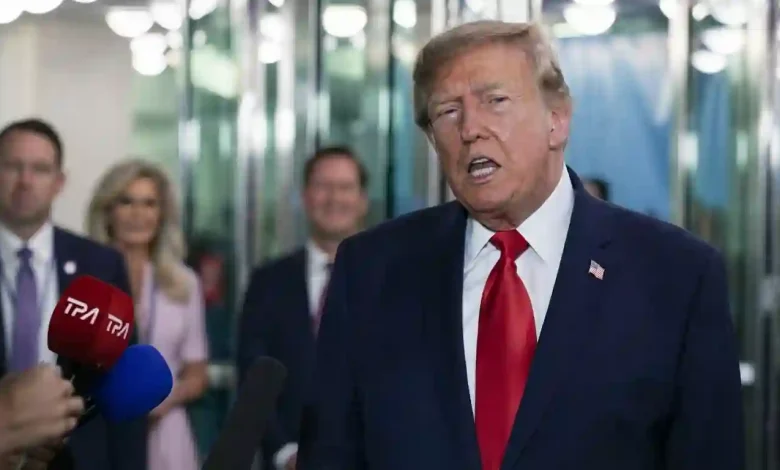
Table of Contents
Trump warns Iran with an unprecedented declaration of decisive force while simultaneously teasing a historic breakthrough, delivering a geopolitical shockwave directly from the podium of the United Nations General Assembly in New York. Addressing world leaders gathered for the annual diplomatic summit, the American president presented an uncompromising dichotomy: Tehran must either accept immediate terms for a comprehensive settlement to end hostilities or face catastrophic annihilation. The statement, characterized by Trump’s signature blend of high-stakes coercion and deal-making rhetoric, crystallized months of escalating military friction into a single critical inflection point. As delegates absorbed the stark ultimatum, diplomats worked furiously behind closed doors to assess whether the address signaled an imminent blitz of military strikes or the dramatic opening gambit of a finalized peace accord.
The United Nations Address: An Unprecedented Ultimatum
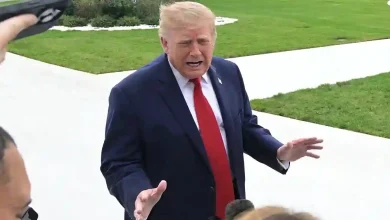
Stepping before the iconic green marble backdrop of the UN General Assembly Hall, Donald Trump discarded diplomatic ambiguities in favor of stark, maximalist language. Reflecting on the deteriorating security environment in the Persian Gulf, the president affirmed that the window for meaningful engagement was narrowing to a close. ‘I have a big decision to make,’ Trump declared, pausing as the assembly hall fell into dead silence. He articulated that while the United States harbors no innate desire for perpetual conflict, American forbearance had reached its absolute perimeter. The warning conveyed a clear operational reality: absent a binding framework to halt asymmetric aggression, shutter illicit nuclear enrichment, and stabilize global maritime transit, Washington remains fully prepared to unleash an overwhelming kinetic campaign against Iranian strategic infrastructure.
Observers quickly contextualized the fiery rhetoric within the broader trajectory of the ongoing standoff, where trump warns iran of severe repercussions across multiple international forums. Unlike previous administration statements that leaned heavily on economic coercion, this address explicitly juxtaposed total military devastation with the prospect of an imminent diplomatic agreement. Trump suggested that despite the bellicose exchanges characterizing recent months, confidential conversations had accelerated rapidly, creating a narrow but viable corridor to end the war on terms favorable to global security.
The Anatomy of Trump’s ‘Big Decision’
The president’s reference to a pivotal choice underscores a sharp strategic debate within the executive branch. On one flank, defense hawks and national security advisers contend that regional deterrence has deteriorated past the point where minor accommodations can guarantee stability. They argue that only a decisive, crippling blow against command complexes, missile silos, and naval bases can decisively remove the threat posed to international waterways. On the opposing flank, diplomatic envoys and economic planners caution that full-scale destruction would trigger uncontrollable global energy shocks, draw regional allies into wider retaliation, and derail broader domestic priorities.
This internal divide mirrors the tactical ambiguity that has come to define the administration’s Middle East doctrine. By publicly acknowledging the weight of his pending determination, Trump effectively placed the burden of escalation squarely upon Tehran’s leadership. The rhetoric serves a dual purpose: it establishes the legal and moral justification for armed intervention should negotiations falter, while exerting supreme psychological leverage to force immediate concessions at the bargaining table. The stark reality remains that should Trump choose the military track, the scope of air and naval strikes would exceed any campaign seen in the region over the last three decades.
Backchannel Maneuvers: The UN Diplomatic Corridor
Even as the public rhetoric escalated inside the General Assembly chamber, secret diplomatic machinery surged into high gear throughout Manhattan’s diplomatic enclaves. Swiss intermediaries, Omani emissaries, and regional power brokers engaged in rapid shuttle diplomacy between Western delegations and Iranian officials. These discussions centered on identifying an acceptable formula for a durable ceasefire, maritime safety guarantees, and monitored restrictions on critical industrial capabilities. Analysts note that these quiet negotiations represent the pragmatic core beneath the fiery speeches, building upon earlier debates concerning irans conditions reopen to maritime transit and bilateral dialogue.
Diplomats privy to the discussions indicate that substantial progress has been made on protocols regarding shipping corridors in the Strait of Hormuz and the Red Sea. However, major sticking points persist concerning the verification mechanisms for military de-escalation and the precise timeline for reciprocal sanctions relief. Trump’s assertion that an agreement ‘could come soon’ reflects progress achieved on technical annexes, yet the entire architecture remains vulnerable to sudden collapse if either side misinterprets operational movements in the Gulf.
Military Readiness and Destructive Capabilities
The operational credibility behind Trump’s stark warning is underpinned by a massive concentration of allied military power deployed across the United States Central Command area of responsibility. Carrier strike groups, long-range stealth bombers operating from regional and European bases, and integrated air defense batteries remain on round-the-clock readiness. Military analysts point out that any campaign aimed at the comprehensive destruction of Iranian military capability would require thousands of precision-guided sorties targeting hardened subterranean complexes, ballistic launch facilities, and coastal missile batteries.
Furthermore, the Pentagon has steadily refined offensive operational doctrines designed to suppress defensive air networks in minutes, reflecting the broader iran war strategy trump has authorized over preceding months. The tactical objective of such an assault would be total neutralization rather than containment, effectively dismantling the adversary’s capability to project power beyond its borders. The sheer scale of this logistical posture leaves no doubt in foreign chancelleries that the president’s UN warning is backed by fully mobilized, executable war plans.
Tehran’s Calculation and Regional Strategic Shifts
In Tehran, the response to Trump’s UN address has oscillated between public defiance and acute operational calculation. Senior commanders of the Islamic Revolutionary Guard Corps issued immediate public warnings, reiterating that any hostile intrusion into sovereign territory would result in immediate retaliatory barrages against forward operating bases and regional infrastructure, reinforcing assertions where iran vows devastating countermeasures against Western assets. State media condemned the speech as aggressive imperial coercion, emphasizing that national defense assets are non-negotiable.
Simultaneously, political figures aligned with Iran’s diplomatic apparatus recognize the existential hazard posed by complete kinetic confrontation. The state of the domestic economy, compounded by extensive structural pressures, restricts the regime’s capacity to absorb prolonged infrastructure destruction. This internal vulnerability has created unexpected common ground between security officials and administrative leaders, both recognizing that a face-saving diplomatic exit may provide the only alternative to military collapse. The technical debates continue to revolve around disclosures from irans nuclear chief regarding technical oversight and processing facilities.
Comparative Analysis: Diplomatic Exit vs. Military Escalation
The choices facing Washington and Tehran present stark operational contrasts across security, economic, and geopolitical dimensions:
| Strategic Dimension | Path A: Negotiated Diplomatic Resolution | Path B: Overwhelming Kinetic Campaign |
|---|---|---|
| Military Outcome | Binding ceasefire; verified de-escalation; freeze on advanced weapons tests. | Complete destruction of military sites, naval bases, and command nodes. |
| Regional Proxy Impact | Constrained logistical support; phased reduction in proxy engagements. | Uncoordinated retaliation across regional choke points and littoral zones. |
| Global Energy Supply | Immediate maritime safety stabilization; crude price normalization. | Severe crude export disruptions; multi-month spike in global energy costs. |
| Diplomatic Verification | International monitors oversee key production sites and shipping lanes. | Absence of oversight; reliance on satellite surveillance and aerial reconnaissance. |
| Domestic Political Capital | Framed as a triumphant master deal avoiding unnecessary entanglement. | Framed as historic decisive leadership crushing adversarial aggression. |
Global Energy Corridors and Financial Market Volatility
Global financial and commodities markets reacted instantly to Trump’s speech, demonstrating the hyper-sensitive nature of current market conditions. The price of crude oil spiked sharply during the opening minutes of the address, driven by fears that an announcement of imminent strikes was forthcoming, before paring gains as Trump transitioned to discussing an impending agreement. Energy traders remain caught between the terrifying prospect of physical supply disruptions in the Strait of Hormuz and the disinflationary relief that would follow a formalized peace accord.
Compounding this volatility is the persistent threat posed to commercial shipping by non-state actors operating along critical littoral bottlenecks, as evidenced when iran houthis seize mocha and restrict naval navigation. Maritime insurance underwriters have kept premiums at historic highs, warning that commercial traffic will not resume normal patterns until an agreement is formally signed, ratified, and physically enforced. Corporate supply chains, already grappling with prolonged transit detours around the Cape of Good Hope, view the UN talks as the definitive catalyst that will either stabilize global trade costs or trigger another inflationary wave.
International Reactions: Beijing, European Capitals, and the Gulf
The geopolitical reverberations of Trump’s speech echoed far beyond Washington and Tehran, provoking intense reactions across major capitals. European leaders expressed deep apprehension regarding the prospect of full-scale war, reiterating their commitment to multilateral frameworks while urging both parties to prioritize diplomacy. In private consultations, European envoys implored the White House to give negotiators adequate breathing room, warning that the destruction of Iranian state capacity would unleash migration waves and regional chaos that Europe would inevitably bear.
In Asia, energy-dependent economies watched the proceedings with profound alarm. Diplomats noted that china urges iran to avoid escalatory missteps that would jeopardize Beijing’s massive industrial crude imports, exerting quiet pressure on Tehran’s leadership to accept terms. Meanwhile, Gulf monarchies welcomed the administration’s resolute commitment to regional security but worked aggressively behind the scenes to avert open war, recognizing that their own critical desalination plants, refineries, and urban centers sit directly within retaliatory missile arcs. The international consensus remains overwhelmingly clear: while allied states support checking regional destabilization, the collateral consequences of an all-out military confrontation would reverberate worldwide.
The Final Countdown: Pathway to Resolution or Total War
As the United Nations General Assembly continues its sessions, the international community finds itself balanced on a razor’s edge. Donald Trump’s address made it incontrovertibly clear that the prevailing status quo is unsustainable. The protracted iran war stalemate that has drained diplomatic energy and rattled global commerce is entering its final chapter. The president has drawn a definitive line in the sand: either the diplomatic apparatus produces a historic, enforceable peace deal within days, or the United States will commit its full military arsenal to eliminate the threat by force.
The coming hours in New York will dictate the course of Middle Eastern stability for a generation. If Swiss and regional backchannels can bridge the final technical chasms regarding monitoring protocols and sanctions phasing, the world may witness the announcement of an extraordinary diplomatic victory. If those discussions stall, Trump’s self-described ‘big decision’ will inevitably tilt toward kinetic destruction, transforming the warning delivered at the UN podium into the prologue of an unprecedented regional war.