Tehran Rejects U.S. Diplomatic Talks Over June Interim Agreement Violations 2026
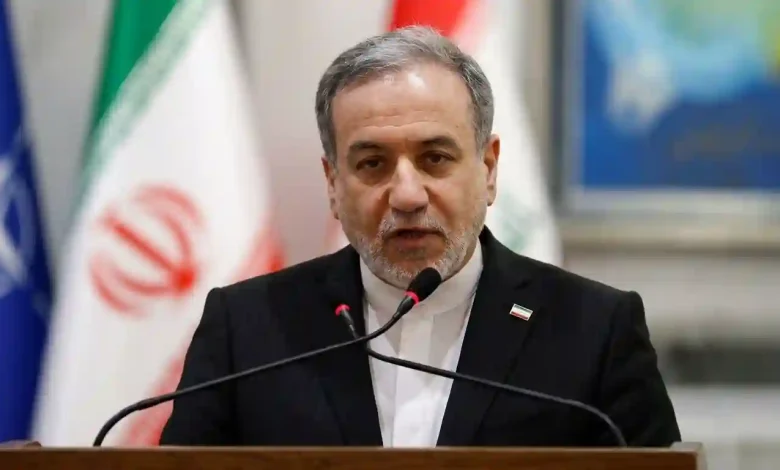
Table of Contents
Tehran has officially frozen all diplomatic channels with Washington, raising regional tensions to a critical juncture [1]. According to senior diplomatic sources, the Iranian government has stated in no uncertain terms that it will not resume bilateral talks as long as the United States continues to breach the interim agreement signed in June 2026. This sudden breakdown in negotiations represents a major setback for international mediators who had hoped the June accord would serve as a stepping stone toward a comprehensive security architecture in the Middle East. Instead, the diplomatic vacuum has re-ignited fears of escalation. Over the past several years, geopolitical shifts have repeatedly disrupted diplomatic efforts, particularly when major administrative transitions or unilateral actions upend previous achievements. We have seen how fragile these diplomatic processes can be, especially during decisions such as when Donald Trump cancels diplomatic outreach, leading to immediate instability and a breakdown of trust on both sides. The current situation reflects a similar pattern of policy inconsistency, where commitments made in one month are challenged by political realities in the next.
The June interim agreement was designed as a modest, confidence-building measure. Under its terms, Iran agreed to cap certain aspects of its nuclear enrichment program and allow monitored access to specific facilities, while the United States promised to freeze certain sanctions and facilitate the release of restricted humanitarian funds. However, within weeks of signing, Tehran accused Washington of failing to deliver on sanctions relief and of introducing new financial restrictions under separate legislative pretexts. This perceived bad faith has led Iranian officials to declare that further negotiations are impossible without a complete and verifiable return to the June terms. Without a solid foundation of compliance, any future diplomatic initiatives are viewed by Tehran as a strategic dead end.
The Breakdown of the June Interim Deal
The deterioration of the June interim agreement did not happen in a vacuum. Rather, it is the result of compounding friction points that have built up over several months. When the agreement was signed, it was heralded as a pragmatic alternative to the defunct Joint Comprehensive Plan of Action (JCPOA). It sought to address immediate concerns: preventing rapid enrichment escalation while offering Iran targeted economic relief. The deal was structured around a reciprocal timeline of actions. Yet, according to reports from independent watchdogs like the International Atomic Energy Agency, the technical steps required to verify compliance quickly became politicized. While Iran claimed it had fulfilled its initial containment objectives, Washington pointed to regional security issues as justification for slowing down the promised sanctions waivers [1]. This asymmetrical implementation has destroyed the delicate trust necessary for long-term negotiations. Historically, tactical agreements like the Strait of Hormuz deal advance have demonstrated that limited, transactional understandings can succeed, but only when both parties maintain rigorous adherence to their explicit commitments. When one side unilaterally reinterprets the terms, the entire diplomatic framework collapses, leaving both nations on the brink of deeper conflict.
Key Protocols of the June Agreement
To understand the current impasse, it is necessary to examine the specific protocols established under the June interim framework. The agreement focused on three main pillars: verification, economic stabilization, and conflict de-escalation. Iran committed to capping its enrichment of uranium at 60% purity at designated sites and agreed to enhanced surveillance by international inspectors. In return, the United States pledged to issue waivers allowing South Korea and Iraq to transfer billions of dollars in frozen Iranian oil revenues directly to designated humanitarian accounts in Europe. Additionally, both sides agreed to exercise restraint in regional theaters to prevent proxy confrontations from spiraling out of control. This framework was intended to create a baseline of stability that would allow for broader negotiations later in the year. Unfortunately, the rapid erosion of these pillars has proved how unstable the agreement actually was. The failure to fully implement the economic stabilization aspect of the deal has given hardliners in Iran the political leverage they needed to halt all diplomatic engagement, arguing that Washington is an unreliable negotiating partner that consistently defaults on its diplomatic promises.
Why Tehran Rejects Renewed Bilateral Negotiations
Tehran has adopted a highly defensive and uncompromising posture regarding the resumption of talks. From the perspective of the Iranian leadership, engaging in new negotiations while the previous agreement is being violated would signal weakness and invite further pressure from Washington. Senior Iranian officials have publicly stated that they will not participate in what they describe as ‘negotiations for the sake of negotiations’ while domestic economic pressure remains unmitigated. This stance is rooted in a deep-seated distrust of Western foreign policy consistency. The Iranian security establishment remains convinced that Washington’s ultimate goal is not a stable diplomatic settlement, but rather the systematic economic and political containment of the Islamic Republic. This environment of mutual suspicion makes compromise extremely difficult, as any concession is viewed through the lens of national survival. As tensions mount, the threat of escalation looms larger, with many fearing that the diplomatic freeze will inevitably lead to escalating threats of a war with Iran. Such a conflict would have devastating consequences for the entire Middle East, potentially drawing in regional powers and global superpowers alike.
The Core Violations Cited by Iranian Diplomats
Iranian diplomats have presented a detailed list of grievances outlining exactly how they believe Washington has breached the June agreement. Foremost among these is the delay in the transfer of the frozen humanitarian funds. Although the U.S. Treasury Department technically issued the necessary licenses, Iranian banking officials argue that compliance requirements and secondary sanctions warnings issued to European banks have effectively blocked the funds from being moved. Furthermore, Tehran points to several new sanctions designations targeting Iranian entities associated with its drone and missile programs as a direct violation of the spirit of the June agreement, which was supposed to bring a halt to new economic penalties. Washington, on the other hand, maintains that these designations are unrelated to the nuclear issue and are a necessary response to destabilizing regional activities. This fundamental disagreement over the scope of the June agreement highlights the difficulty of separating nuclear diplomacy from broader regional security issues. The resulting deadlock has closed off diplomatic avenues, leading to dangerous incidents where regional proxies strike U.S. assets, further escalating the cycle of retaliation and counter-retaliation [1].
Comparative Analysis: Strategic Shifts in the U.S.-Iran Stalemate
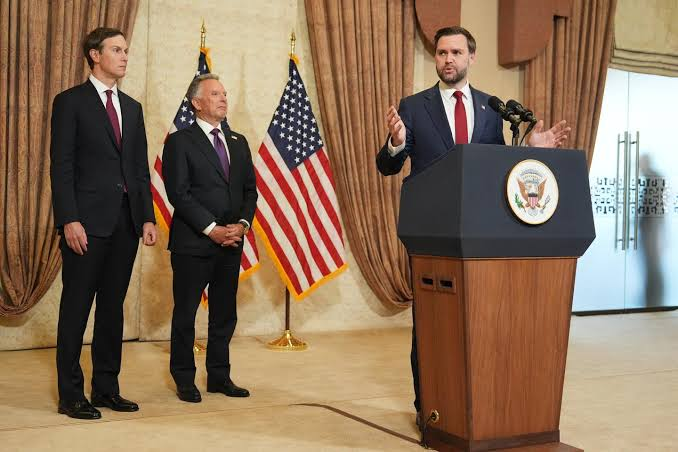
The transition from diplomatic optimism in June to a total freeze in August highlights a dramatic shift in the strategic landscape. The following comparison table outlines the stark differences between the expectations of the June agreement and the current geopolitical realities of late 2026.
| Diplomatic Pillar | June Agreement Expectation | Current Reality (August 2026) |
|---|---|---|
| Uranium Enrichment Capping | Iran maintains uranium enrichment below 60% purity. | Iran threatens to resume higher-level enrichment if sanctions relief is not delivered. |
| Sanctions Relief & Funds | U.S. facilitates transfer of billions in frozen humanitarian funds. | Funds remain locked in European banks due to compliance delays and secondary sanctions fears. |
| Regional Security Status | Both sides commit to a mutual de-escalation of proxy tensions. | Increased tensions, proxy strikes, and heightened military readiness across the region. |
| Verification Protocols | Enhanced IAEA monitoring and surveillance at designated sites. | Verification efforts hampered by political disagreements and restricted access. |
This table illustrates how rapidly a negotiated framework can unravel when there is a lack of political will or domestic opposition in either capital. The gap between expectation and reality has widened to a point where simple diplomatic adjustments are no longer sufficient to salvage the deal. Instead, a major shift in policy from both Washington and Tehran will be required to break the current impasse. As diplomatic options dwindle, both nations are preparing for more confrontational scenarios, updating their coordinated military posture and strategic retaliation plans to deter potential aggression from the other side.
Geopolitical Ramifications of the Frozen Diplomatic Track
The collapse of the June agreement and the refusal of Tehran to engage in talks have profound implications for the broader Middle East. Without a functioning diplomatic channel, there is no reliable mechanism to manage crises or prevent miscalculations. This is particularly dangerous in highly volatile environments where forces are operating in close proximity. Even temporary pauses in temporary pauses in active conflict are difficult to sustain when there is no overarching political dialogue to support them. In the absence of diplomatic engagement, both sides are increasingly relying on deterrence through military positioning. This has led to an arms buildup in the region, with the United States reinforcing its naval and aerial assets while Iran enhances its defensive capabilities and regional alliances. The danger of this posture is that it leaves very little room for error. A minor incident in the Persian Gulf or a misdirected drone strike could easily trigger a rapid escalation that neither side originally intended but feels compelled to pursue due to domestic political pressure.
Shipping Corridors and Economic Security
One of the most immediate casualties of the diplomatic stalemate is the security of global energy and trade corridors. The Strait of Hormuz, through which a significant portion of the world’s liquefied natural gas and oil passes daily, remains a major flashpoint [1]. Historically, when diplomatic talks fail, maritime transit becomes highly vulnerable to harassment, seizures, and sabotage. The broader framework of the ongoing Iran-U.S. conflict has often played out in these international waters, affecting global shipping rates and oil prices [1]. Insurance costs for tankers navigating the Persian Gulf have skyrocketed as maritime security agencies warn of potential disruptions. For the global economy, which is already grappling with inflationary pressures and supply chain fragilities, any prolonged instability in these vital shipping lanes could have severe consequences. The lack of a diplomatic mechanism to manage maritime disputes increases the risk that commercial vessels will be caught in the crossfire of geopolitical maneuvers.
Regional Security and Proxy Networks
Beyond maritime security, the diplomatic freeze has direct consequences for regional stability, particularly in countries like Yemen, Iraq, Syria, and Lebanon, where Iranian influence is deeply entrenched. In previous months, diplomatic progress between Washington and Tehran often translated into a reduction of proxy attacks against U.S. forces and allies in these nations. Conversely, the breakdown of talks has historically led to an uptick in regional violence. Military commanders in the region are on high alert, anticipating potential retaliatory strikes. In some scenarios, these tensions have escalated to the point of direct confrontation, including devastating military strikes on Iranian targets. This cyclical pattern of violence reinforces the argument that regional security cannot be achieved in isolation from the broader diplomatic engagement between Washington and Tehran. As long as the diplomatic track remains frozen, regional proxies are likely to be used as tools of asymmetric leverage, further destabilizing already fragile states.
The Path Forward: Can the Stalemate Be Resolved?
Resolving the current impasse will require a significant departure from the current maximalist positions held by both Washington and Tehran. For talks to resume, a face-saving mechanism must be developed that allows both sides to claim compliance with their core principles. For Tehran, this means receiving tangible, verifiable proof that the financial and economic commitments made in the June agreement will be fully honored. For Washington, it requires assurances that Iran will not use the economic relief to fund regional destabilization or advance its nuclear enrichment capabilities beyond civilian needs [1]. Third-party mediators, such as the European Union or regional partners like Oman and Qatar, will play a crucial role in any potential de-escalation. These intermediaries can facilitate the technical verification of compliance and provide a neutral channel for communication. However, even with active mediation, the window of opportunity is closing. The longer the stalemate persists, the more entrenched the hostile positions will become, making a return to the negotiating table increasingly difficult. Ultimately, the choice between diplomatic engagement and military escalation lies with the political leadership in both capitals, who must weigh the costs of a prolonged conflict against the benefits of a stable, verified agreement.