Iran war Day 159: Strait of Hormuz Tensions and Diplomatic Moves
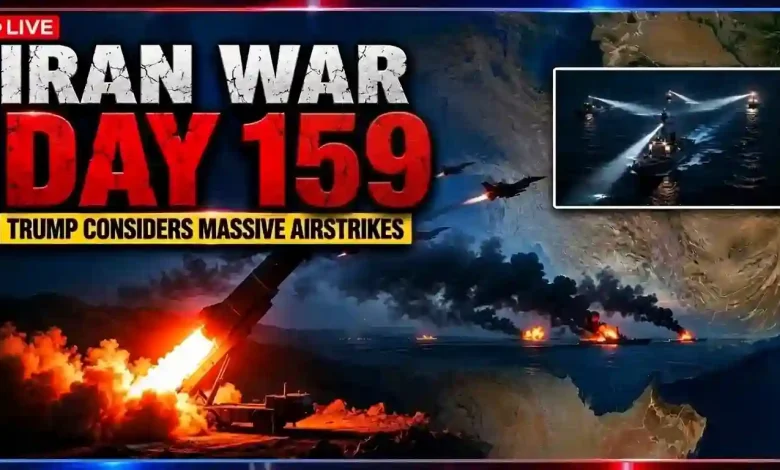
Table of Contents
Iran war hostilities have officially entered their 159th day, representing one of the most critical geopolitical flashpoints of the decade. What began as a sudden escalation in early 2026 has transformed into a protracted war of attrition, with major repercussions for global security, international commerce, and diplomatic alignments. As both sides claim military successes, the localized fighting has drawn in regional actors, triggered sweeping economic crises, and tested the limits of modern aerial warfare. The current phase is characterized by a high-stakes combination of intense localized drone and missile exchanges and quiet, backdoor diplomatic negotiations designed to prevent a full-scale global energy collapse.
The 159-Day Milestone: A Nation in the Crosshairs
As the conflict marks its 159th day, the nature of the confrontation has evolved. The massive, coordinated campaigns that characterized the initial weeks have given way to precision interdiction. Coalition forces, led by Western powers, have shifted their focus toward systematically degrading Iran’s strategic capabilities. Key targets include subterranean missile silos, drone assembly plants, and coastal radar installations. Tehran, conversely, has dispersed its retaliatory assets, utilizing mobile launcher systems and underground networks to preserve its striking power. Both combatants continue to issue warnings of further escalation, signaling that despite five months of intense warfare, neither side is prepared to capitulate without achieving its strategic objectives.
Chronology of a Crisis: From Outbreak to the Current Stalemate
To understand the current state of play, it is essential to trace how the conflict reached this protracted stage. The campaign has gone through several distinct operational phases. Earlier in the conflict, specifically during Day 147 of the Iran war, the strategic calculations were dominated by discussions of massive, decapitating strikes targeting Iranian command-and-control facilities. Since then, the conflict has settled into a tactical rhythm where high-altitude air superiority meets asymmetrical guerrilla defense on the ground and at sea. This transition has made a decisive military victory elusive, pushing both sides into a dangerous and long-term standoff.
How the Ceasefire Collapse Shaped Current Combat Fronts
The persistence of the current campaign is directly linked to the diplomatic failures of the previous month. A temporary lull in combat operations occurred when backchannel communications raised hopes of an enduring peace. However, these fragile hopes were shattered when previous ceasefire agreements collapsed due to irreconcilable demands over maritime sovereignty and the withdrawal of regional naval assets. Immediately following the collapse, military operations resumed with increased intensity, characterized by a series of US Central Command airstrikes targeting missile defense batteries and command infrastructure in southern Iran. This swift return to hostilities underscored the fragility of unilateral pauses in the absence of a comprehensive regional treaty.
The Strait of Hormuz: The Ultimate Geopolitical Leverage
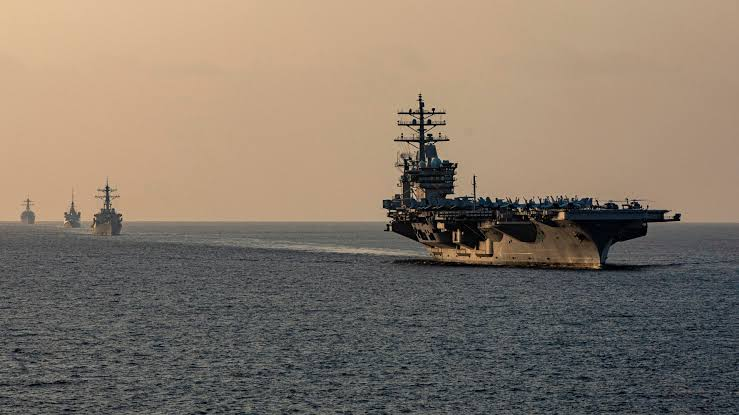
The primary theater of economic warfare remains the Strait of Hormuz, a choke point through which a significant portion of global energy passes. As the narrow gateway connecting the Persian Gulf to the wider Arabian Sea, the strait is a vital artery for the transport of crude oil, liquefied natural gas (LNG), and essential trade goods. Recognizing its immense strategic value, the Iranian Revolutionary Guard Corps (IRGC) Navy has asserted rigorous sovereignty claims over the waterway, imposing blockade-like conditions. Since the initial outbreak of the war, commercial transit has experienced massive disruptions. Iran’s naval forces have used sea mines, missile batteries, and fast-attack craft to interdict commercial vessels, creating a high-risk maritime environment that has forced global shipping firms to seek expensive alternative routes.
Omani Diplomacy and the Search for a Transit Solution
In response to the severe maritime gridlock, Oman has emerged as a crucial intermediary. Operating from its unique diplomatic position of regional neutrality, Muscat is actively hosting representatives from Washington and Tehran in an effort to negotiate a workable transit framework. Current discussions are highly contentious, centered around proposed passage fees. Iranian officials are reportedly seeking transit tolls equivalent to 5% to 7% of cargo value for ships utilizing the strait, while Omani mediators have proposed a compromise rate of 3%. The United States and its European allies remain strongly opposed to any fee structure, asserting that international law guarantees the right of free transit passage. Despite these deep-seated differences, the ongoing talks represent the most promising pathway to date for easing the regional blockade.
Economic Shockwaves: Energy Supply Disruptions and Brent Crude Volatility
The global economic consequences of this prolonged conflict have been profound, particularly regarding energy markets. These disruptions have sent massive shockwaves through international financial centers, causing global Brent crude oil prices to swing wildly. Statistics released by the U.S. Energy Information Administration highlight that oil transit through the Strait of Hormuz plummeted by nearly 30% during the first half of 2026. This supply shock initially pushed prices well past $100 per barrel, triggering fuel rationing and inflation across several import-dependent Asian nations. However, as news of the Omani-brokered talks filtered into the markets, crude prices experienced a corrective drop, stabilizing near $83 per barrel. Nevertheless, analysts warn that any breakdown in these delicate diplomatic efforts will trigger immediate retaliatory market spikes.
| Conflict Dimension | Key Developments & Status on Day 159 |
|---|---|
| Active Combat Duration | 159 Days of continuous military engagement as of August 2026. |
| Strait of Hormuz Status | Critical blockades are active; Oman-mediated talks seek to establish a 3% to 7% transit fee framework. |
| Energy Market Impact | Brent Crude prices stabilized around $83.29/bbl following brief peaks above $100/bbl. |
| Coalition Strategy | US Central Command targeting UAV manufacturing sites and missile defense installations. |
| Regional Realignment | Mutual defense pact signed in Jeddah by Saudi Arabia, Turkey, and Pakistan. |
| Asymmetric Fronts | Increased Houthi drone and missile activity in Marib, Yemen; pro-Iranian militia activity in Iraq. |
Geopolitical Realignment: The Tripartite Defense Pact and Regional Alliances
As the war continues with no end in sight, regional powers have begun reorganizing their strategic partnerships to protect against fallout. The most significant development in this regard is the signing of a joint defense pact in Jeddah between Saudi Arabia, Turkey, and Pakistan. This landmark agreement represents a historic shift in regional security architecture. The treaty establishes a mutual defense framework, stating that a military threat or direct attack against one of the signatories will be treated as an attack on all three. This pact is designed to provide collective security and prevent the further expansion of regional instability, while signaling to Tehran that neighboring powers are prepared to act in concert to defend their sovereign territories.
The Rise of Parallel Theaters in Yemen and Iraq
The geopolitical repercussions of the war are not confined to the immediate vicinity of mainland Iran. Tehran has leveraged its network of regional surrogates to stretch coalition resources and open secondary combat theaters. In Yemen, the Houthi movement has escalated its military operations, launching devastating missile and drone attacks against Saudi-supported government installations in the oil-rich Marib province. At the same time, regional security services have reported a rise in hostile drone incursions originating from pro-Iranian factions based in Iraq. This multi-pronged strategy represents a deliberate Iranian escalation designed to complicate the defense strategies of Western coalition forces and demonstrate that a conflict with Tehran will inevitably destabilize the entire Middle East.
Military and Munitions Constraints: Limits of the Aerial Campaign
Operationally, the 159 days of sustained military engagements have begun to expose logistical bottlenecks for all participating forces. Military intelligence reports indicate that the intensive, high-tempo aerial campaign has significantly depleted precision-guided munition stockpiles among coalition forces. This depletion has sparked intense policy debates in Washington. While US President Donald Trump and Defense Secretary Pete Hegseth have expressed confidence in the military’s ongoing capabilities, defense analysts suggest that a protracted war of attrition will require a massive ramp-up of domestic industrial production. Conversely, Iran is facing similar constraints, particularly concerning its access to key electronic components needed to manufacture its advanced drone fleets. Nonetheless, Tehran’s extensive network of hardened underground facilities has allowed it to maintain a high degree of defensive resilience.
The Uncertain Road Ahead
As the war moves past the five-month mark, the international community remains deeply divided on the path forward. Despite ongoing backchannel negotiations, military analysts warn that rejecting diplomatic efforts remains a very real possibility for Tehran’s leadership, which is attempting to leverage its strategic choke points to bypass Western sanctions. The situation remains highly fluid, and the threat of further escalation continues to hang heavily over the Middle East. Whether the coming days bring a breakthrough in the Omani transit talks or a renewed surge in kinetic engagements will determine the geopolitical and economic trajectory of the entire globe for years to come.