Iranian commercial ship crew returns as Caspian and Gaza crises escalate 2026
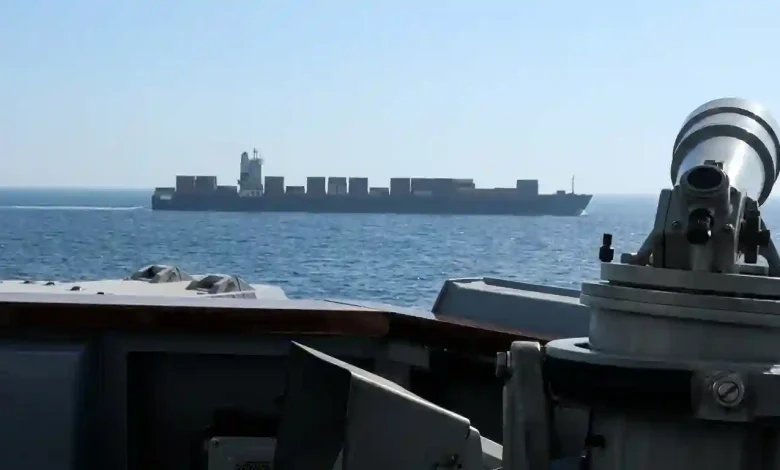
Table of Contents
Introduction
Iranian commercial ship crew members and the body of a deceased sailor have arrived back on Iranian soil, following a highly unusual and dangerous strike in the Caspian Sea basin. According to reports from the semi-official ISNA news agency, the merchant vessel was struck last week in an incident that has added an unpredictable northern dimension to an already highly volatile regional landscape. While Tehran mourns the loss of its citizen and denounces the strike, diplomatic efforts thousands of miles away in the Middle East are facing a parallel crisis. Gaza Board of Peace chief Nickolay Mladenov has announced that international mediators are working tirelessly, “around the clock,” to initiate Phase 2 of a long-awaited ceasefire deal. However, these delicate negotiations are being severely tested by intensified military strikes, which have claimed the lives of dozens of civilians over the past few days. Together, these dual developments underscore a global landscape where localized conflicts are rapidly bleeding into critical trade routes and international diplomatic arenas. This article explores the geopolitical ramifications of the Caspian Sea incident and the desperate diplomatic push to secure peace in Gaza before a wider regional conflagration becomes inevitable.
Iran: The Caspian Sea Incident: Return of the Crew
The return of the merchant mariners to Tehran marks a solemn moment for Iran, which has found itself increasingly targeted across multiple fronts. The incident occurred in the Caspian Sea, a body of water traditionally insulated from direct military engagements. The ship, which was transporting commercial goods, was targeted in what Iranian officials describe as a targeted provocation. The repatriation of the crew and the deceased sailor’s body has triggered widespread public mourning and official condemnation. As Iran accuses US and its Western allies of enabling attacks on its commercial infrastructure, the geopolitical tension in the Caspian region has reached unprecedented heights. This incident demonstrates that commercial shipping is no longer safe even within closed sea basins, raising the stakes for regional powers that rely on these northern trade corridors to bypass international sanctions. It represents a dramatic expansion of the geographical boundaries of the current geopolitical standoff, drawing in states that previously considered themselves geographically shielded from the main theaters of war.
Iran: The Impact of the Ukrainian Strike on Maritime Safety
The strike, identified by Tehran as a Ukrainian Caspian Sea attack, represents a major tactical shift. Historically, Ukraine’s military operations have been confined to the Black Sea and immediate land borders. Extending maritime operations to the Caspian Sea highlights a sophisticated long-range capability that directly threatens Iranian-Russian supply networks. The Iranian commercial vessel was carrying non-military cargo, according to ISNA, making the attack a contentious issue regarding the safety of civilian mariners. Security experts suggest that this strike was intended to disrupt the strategic transit of goods between Russia and Iran, two nations that have deepened their economic and military ties. This development has forced shipping companies to reconsider their route safety protocols, with many calling for immediate international protection for merchant fleets operating in the region. Furthermore, it complicates the diplomatic balancing act for neighboring Caspian littoral states, such as Azerbaijan, Turkmenistan, and Kazakhstan, who must now navigate a highly militarized sea trade route.
Iran: The Broader Geopolitical Context: Day 149 of the Conflict
To understand the gravity of these events, they must be viewed through the lens of the wider conflict. As the Iran war enters its 149th day, military engagements have spread far beyond the borders of the Middle East. What began as a localized skirmish has transformed into a multi-theater confrontation involving regional proxies, international coalitions, and global superpowers. The Caspian Sea strike is not an isolated event; it is directly linked to the systemic pressure being applied to Tehran’s logistical networks. In the southern corridors, maritime safety is equally compromised. The threat of a Strait of Hormuz tanker attacked by regional actors remains a constant shadow over global energy markets, demonstrating how maritime vulnerability in one area can trigger systemic economic shocks worldwide. The strategic objective appears to be the complete isolation of Iran’s commercial capabilities, forcing its leadership to make painful concessions under the threat of economic collapse.
Iran: The Economic Toll and Security Dilemmas
The financial impact of these ongoing maritime and land-based conflicts is staggering. According to recent Pentagon and treasury estimates, the escalating war costs have now surpassed dozens of billions of dollars, draining resources that could otherwise be used for global development. This massive military expenditure reflects the intensity of the operations, which have involved sophisticated missile defenses, continuous airstrikes, and round-the-clock naval patrols. Furthermore, the threat of Trump’s war in Iran looms large over diplomatic circles, as political leaders in Washington debate whether to escalate operations or seek an exit strategy before the conflict spirals completely out of control. This massive spending on security is also driving up global commodities pricing, contributing to inflation and economic instability in emerging markets that rely heavily on open trade routes and stable oil exports.
Iran: Gaza Ceasefire: Mediators Race Against the Clock
While the Caspian Sea and the Persian Gulf face intense military tension, the humanitarian crisis in Gaza continues to deteriorate, prompting urgent diplomatic intervention. Nickolay Mladenov, the chief of the Gaza Board of Peace, has stated that international mediators are working “around the clock” to bridge the gap between the warring parties. The goal is to initiate Phase 2 of a comprehensive ceasefire agreement that would bring an end to months of devastating violence. However, this diplomatic race is occurring under the shadow of intensified military operations. Over the last forty-eight hours, Israeli airstrikes and ground incursions have intensified, resulting in the deaths of dozens of Palestinian civilians and destroying vital civilian infrastructure. This surge in violence threatens to derail the fragile progress made during preliminary negotiations, as both sides accuse each other of bad faith. Humanitarian agencies warn that without an immediate cessation of hostilities, the aid distribution networks will collapse entirely, leaving hundreds of thousands of people without food, water, or medical care.
Nickolay Mladenov and the Phase 2 Implementation Challenge
The implementation of Phase 2 is regarded as the most critical hurdle in the peace process. While Phase 1 focused primarily on temporary pauses and limited humanitarian aid distribution, Phase 2 demands a permanent cessation of hostilities, a full withdrawal of forces, and a comprehensive exchange of detainees. According to representatives from the UN Press Office, the primary obstacle remains the lack of mutual trust. Mediators from Egypt, Qatar, and the United States are attempting to draft guarantees that satisfy the security demands of Israel while addressing the sovereignty and humanitarian needs of the Palestinian population. With a previous regional ceasefire on the verge of collapse, there is an acute awareness that failure to secure an agreement now could lead to an irreversible expansion of the war across the entire Middle Eastern theater. Mladenov has repeatedly emphasized that the “window of opportunity is closing rapidly” and that the cost of diplomatic failure will be measured in civilian lives.
Analyzing Global Maritime and Geopolitical Vulnerability
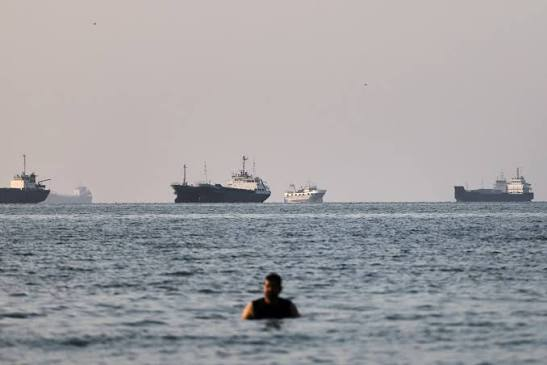
The simultaneous crises in the Caspian Sea and Gaza reveal a deeply interconnected global security environment. Modern warfare is no longer localized; it leverages economic, maritime, and technological vulnerabilities to project power. Commercial vessels have become high-value targets, used by combatants to inflict economic pain and send political signals. When merchant shipping is disrupted, global supply chains suffer immediately, leading to spikes in insurance premiums, delayed shipping times, and increased consumer costs worldwide. The international community’s inability to secure these vital waterways highlights a fundamental weakness in the global governance framework, where international maritime law is increasingly ignored by state and non-state actors alike. This degradation of global norms has far-reaching consequences, emboldening smaller militant groups and regional powers to conduct asymmetric operations without fear of significant international reprisal.
Comparative Analysis of Geopolitical Friction Points
To better understand how these disparate conflicts interact, the following table outlines the key characteristics, primary actors, and strategic implications of the major friction points currently threatening international stability:
| Conflict Zone | Primary Actors Involved | Recent Key Escalation | Strategic Economic Impact | Diplomatic Status |
|---|---|---|---|---|
| Caspian Sea | Iran, Ukraine, Russia | Ukrainian strike on an Iranian merchant vessel; crew repatriated. | Disruption of the northern sanction-bypassing trade corridor. | Tehran demanding accountability; Ukraine maintaining strategic ambiguity. |
| Gaza Strip | Israel, Hamas, International Mediators | Intensified Israeli strikes killing dozens; civilian infrastructure destroyed. | Severe humanitarian crisis; blockade of basic goods and services. | Mediators working “around the clock” to implement Phase 2 ceasefire. |
| Persian Gulf / Strait of Hormuz | US-led Coalition, Iran, Regional Proxies | Strait of Hormuz tanker incidents; continuous naval patrols. | Threat to global oil shipments; massive spikes in shipping insurance. | Backchannel talks stalled; high military alert on both sides. |
Conclusion: Will Diplomacy Prevail Over Escalation?
As the international community grapples with these overlapping emergencies, the path forward remains highly uncertain. The return of the dead sailor to Tehran serves as a grim reminder of the human cost of these modern, multi-theater conflicts. While military strategists analyze the technical aspects of the Caspian Sea strike, civilian populations continue to bear the brunt of the violence in Gaza. Whether the tireless efforts of Nickolay Mladenov and other international mediators can salvage the Phase 2 ceasefire remains to be seen. What is clear, however, is that without a concerted effort to revive genuine backchannel diplomacy, the cycle of maritime strikes and territorial warfare will continue to expand, threatening global security and economic stability for years to come. Only through comprehensive, multilateral dialogue that addresses the root causes of these conflicts can a durable peace be established, offering safety to both civilian merchant mariners in the Caspian and the long-suffering populations of the Middle East.