Strikes on Iran Paused by Trump Following Middle East Appeals 2026
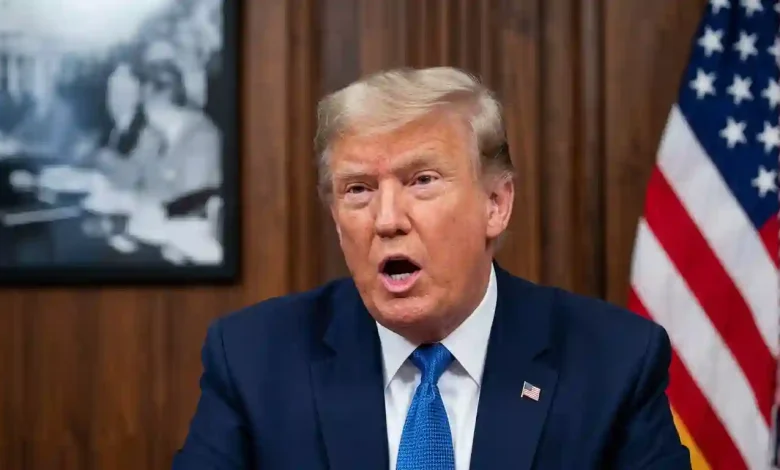
Table of Contents
Strikes on Iran planned by the United States and Israel have been unexpectedly suspended by President Donald Trump, marking a dramatic diplomatic pivot in a five-month conflict that has repeatedly pushed the Middle East to the absolute brink of an all-out regional war. In a late-night social media announcement on Saturday, President Trump revealed that both Tehran and other Middle Eastern nations had urgently requested he hold off on planned strikes, citing progress toward the parameters of a potential comprehensive diplomatic deal. The decision to pause the military campaign comes in the wake of an intense flurry of backchannel diplomacy, culminating in a critical phone call between the U.S. president and Saudi Crown Prince Mohammed bin Salman. This sudden de-escalation stands in stark contrast to the militaristic rhetoric of previous weeks. This is especially true given that this development occurred on what has officially been marked as Iran war day 153, following months of destructive exchanges of fire. Just days prior, US airstrikes hit Iran for a 12th night as part of a major operation to target the country’s naval and coastal installations. However, Saturday’s sudden halt suggests that diplomatic interventions from regional allies have successfully established a pressure-release valve, even if only temporarily.
Introduction: A Sudden Pause in a High-Stakes Escalation
The geopolitical landscape of the Persian Gulf shifted overnight as President Donald Trump announced the sudden cancellation of highly anticipated joint military operations against the Islamic Republic. For days, military analysts and intelligence agencies had warned that a major strike on Iran’s electrical grids, refineries, and nuclear research facilities was imminent. U.S. embassy staff across several regional capitals had already warned citizens to prepare for unforeseen escalations, and military bases were placed on high alert. However, the last-minute intervention of key regional leaders has introduced a sudden, precarious pause in the hostilities.
According to administration officials, the cancellation is not an outright abandonment of military options but rather a strategic holding pattern. President Trump emphasized that the U.S. remains ‘locked and loaded’ but is willing to give diplomacy a final, rapid window to produce a comprehensive solution. This diplomatic pause represents a significant moment of reflection for all involved parties, who now face the difficult task of translating a temporary halt in strikes into a lasting regional settlement.
Inside the Diplomatic Call: The Role of the Saudi Crown Prince
Trump’s dramatic decision was heavily influenced by direct appeals from Riyadh. Sources familiar with the negotiations confirmed that the Saudi Crown Prince, Mohammed bin Salman, initiated a crucial phone call with Trump earlier on Saturday, expressing intense concerns about the potential consequences of new U.S. and Israeli airstrikes on Iranian energy infrastructure. The Saudis, who share a highly volatile maritime border in the Persian Gulf, are acutely aware of the retaliatory threat posed by Iran. Indeed, Iranian-backed media and official outlets had already warned that any Western attacks on Tehran’s oil refineries would trigger immediate, symmetrical retaliatory strikes against Saudi and Emirati energy facilities. This diplomatic intervention led to a sudden announcement that the planned strikes on Iran paused, shifting the immediate focus from kinetic military operations to high-stakes diplomatic negotiations.
The Crown Prince reportedly sought clarity on the exact scale of the planned operations and urged the U.S. president to consider the wider regional fallout. Saudi officials made it clear that while they support the containment of Iran’s nuclear ambitions, they cannot endorse a military campaign that leaves their own critical infrastructure exposed to devastating counter-attacks. This direct, high-level communication highlights the complex security dependencies that define the relationship between Washington and its Gulf allies.
Economic Vulnerability and the Strait of Hormuz Chokepoint
The economic stakes for the Saudi kingdom and other Gulf monarchies cannot be overstated. With the ongoing Strait of Hormuz tanker crisis severely restricting the flow of merchant vessels, the regional economy has taken a significant hit. The Strait of Hormuz is the world’s most critical maritime oil transit choke point, handling roughly one-fifth of global petroleum consumption daily. For Saudi Arabia, any sustained closure or high-risk classification of this waterway directly threatens their principal economic lifeline. The current situation has forced insurance premiums for commercial tankers to skyrocket to unsustainable levels, with many global shipping conglomerates outright avoiding the corridor. This economic stagnation is further reflected in projected oil prices, which have fluctuated wildly as geopolitical developments sway market confidence.
Without a reliable maritime route through the strait, the fiscal plans of the entire Gulf Cooperation Council (GCC) are in jeopardy. The massive capital projects associated with Saudi Arabia’s modernization efforts require stable, uninterrupted energy revenues. A prolonged conflict that shuts down the Persian Gulf would not only disrupt global supply chains but could also trigger a severe domestic recession within the Gulf states themselves, a reality that the Crown Prince is desperate to avoid.
Strategic Assessment from Military Expert Cedric Leighton
According to CNN military analyst Cedric Leighton, a retired US Air Force colonel, both Riyadh and Tehran are under massive internal and external pressure to avoid a full-scale regional conflagration. Leighton pointed out that the Saudis, despite their deep strategic partnership with Washington, are in an incredibly delicate position. ‘They’re economically at risk here,’ Leighton observed, noting that a war that completely shuts down the Gulf shipping lanes would cause unprecedented damage to regional development plans and state budgets. Leighton also emphasized that the Saudis carry immense diplomatic weight with Donald Trump. As a key Persian Gulf ally, Riyadh’s concerns cannot be easily dismissed by the White House. This leverage was critical in persuading Trump to pause his planned strikes, which he had previously described as ‘locked and loaded.’ By urging de-escalation, Saudi leadership is attempting to navigate a path that protects their domestic infrastructure while pushing for formal Strait of Hormuz deal negotiations to restore normal maritime traffic.
Colonel Leighton further explained that the military realities on the ground make an immediate solution highly complex. Iran’s defensive posture is integrated into its coastal geography, allowing it to easily deploy anti-ship missiles and fast-attack craft from hidden positions. This means that any attempt to forcibly reopen the strait would require a massive, sustained naval campaign, rather than a single set of surgical strikes, raising the operational risks for the U.S. Navy and its regional partners.
The Threat of Regional Conflagration and Infrastructure Attacks
The fears of a wider war are well-founded in recent precedent. Over the past several months, as Iran retaliates across the Gulf, regional states have felt the immediate heat of the conflict. Just this weekend, Kuwait reported being targeted by Iranian-directed drone incursions, and multiple commercial vessels were harassed or attacked off the coast of Oman. The threat of a symmetric response from Iran has kept Gulf states on edge. The Islamic Revolutionary Guard Corps (IRGC) has repeatedly demonstrated its ability to project power through asymmetrical warfare, utilizing sophisticated drone swarms, anti-ship missiles, and sea mines to disrupt shipping. For Saudi Arabia, the memory of previous drone attacks on major oil processing centers remains a stark reminder of how vulnerable its central facilities are to Iranian kinetic strikes if a full-scale war breaks out.
The defense systems of the Gulf states, while highly advanced, can be overwhelmed by saturated drone and missile attacks. An escalation that targets desalination plants, power stations, and petrochemical complexes would have immediate, catastrophic humanitarian and economic consequences for millions of civilians living in the coastal cities of the Gulf.
The Emerging Framework of a Fast-Track Deal
In his Truth Social announcement, Trump specified that the cancellation of the strikes is strictly conditional. ‘Based on this request, I have agreed… to cancel the attack, subject to being able to rapidly make a DEAL,’ Trump wrote. The U.S. president’s proposed terms for this agreement are extraordinarily ambitious. They include the immediate, complete, and total opening of the Strait of Hormuz, alongside verifiable guarantees that Iran will halt its nuclear development program. While Trump expressed confidence that Israel joins him in this commitment, political analysts are skeptical. The government of Israeli Prime Minister Benjamin Netanyahu has frequently taken a much more hawkish stance, sometimes distancing itself from unilateral U.S. diplomatic declarations. Whether a fast-track deal can be achieved remains highly uncertain, especially given how previous attempts at establishing a durable memorandum of understanding collapsed in the face of renewed Strait of Hormuz conflict escalations.
Negotiators face an uphill battle to reconcile these demands with Iran’s stated red lines. Tehran has long maintained that its nuclear program is entirely peaceful and has refused to negotiate under the threat of military force. Furthermore, Iranian officials have insisted that any agreement must include the permanent lifting of economic sanctions, a condition that is highly unpopular with key congressional leaders in Washington.
Geopolitical Reactions and Global Energy Market Impacts
The international response to the sudden pause in strikes has been a mixture of relief and intense skepticism. In European capitals, leaders have welcomed the temporary reprieve, hoping that it provides a window of opportunity for broader diplomatic talks. However, the global energy markets remain highly volatile. Traders and analysts note that while a temporary pause in airstrikes may prevent an immediate spike in crude prices, the structural risks associated with the Strait of Hormuz shipping lane remain entirely unresolved.
Furthermore, the domestic political landscape in the United States adds another layer of complexity. With upcoming midterm elections, the Trump administration is under significant domestic pressure to stabilize energy prices, as high inflation and soaring fuel costs have consistently damaged political approval ratings. This domestic economic pressure likely played a substantial role in Trump’s willingness to listen to Saudi appeals, balancing his aggressive foreign policy rhetoric with pragmatic economic realities at home.
The Military Dimensions: Why the Pause is Critical
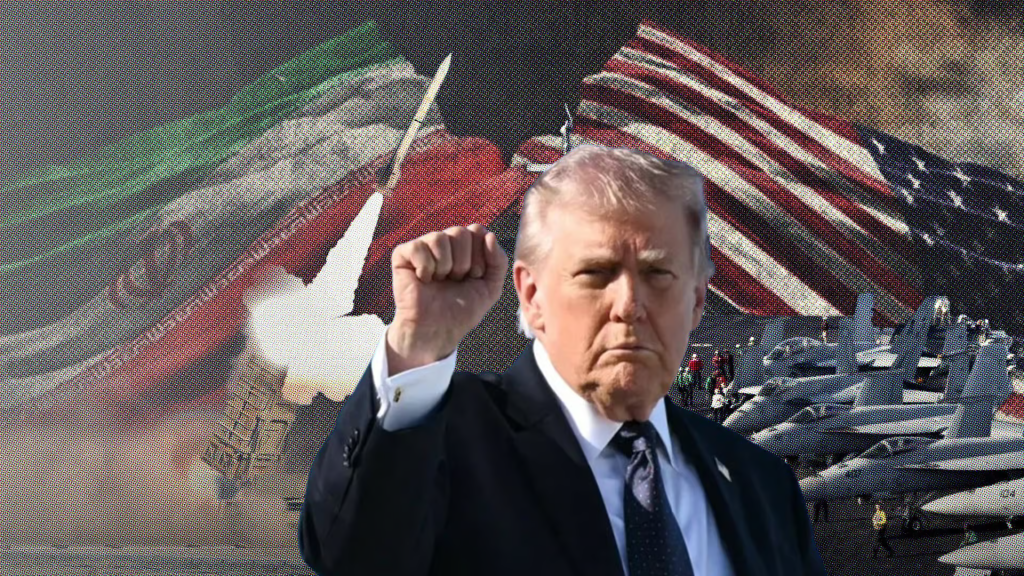
From a strictly military perspective, a temporary pause allows both sides to reassess their operational logistics and repair damaged infrastructure. CNN military analyst Cedric Leighton noted that the scale of recent U.S. and allied operations has placed a significant logistical burden on regional bases. U.S. forces stationed in Bahrain, Qatar, and Kuwait have faced persistent threat alerts, with several bases reportedly targeted by Iranian-backed drone operations. A pause in airstrikes gives coalition forces an opportunity to reinforce air defense systems, such as Patriot missile batteries, and resupply key ordnance.
On the Iranian side, the pause provides a critical window to evaluate the damage inflicted by over 150 days of intermittent conflict. While Tehran has publicly dismissed Trump’s claims of an impending deal as propaganda, military intelligence reports suggest that the Iranian leadership is deeply concerned about its air defense vulnerabilities. Recent precision strikes by the U.S. and Israel have successfully targeted key radar installations and command-and-control towers along the southern Iranian coast, significantly degrading their ability to monitor maritime traffic and coordinate fast-attack naval vessels.
Chronology of the 2026 US-Iran Conflict and Recent Pauses
To understand the significance of this diplomatic pause, it is necessary to examine the timeline of the conflict over the past several months. The war, which erupted following high-stakes political shifts, has seen several cycles of escalations, brief ceasefires, and sudden resumption of hostilities. Below is a detailed breakdown of the critical milestones leading up to this weekend’s dramatic decision:
| Date (2026) | Conflict Milestone | Strategic Impact & Resolution Efforts |
|---|---|---|
| February 28 | Outbreak of Hostilities | US-Israeli coalition launches major strikes on targets in Tehran. |
| Mid-July | Nightly Airstrikes | US forces conduct intense consecutive nightly attacks on Iranian maritime sites. |
| July 29 | Temporary Operational Pause | Initial diplomatic backchannels attempt to establish a regional ceasefire. |
| August 1 | Saudi Diplomatic Intervention | Crown Prince MBS warns Trump of massive economic risk to Gulf infrastructure. |
| August 2 | Airstrikes Paused/Canceled | Trump announces cancellation of strikes, demanding total opening of Hormuz. |
Diplomatic Challenges to a Long-Term Agreement
Achieving a permanent diplomatic resolution will require addressing several deeply entrenched issues that have plagued U.S.-Iran relations for decades. The primary obstacle is the verification of Iran’s nuclear commitments. The Trump administration has consistently demanded that any new treaty must include intrusive, round-the-clock inspections of all Iranian military and research sites—a demand that Tehran has repeatedly rejected as a violation of its national sovereignty.
Additionally, the role of regional proxy groups remains a major sticking point. The U.S. and its allies insist that any comprehensive deal must include the disarmament of Houthi forces in Yemen and the cessation of Iranian funding to militant groups in Iraq and Syria. Iran, however, views these proxy networks as an essential component of its forward-defense doctrine, designed to deter a direct invasion of its homeland. Resolving these conflicting strategic priorities in a ‘rapidly made deal’ will require unprecedented diplomatic flexibility from all parties involved.
Conclusion: A Precarious Peace in the Persian Gulf
Ultimately, the cancellation of the planned strikes on Iran represents a critical, albeit fragile, pause in one of the most dangerous geopolitical standoffs of the modern era. While the immediate threat of a catastrophic regional war has been averted, the underlying causes of the conflict remain completely unaddressed. The coming days will be crucial as diplomats from the United States, Saudi Arabia, Iran, and Israel engage in high-stakes negotiations to draft a sustainable framework for peace. Whether this moment of de-escalation leads to a historic diplomatic breakthrough or simply serves as a brief interlude before an even more destructive round of violence depends entirely on the willingness of regional leaders to prioritize economic stability over military dominance.