Trump Halts Iran Attacks: Demands Rapid Nuclear Deal 2026
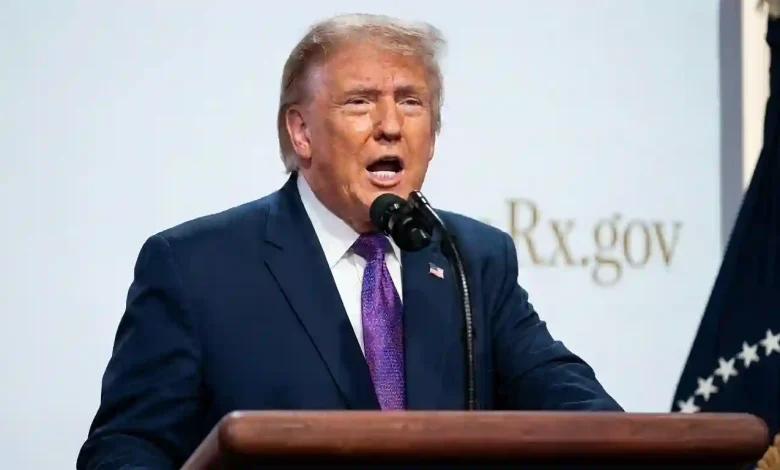
Table of Contents
Trump has dramatically changed course on the escalating geopolitical crisis in the Middle East, announcing late on Saturday that he will temporarily hold off on executing a planned military strike against Iranian targets. This sudden pivot came after a period of intense confrontation that had pushed the region to the absolute brink of widespread war. According to a detailed post published on his Truth Social platform, the president expressed his willingness to pause any fresh offensive operations, provided that regional stakeholders move swiftly to draft and execute a comprehensive agreement addressing critical international security concerns. This unexpected cessation of planned hostilities has introduced a vital diplomatic window into a highly volatile situation, offering a potential path away from a catastrophic regional conflagration. Over the preceding days, global tensions had reached a fever pitch, with defense analysts widely anticipating that the Trumps massive attack threat would soon materialize into an extensive, multi-layered military operation designed to degrade Iran’s strategic nuclear and conventional military capabilities.
Iran :The Truth Social Proclamation: Trump Pauses Action
The announcement from the U.S. administration marks a stark transition from aggressive military postures to high-stakes diplomacy. Writing on his social platform, Trump detailed that the decision to delay the strikes was made in direct response to requests from Iran and other Middle Eastern countries. These nations have reportedly asked for a specific, time-bound window to formulate an agreement that would lead to what the president described as “the Immediate, Complete and Total” reopening of the Strait of Hormuz and an definitive end to Iran’s nuclear threat. The move has surprised many in Washington, as regional military deployments had suggested an imminent wave of airstrikes was virtually guaranteed.
By framing the suspension as an act of international stewardship, the administration is placing the burden of regional stability squarely on Tehran and its neighbors. Trump wrote that the cancellation of the planned offensive was made “for the future benefit of the WORLD” and to ensure the “survival of a successful and prosperous Iran.” However, this diplomatic window remains highly contingent on rapid progress. The administration has made it clear that any perceived stalling or failure to produce concrete, verifiable concessions will result in the immediate resumption of military plans. This calculated u.s. iran conflict pause has temporarily shifted the primary battlefield from the skies above Iran to negotiation rooms in neutral regional capitals.
Iran :The Core Demands: Denuclearization and the Strait of Hormuz
The two primary pillars of any acceptable resolution are the complete dismantling of Iran’s advanced nuclear enrichment capabilities and the permanent restoration of maritime security in the Persian Gulf. For years, Iran’s nuclear ambitions have been a source of profound friction, with the international community repeatedly demanding stricter oversight and the cessation of enrichment activities that exceed peaceful utility. The current U.S. administration has taken an uncompromising stance, demanding that any new agreement provide ironclad guarantees that prevent Tehran from ever achieving nuclear weapon capabilities.
Simultaneously, the blockade and targeted harassment of shipping vessels in the Strait of Hormuz have created an unsustainable security crisis for international trade. Because a massive portion of global petroleum and natural gas passes through this narrow waterway daily, any disruption threatens to derail the global economy. U.S. negotiators are insisting that a comprehensive strait of hormuz deal must be reached to ensure the unhindered flow of commercial vessels, free from state harassment or proxy interference. For Washington and its allies, the reopening of the strait is not just a regional issue, but a critical element of global maritime security that must be legally and physically guaranteed.
Iran :How We Got Here: Weeks of Escalation and Conflict
This sudden diplomatic opening follows several weeks of intense military friction, marked by retaliatory strikes, naval skirmishes, and deep mutual distrust. The conflict had reached a critical inflection point after a series of localized skirmishes escalated into major aerial operations. In the weeks leading up to this weekend’s announcement, military installations on both sides had been on high alert, and earlier diplomatic initiatives had repeatedly failed to gain traction. The frequency of these failures underscored the profound difficulties in establishing communication channels, especially after previous ceasefire collapses left both sides with virtually no option but military retaliation.
The escalating cycle of violence had raised fears of a prolonged regional war. Air defenses in neighboring Gulf countries were activated, and coalition forces had expanded their presence across key maritime sectors. The deployment of advanced offensive assets by the U.S. military was intended to signal resolve, but it also increased the risk of miscalculation. The decision to pause the conflict represents a deliberate effort to interrupt this escalatory spiral, providing regional intermediaries with a final opportunity to broker a structural agreement before the conflict becomes entirely unmanageable.
Iran :Economic Shockwaves: Oil Markets and Global Inflation
The military confrontation in the Persian Gulf has already generated severe economic shockwaves across the globe, illustrating the deep interconnectedness of modern energy markets. The threat of a prolonged blockade of the Strait of Hormuz has sent crude oil prices surging, stoking fears of systemic inflation in major importing nations across Europe and Asia. Shipping insurers have dramatically increased premiums for vessels operating in the region, forcing many logistics conglomerates to divert their fleets around the southern tip of Africa, a move that adds significant time and expense to international trade routes.
Below is a summary of the primary economic and security indicators affected by the current standoff, demonstrating the high stakes of the ongoing diplomatic efforts:
| Strategic Indicator | Peak Standoff Level | Target Post-Deal Level | Economic Impact / Implications |
|---|---|---|---|
| Global Crude Oil Price | Over $100 per barrel | Stabilized under $80 per barrel | Directly influences transport costs and global consumer inflation indices. |
| Strait of Hormuz Status | Severely disrupted / Blockaded | Unrestricted, guaranteed passage | Determines the stability of daily maritime shipping for 20% of global oil. |
| Maritime Insurance Premiums | Up to 300% surcharge | Standard baseline rates | Directly impacts shipping costs, consumer prices, and supply chain timelines. |
| Regional Airspace Security | High-risk / Diverted routes | Normal commercial operation | Affects international commercial aviation routing and operational costs. |
Iran :The Cost of War: Defense Debates and Funding Pressures
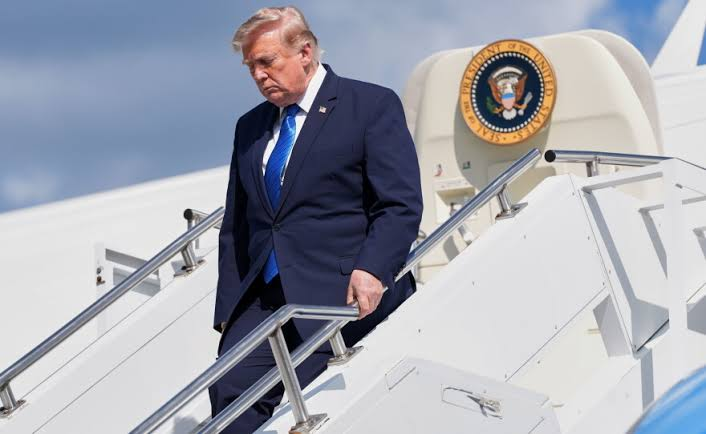
The financial realities of maintaining a high-intensity military presence in the Middle East have also weighed heavily on policymakers in Washington. As the deployment of aircraft carriers, fighter squadrons, and air defense batteries continued to expand, the domestic debate over defense spending intensified. Congressional reports indicate that the iran war cost rises at a rate that has triggered intense scrutiny from fiscal conservatives and progressive lawmakers alike, both of whom are questioning the long-term sustainability of the current strategic posture.
The rising operational costs have placed additional pressure on the Pentagon to seek diplomatic alternatives where possible. Defense planners must balance the immediate need to deter regional adversaries with the necessity of maintaining readiness for potential conflicts elsewhere in the world. The astronomical costs of firing precision-guided munitions and operating advanced naval assets have highlighted the limits of a purely military strategy, making a negotiated settlement highly desirable from a budgetary perspective, provided it does not compromise core security objectives.
Strategic Regional Responses: The Gulf States and Beyond
The asymmetric nature of the conflict has also forced regional military commanders to confront new tactical challenges on the battlefield. Allied forces have had to contend with the widespread deployment of iranian drones, which have been used to conduct targeted surveillance and carry out precision strikes against critical oil installations and maritime shipping. These low-cost, highly maneuverable aerial platforms have frequently tested the limits of traditional air defense systems, forcing coalition partners to invest heavily in electronic warfare and specialized counter-drone technologies.
Recognizing the vulnerabilities of their own critical infrastructure, neighboring Gulf states have played an active role in encouraging this diplomatic pause. Countries like Kuwait, Oman, and Qatar have utilized their established backchannels to facilitate communications between Washington and Tehran, emphasizing the catastrophic consequences that a full-scale war would have on the entire region. For these nations, a diplomatic resolution is not merely a preference, but a vital necessity to protect their sovereign territory and maintain economic development.
Future Outlook: Diplomacy or Impending Strikes?
Despite the current pause, the path forward remains fraught with significant risk, and the possibility of a sudden return to hostilities looms large. The U.S. military has maintained its forward-deployed forces in a state of high readiness, ensuring that they can transition from a diplomatic pause to active combat operations in a matter of hours. The State Department continues to advise extreme caution, maintaining its worldwide caution for American citizens traveling or residing in the region, reflecting the highly volatile nature of the security environment.
The coming days will be critical in determining whether the requests from Tehran and other Middle Eastern leaders were a genuine attempt to secure a lasting peace or a tactical maneuver designed to buy time. If negotiators can rapidly draft a deal that successfully addresses the nuclear threat and guarantees the permanent reopening of the Strait of Hormuz, this pause may go down in history as a masterclass in coercive diplomacy. However, if negotiations stall, the region may find itself facing an escalatory wave of military action far more devastating than anything seen so far.