Planned attacks on Iran Canceled by Trump in Bid for Deal 2026
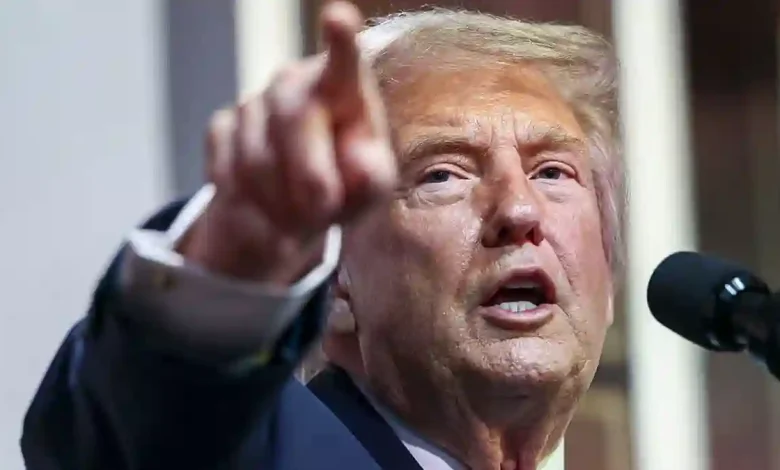
Table of Contents
Planned attacks on Iran have been abruptly called off by US President Donald Trump, who cited unexpected and rapid progress in behind-the-scenes diplomatic negotiations. This comprehensive analysis examines the sudden diplomatic pivot by the White House, the strategic implications of the canceled strikes, and the ongoing regional security threats that continue to keep the international community on high alert. Just twenty-four hours prior to this announcement, senior Pentagon sources and White House insiders had indicated that a fresh wave of military operations was finalized and ready for execution over the weekend. The sudden reversal highlights the highly volatile, transactional nature of the current administration’s foreign policy in the Persian Gulf, where military escalation and diplomatic breakthroughs frequently occur in rapid, unpredictable succession.
In an official communication released via his Truth Social platform, the President revealed that the decision to halt the strikes was a direct response to urgent appeals from both Tehran and neighboring Middle Eastern countries. He emphasized that this momentary cessation of hostilities is strictly conditional, noting that the continuation of the pause relies entirely on “being able to rapidly make a DEAL.” The announcement has introduced a fragile sense of hope into a region that has spent months on the brink of an all-out war, though military commanders remain deeply skeptical of any long-term diplomatic stability.
Postponement Amid Diplomatic Breakthrough
The timing of the President’s announcement has caught international observers by surprise, particularly given the aggressive rhetoric radiating from the White House earlier in the week. Diplomatic channels, operating through neutral intermediaries such as Switzerland and Oman, had reportedly been working around the clock to establish a workable framework that could de-escalate the conflict. According to sources within the State Department, the decision to call off the planned weekend strikes was finalized after a series of high-level, indirect exchanges between American and Iranian representatives, who agreed that the outline of a broad regional treaty was within reach.
This diplomatic pivot represents a significant departure from the kinetic operations that have dominated the Persian Gulf over the past several months. For weeks, the United States had been conducting consecutive nights of airstrikes targeting command and control centers, radar stations, and drone storage facilities inside Iranian territory. The sudden transition from active combat preparations to direct deal-making highlights how the administration views military force not as an end in itself, but as a mechanism to extract maximum geopolitical concessions from adversaries under immense economic and military pressure.
Inside Trump’s Deal-Oriented Framework
The theoretical parameters of this emerging deal, as outlined by the administration, are incredibly ambitious and seek to fundamentally reshape Middle Eastern security. According to the President, the framework demands the “Immediate, Complete, and Total OPENING OF THE HORMUZ STRAIT” alongside a verified, permanent “end to Iran’s nuclear threat.” These demands strike at the core of the ongoing conflict, which has severely disrupted global energy markets, international shipping lanes, and Western military posture in the region.
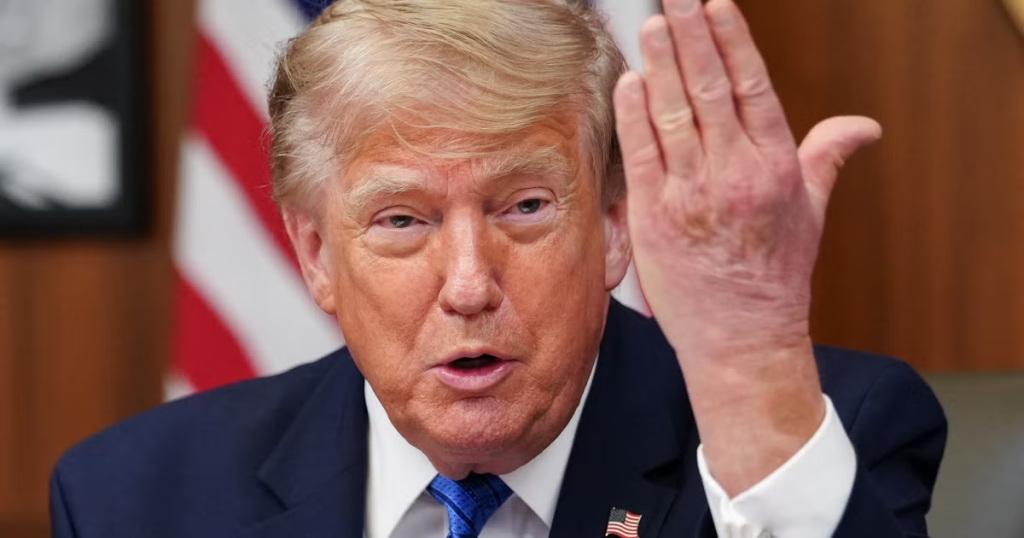
While Trump touted these terms as a massive breakthrough, military and diplomatic experts caution that a formal treaty remains a distant prospect. The administration coupled its diplomatic overture with intense military posturing, with the President declaring that the United States Armed Forces remain “locked and loaded” and prepared to unleash a level of military power not witnessed since the Second World War. This combination of coercive pressure and transactional diplomacy is a hallmark of the administration’s approach, yet it creates a high-stakes environment where any misunderstanding could instantly reignite active combat. Furthermore, the President asserted that Israel is fully aligned with this diplomatic commitment, although Prime Minister Benjamin Netanyahu’s government has yet to issue an official public statement regarding the terms of the proposed deal.
The Escalating Military Backlash and Strike Cancellations
This sudden cancellation of planned military operations follows a familiar pattern in the ongoing conflict, where intense escalation is followed by rapid diplomatic maneuvers. Earlier in this campaign, airstrikes were temporarily paused to allow regional mediators, such as Oman and Qatar, to establish direct channels of communication between Washington and Tehran. However, those initial pauses were short-lived, as tactical operations on the ground and retaliatory exchanges repeatedly derailed diplomatic efforts, proving how difficult it is to sustain a ceasefire in a multi-front theater.
The escalating Iran-US conflict has consistently been defined by these rapid shifts between kinetic strikes and diplomatic statements. White House Press Secretary Karoline Leavitt expressed the administration’s frustration with Tehran’s previous behavior, noting that while conceptual understandings had been reached in the past, subsequent hostile actions—including maritime attacks and targeting of American troops—had repeatedly shattered trust. The current pause represents another high-risk attempt to convert military leverage into a concrete diplomatic settlement before regional escalation spirals entirely out of control, threatening global stability and economic markets alike.
Kuwait Under Fire: Air Interceptions and Regional Violations
The fragility of this diplomatic opening was brought into sharp focus early Saturday morning when Kuwaiti air defenses were forced to intercept multiple hostile drones. The Kuwaiti Ministry of Defense confirmed that its forces successfully neutralized several incoming aerial threats, which targeted critical government infrastructure, public utilities, and logistical hubs. According to local military spokespersons, these drones originated from Iranian territory and targeted the northern region of Kuwait, including Bubiyan Island and areas near the strategic Ahmed Al-Jaber Air Base.
This incident illustrates the regionalized nature of the threat, as Iran strikes US assets and allied installations in an effort to deter Washington from launching deep strikes against the Iranian mainland. While the physical damage in Kuwait was limited to falling debris and minor vehicular destruction, the political shockwaves have been profound. It demonstrates that while backchannel talks may be occurring, military forces on both sides remain highly active, particularly as Iran rejects peace talks in official state media to maintain domestic posturing and regional influence. The attack on Kuwaiti soil has raised serious concerns among Gulf Cooperation Council (GCC) members regarding the reliability of their air defense systems and the broader regional implications of hosting American forces.
Travel Warnings and the Risk to US Citizens
In direct response to the escalating drone strikes and the threat of retaliatory actions, the United States State Department has issued an updated, high-level travel advisory for all Americans currently in the Middle East. The warning specifically targets citizens residing in or traveling through GCC member states, urging them to seriously consider immediate departure via commercial means while they are still available. The State Department emphasized that the security environment remains highly unpredictable, with civil aviation, commercial maritime vessels, and Western diplomatic facilities facing elevated risks of asymmetric attack.
Embassy personnel in Kuwait, Bahrain, and the UAE have been instructed to limit non-essential movement, reflecting the deep concern within the intelligence community that the current diplomatic pause could collapse without notice. For American citizens, the message is clear: the region remains on the precipice of a larger war, and the window for safe, orderly departure may close rapidly if talks fail. The issuance of these warnings has sparked anxiety across expatriate communities in the Gulf, leading to a surge in commercial flight bookings and a general sense of unease regarding the sudden escalation of regional hostilities.
The Broader Regional Outlook: Bases and Alliances Under Threat
Tehran has systematically escalated its rhetorical and military warnings to neighboring states, explicitly cautioning that any nation hosting American military bases will be held directly responsible if those facilities are used to facilitate strikes against Iran. This warning has placed host nations like Kuwait, Qatar, and Bahrain in an incredibly precarious position, caught between their strategic defense treaties with the United States and the immediate threat of Iranian retaliation. The persistent threat of Iranian attacks on US bases has forced these regional partners to significantly upgrade their air defense postures and demand greater clarity from Washington regarding its long-term strategic objectives.
As the conflict marks its transition past Iran war Day 153, the geopolitical architecture of the Middle East is facing its most severe test in decades. The security of vital trade corridors, energy production facilities, and international logistics hubs now hinges entirely on the success of these high-stakes negotiations. Gulf leaders are privately pressing both Washington and Tehran to avoid a broader conflict that could permanently devastate regional economies and destroy critical infrastructure built over several decades of rapid development.
Comparative Context: High Tensions in the Persian Gulf
To understand the current state of affairs and the complex web of interactions between the primary actors, it is useful to compare their current strategic postures, primary security objectives, and immediate diplomatic or military responses to President Trump’s announcement. The table below outlines these crucial components:
| Actor | Strategic Posture | Primary Security Objectives | Immediate Actions taken |
|---|---|---|---|
| United States | Conditional De-escalation | Reopen Strait of Hormuz, End Nuclear Threat | Canceled planned weekend airstrikes, issued travel warnings |
| Iran | Asymmetric Deterrence | Lifting of Blockades, regional Survival | Conducted drone attacks in Kuwait, engaged in backchannel talks |
| Kuwait | Defensive Neutrality | Protect National Sovereignty, Infrastructure | Intercepted hostile drones, upgraded air defense alerts |
| Israel | Silent Alignment | Dismantle Iranian Nuclear and Proxy Capabilities | Maintained official silence while coordinating with Washington |
Diplomatic Maneuvers and Future Implications
The path forward remains fraught with immense diplomatic and military obstacles, as both sides must reconcile deeply incompatible security demands. President Trump’s insistence on a rapid, comprehensive agreement that permanently closes Iran’s nuclear program and ensures the unconditional freedom of navigation through the strategic Strait of Hormuz represents an extremely high bar for success. However, the broader geopolitical landscape may be shifting in ways that facilitate a settlement. For instance, as Hamas agrees to diplomatic terms in parallel negotiations, the pressure on Iran to seek a broader regional de-escalation has mounted.
Conversely, should these delicate talks collapse, global economic consequences will be immediate, with international oil prices projected to fluctuate violently as insurance rates for shipping climb to unprecedented heights. The coming days will decide whether this pause is the prelude to a historic diplomatic breakthrough or merely the calm before an unprecedented regional storm. For now, the world watches with bated breath as diplomats race against the clock to solidify a deal, knowing that the military forces of both nations remain locked, loaded, and positioned for conflict.