Hong Kong bookstore raids: 5 Arrested Under Security Law
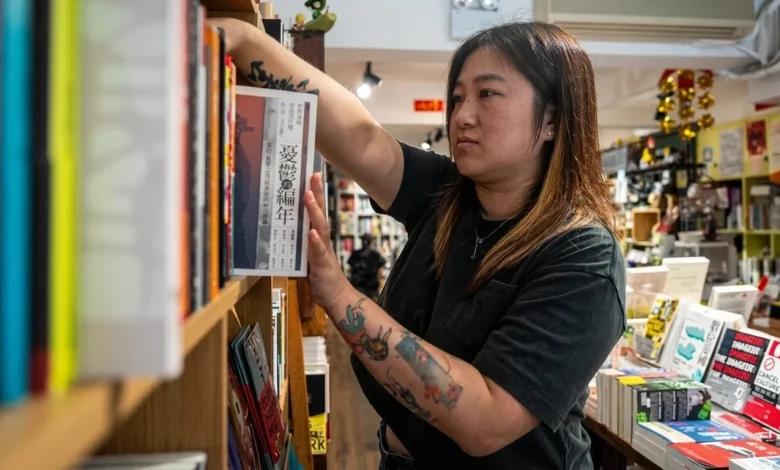
Table of Contents
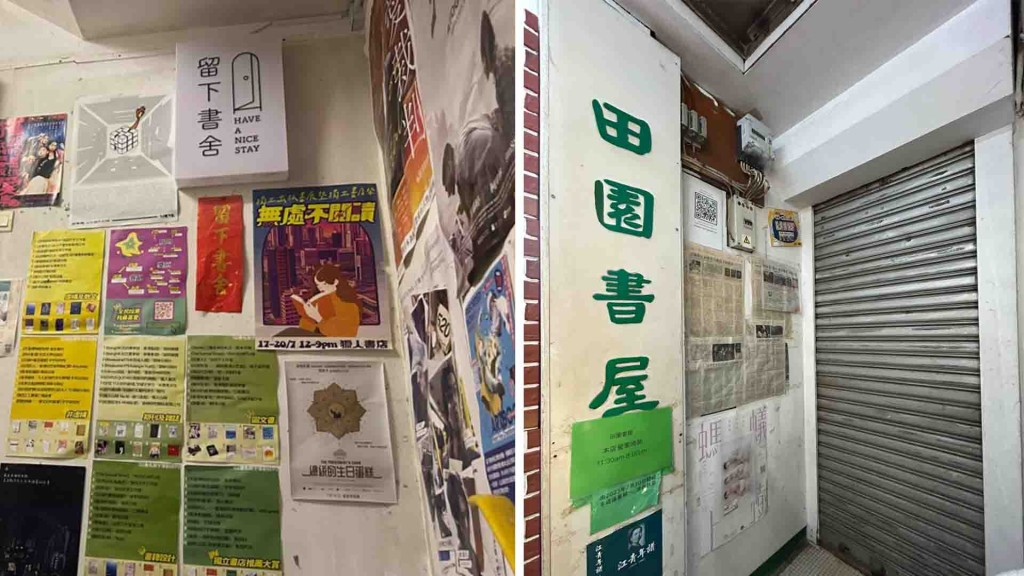
Hong Kong bookstore raids executed by national security police on July 15, 2026, represent a devastating blow to the city’s remaining independent literary sanctuaries. In a highly coordinated afternoon operation, officers targeted two prominent second-story bookshops in the Kowloon peninsula: “Have A Nice Stay” in Prince Edward and “Greenfield Book Store” in the bustling Mong Kok shopping district. Five individuals—two men and three women—were arrested under suspicion of displaying and offering for sale publications imported from overseas that allegedly possessed “seditious intention.” The raids, which unfolded as the city’s official, state-sanctioned Book Fair commenced across the harbor, have sent deep chills through Hong Kong’s cultural sector, signaling a complete closing of the window for independent publishing and critical thought.
Introduction to the Bookstore Crackdowns
Historically, Hong Kong was celebrated as the premier capital of independent publishing in East Asia. For decades, its liberal publication laws and robust protection of free speech allowed authors, publishers, and booksellers to produce and distribute literature that was strictly banned in mainland China. Mainlanders frequently crossed the border to purchase political memoirs, historical analyses, and investigative journalism, carrying these “forbidden fruits” back home in their suitcases. However, the political landscape has shifted dramatically. Following the implementation of the Beijing-imposed National Security Law in 2020 and the subsequent local Safeguarding National Security Ordinance in 2024, the space for intellectual diversity has shrunk to near non-existence. The recent events of July 15, 2026, underscore a targeted, systematic campaign to eradicate independent booksellers, transforming the city’s once-vibrant literary ecosystem into a highly monitored, state-controlled environment where any non-conforming narrative is labeled a threat to national stability.
A Coordinated Strike: Greenfield and Have A Nice Stay
The operations on Wednesday were not random occurrences but a synchronized, multi-pronged strike. National security officers converged on two distinct retail locations situated in Kowloon’s historic Mong Kok and Prince Edward districts. These neighborhoods have long been the epicenter of Hong Kong’s unique “second-story bookstore” culture. Because ground-floor retail rents in Hong Kong are among the highest in the world, independent and specialized bookshops historically rented cheaper, second- or third-floor spaces in older tenement buildings. These venues developed into intimate community hubs, quiet intellectual sanctuaries elevated above the noisy, neon-lit streets below. The targeting of Have A Nice Stay and Greenfield Book Store directly strikes at these historic spaces, dismantling the physical locations where readers, writers, and independent thinkers could gather and exchange ideas away from the gaze of the state.
The Logistics of the Police Raid
Eyewitness accounts, photos, and video footage published by local media outlets depicted a grim and highly mobilized scene. Scores of officers wearing vests marked “Police” secured the entryways of the buildings housing the two bookshops. Inside, investigators methodically searched bookshelves, storage rooms, and register areas, meticulously logging and confiscating dozens of cardboard boxes filled with books, journals, and promotional materials. Handcuffed bookstore employees were escorted out of the buildings and guided into unmarked police vans. In one widely shared video, a female employee wearing a black T-shirt that read “I am a bookstore employee” was led away in handcuffs. The suddenness and scale of the police actions have sparked international comparisons to other highly scrutinized political hearings and investigations that challenge state narratives. The heavy-handed tactical approach sent a clear message to the local community: independent bookselling is no longer treated as a simple commercial activity, but as a high-stakes national security offense.
Who Was Targeted: Profiles of the Detained
The five individuals arrested during the coordinated raids consist of two men and three women, all connected to the operations of the targeted establishments. Among the bookstores raided, Have A Nice Stay holds a particularly symbolic position in Hong Kong’s civil society. Founded in 2022 by a group of former professional journalists, including veteran reporter Sum Wan-wah, the bookstore was established in the wake of the forced closures of independent media powerhouses Stand News and Apple Daily. Deprived of their platforms to report the news, these journalists transitioned to curation, using Have A Nice Stay to preserve public memory, journalism ethics, and localized cultural studies. This aggressive policing has led to severe scrutiny of law enforcement tactics by human rights groups worldwide, who view the arrest of former media workers turned book merchants as a vindictive continuation of the state’s war on journalism and independent thought.
The 2024 National Security Law and ‘Seditious’ Intention
At the heart of the arrests lies the Safeguarding National Security Ordinance, commonly known as Article 23, which was fast-tracked and enacted by Hong Kong’s legislature in March 2024. This homegrown national security legislation updated and expanded colonial-era sedition laws, giving authorities sweeping powers to define and prosecute acts deemed harmful to national security. Under Article 23, the definition of “seditious intention” is remarkably broad, criminalizing any publication, speech, or act that incites hatred, contempt, or disaffection against the central Chinese government, the Hong Kong regional administration, or the local judicial system. The legal onslaught in Hong Kong echoes other global examples of extremism arrests and political crackdowns where independent voices are systematically silenced under the guise of state stability. By targeting booksellers under these updated statutes, the government has demonstrated that holding, displaying, or selling printed materials that critique the state is legally equivalent to actively plotting subversion.
Decoding Article 23 and Its Red Lines
The timing of the raids is particularly tragic and telling. Just one day prior, on Tuesday, July 14, Have A Nice Stay had published a social media post announcing its permanent closure, scheduled for August 30. The store’s management explicitly cited mounting financial difficulties combined with the “elusive red lines” of the current social and legal environment. In Hong Kong’s contemporary political climate, “red lines” are deliberately kept vague and shifting, forcing businesses and individuals to engage in constant, paralyzing self-censorship out of fear of crossing an invisible boundary. These aggressive measures point to broader systematic administrative shifts within the territory’s governing bodies to weed out any residual dissent. Police statements later confirmed that the seized publications were imported from overseas and allegedly intended to “spread anti-government ideology” under the guise of “cultural promotion,” proving that even private importations of literature are now treated with deep administrative suspicion.
The Growing Pattern of Bookstore Raids in 2026
The raids on Have A Nice Stay and Greenfield Book Store are not isolated incidents but part of an escalating, systematic campaign throughout 2026 to purge Hong Kong of independent bookstores. These coordinated operations demonstrate how local law enforcement is increasingly utilized to execute state-led security investigations targeted at civic organizations and independent businesses alike. Earlier in March 2026, national security officers raided Book Punch in the Sham Shui Po district, arresting four individuals. This was followed in June 2026 by a raid on Hunter Bookstore in Mong Kok, resulting in two arrests. The July 15 raids mark the third major intervention this year alone, demonstrating a rapid acceleration of the state’s security apparatus targeting the independent book trade. Below is a detailed chronological summary of the major bookstore raids in Hong Kong throughout 2026.
| Date of Raid | Targeted Bookstore | District Location | People Arrested | Key Context & Allegations |
|---|---|---|---|---|
| March 2026 | Book Punch | Sham Shui Po | 4 | Accused of possessing and selling seditious publications; store closed shortly after. |
| June 2026 | Hunter Bookstore | Mong Kok | 2 | Raided on suspicion of offering banned political literature imported from democratic regions. |
| July 15, 2026 | Have A Nice Stay | Prince Edward | 5 (combined) | Founded by former journalists; raided one day after announcing closure due to “elusive red lines”. |
| July 15, 2026 | Greenfield Book Store | Mong Kok | 5 (combined) | Targeted simultaneously for displaying and selling imported books with alleged “seditious intent”. |
Global Reaction and the Stifling of Free Expression
The coordinated crackdown has triggered widespread international condemnation and solidarity from neighboring democratic regions. On Thursday, July 16, Taiwan’s President Lai Ching-te took to social media to express deep solidarity with the arrested booksellers, stating that “every independent bookstore is an important bastion for ideas” and noting that when “books risk becoming incriminating evidence,” public discourse is severely curtailed. Lai drew parallels to Taiwan’s historical martial law and “White Terror” era, reminding the global community of the heavy cost of losing freedom. As international condemnation grows, the tightening of political control highlights the tension of clashing geopolitical policies between Beijing and Western democratic states. Human rights watchdogs like Amnesty International and advocacy groups like the Committee to Protect Journalists (CPJ) have released statements urging Hong Kong authorities to cease treating literary publishing and cultural exchange as an existential threat to national security.
The Extinction of Hong Kong’s Independent Literary Scene
The loss of these independent bookstores represents the slow, painful extinction of Hong Kong’s organic intellectual life. These establishments were never merely commercial bookshops; they operated as community safe spaces where readers could attend intimate book launches, join reading clubs, discuss philosophy, and engage in civic dialogue. The contrast was painfully apparent on Wednesday, as the official Hong Kong Book Fair opened its doors at the Convention and Exhibition Centre. While the official fair was sanitized, offering heavily vetted, state-approved literature and pro-establishment propaganda, the real, organic literary pulse of the city was being physically dismantled in the backstreets of Kowloon. The decline of the city’s intellectual diversity reflects a broader political reconfiguration, leaving little room for the democratic dialogue seen in societies governed by shifting public sentiment and elections. Without these independent physical spaces, the capacity for citizens to engage in non-state-sanctioned intellectual pursuits is drastically compromised.
The Future of Free Thought in the Territory
As the curtain falls on the physical presence of independent bookstores in Hong Kong, the struggle for free thought is entering a challenging new phase. Many cultural workers, publishers, and authors are looking for alternative pathways to survive, including moving operations to democratic safe havens like Taiwan or the United Kingdom, or transitioning entirely to digital, decentralized distribution networks. However, digital activism and underground reading circles carry immense personal risk under the broad surveillance powers of the national security police. For the five individuals arrested, the road ahead is fraught with legal complexity, likely drawing intense legal scrutiny and high-profile testimonies as they face up to seven years in prison. The fate of these booksellers will serve as a historical testament to the high price of words, ideas, and intellectual independence in a changing Hong Kong.