5 Shocking Facts About US-Iran Memorandum: Trump Peace Deal vs Obama’s JCPOA
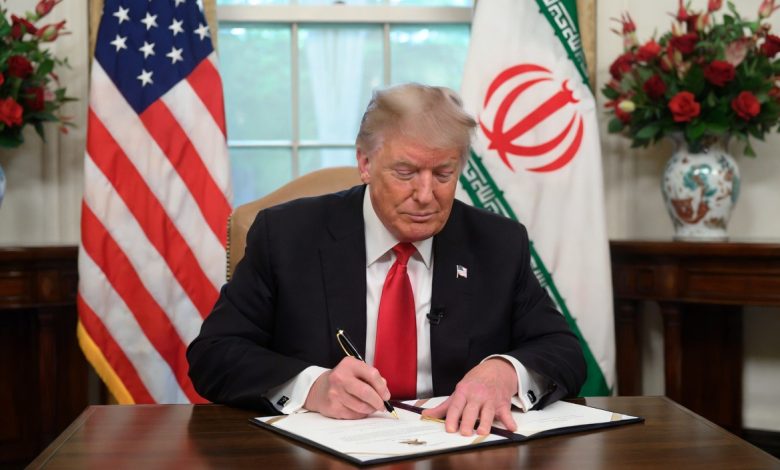
Table of Contents
US-Iran memorandum signed electronically on June 17, 2026, represents a monumental shift in international diplomacy, marking a tentative end to the highly destructive 110-day military conflict that has devastated global energy markets. Brokered through months of intense, back-channel mediation primarily led by Pakistan, the Islamabad Memorandum of Understanding (MoU) has been heralded by President Donald Trump as a historic breakthrough that will secure lasting peace in the Middle East. Trump has repeatedly asserted that this new framework is a vastly superior deal to the 2015 Joint Comprehensive Plan of Action (JCPOA) negotiated under President Barack Obama’s administration. However, foreign policy analysts, veteran diplomats, and domestic critics are pointing out a fundamental, inescapable reality: both agreements are built upon the exact same core transactional formula—the easing of severe U.S. economic sanctions on Iran in exchange for targeted strategic concessions from Tehran.
The Genesis of the US-Iran Memorandum of Understanding
The diplomatic breakthrough of mid-2026 did not emerge in a vacuum. It was forged in the crucible of a highly volatile regional war that erupted earlier in the year. Following months of direct military encounters, drone strikes, and a double naval blockade that brought the United States and Iran to the brink of an all-out war, global oil prices had surged to unprecedented heights. The complete closure of the Strait of Hormuz—the world’s most critical maritime corridor for energy transit—threatened to plunge the global economy into a severe depression.
As the international community faced mounting economic pressure, diplomats in Islamabad, Doha, Riyadh, and Ankara scrambled to establish an off-ramp. Under the leadership of Pakistani Prime Minister Shehbaz Sharif and Chief of Army Staff Field Marshal Asim Munir, a comprehensive 14-point framework was drafted. The resulting text was digitally signed on June 14, 2026, by Vice President J.D. Vance and Iranian Parliament Speaker Mohammad Bagher Ghalibaf, culminating in the formal virtual signature of President Trump and Iranian President Masoud Pezeshkian on June 17. The Islamabad Memorandum of Understanding instantly came into effect, paving the way for a 60-day window of high-stakes negotiations in Switzerland to hammer out a permanent treaty.
How the Islamabad MoU Compares to Obama’s 2015 JCPOA
President Donald Trump has positioned the new agreement as a masterclass in modern dealmaking, contrasting it with the 2015 JCPOA, which he famously characterized during his first term as the “worst and most one-sided transaction” the United States had ever entered. Yet, an objective examination of both agreements reveals that despite the vast differences in rhetoric, the underlying engine remains transactional diplomacy. Both frameworks rely on the basic trade-off of economic relief for security concessions.
While the JCPOA was a highly technical, multilateral nuclear accord involving the P5+1 powers (the United States, United Kingdom, France, Russia, China, Germany, and the European Union), the 2026 Islamabad Memorandum is primarily a bilateral stabilization pact designed to resolve an active military conflict while setting the stage for subsequent nuclear and proxy discussions. Below is a detailed comparative breakdown of how the two historic agreements stack up against one another:
| Key Feature | The Islamabad Memorandum (2026) | The JCPOA (2015) |
|---|---|---|
| Primary Mediators | Pakistan, Saudi Arabia, Qatar, Turkey, and Egypt | The P5+1 and the European Union |
| Hostility Resolution | Immediate end to active war, lifting of the U.S. blockade, and reopening of the Strait of Hormuz | Focused strictly on long-term nuclear containment; did not address active military hostilities |
| Sanctions Relief Structure | Immediate oil export waivers, unfreezing of assets, and a proposed $300B reconstruction program | Phased lifting of UN, EU, and U.S. secondary sanctions linked to verified IAEA compliance |
| Nuclear Commitments | Down-blending of enriched uranium on Iranian soil under IAEA supervision; status-quo maintained during talks | Strict enrichment caps (3.67%), massive reduction of centrifuges, and export of excess fissile material |
| Regional Proxies & Missiles | Includes direct provisions for a permanent ceasefire in Lebanon, directly affecting Hezbollah | Excluded regional proxy warfare and ballistic missile restrictions entirely |
| Framework Timeline | 60-day transitional window in Switzerland to negotiate a permanent treaty | Highly structured, multi-year timelines with formal sunset clauses spanning 10 to 15 years |
The Core Financial and Sanctions Relief Mechanisms
The primary incentive for Iran to enter into both agreements has always been economic survival. Under the newly signed Islamabad MoU, the Trump administration has agreed to immediately lift the U.S. naval blockade on Iranian ports within 30 days and grant immediate sanctions waivers for Iranian oil exports. This allows Tehran to instantly resume exporting crude oil to international buyers, providing an immediate influx of cash to an economy battered by war and years of maximum-pressure sanctions.
Furthermore, the memorandum paves the way for the unfreezing of tens of billions of dollars in Iranian assets held in foreign bank accounts, alongside a staggering $300 billion reconstruction and development program for the Islamic Republic, contingent upon the successful signing of a final treaty. Critics argue that this financial relief package is significantly more front-loaded and generous than the JCPOA, which required Iran to first undergo months of rigorous IAEA inspections and dismantle major portions of its nuclear program before receiving substantial economic relief.
Nuclear Restrictions and Safeguards
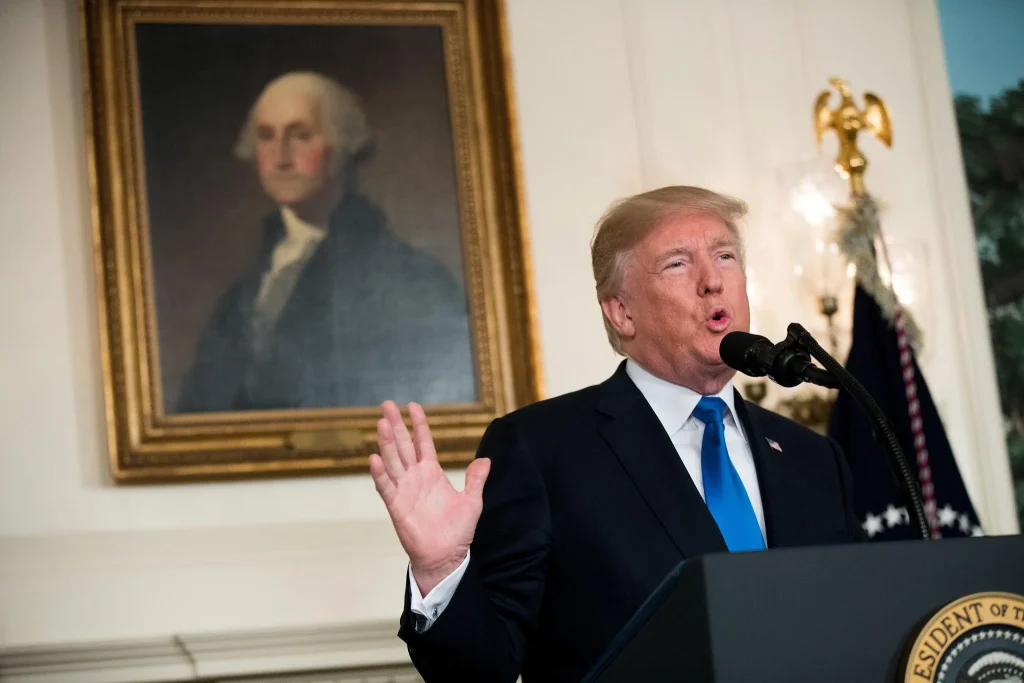
From the American perspective, checking Iran’s nuclear ambitions is a paramount national security objective. President Trump’s principal criticism of Obama’s JCPOA was that its “sunset clauses” eventually allowed Iran a clear pathway to a nuclear weapon while failing to stop its enrichment activities permanently. However, the Islamabad MoU’s approach to the nuclear file is remarkably open-ended.
Under the preliminary terms, Iran has conceded to down-blending (or diluting) its current stockpile of enriched uranium on its own soil, under the direct supervision of the UN’s International Atomic Energy Agency (IAEA). While senior U.S. officials have spun this as a major concession—characterizing it as “destroying the nuclear dust”—the agreement actually defers the most difficult, long-term technical questions. The decommissioning of centrifuges, the future of the heavy water reactors, and the permanent caps on enrichment are not resolved in the MoU; instead, they have been pushed to the upcoming 60-day negotiation phase in Switzerland. This stands in stark contrast to the JCPOA, which was a finished, highly detailed 159-page document that codified strict, mathematically precise limits on Iran’s nuclear infrastructure from the outset.
The 14-Point Framework: Key Provisions of the Accord
To understand the scope of the 2026 agreement, one must analyze the official 14-point document released by the U.S. and Iranian governments. The text outlines a transitional stabilization period aimed at transforming a volatile ceasefire into a durable regional architecture. The most consequential clauses include:
- Point 1: Ceasefire on All Fronts: Directs an immediate and permanent termination of military operations between the U.S., Iran, and their respective allies across all active fronts, explicitly including Lebanon.
- Point 2: Mutual Sovereignty: Commits both nations to fully respect each other’s national sovereignty and territorial integrity, with a pledge to refrain from interfering in internal affairs.
- Point 3: The 60-Day Deadline: Establishes a strict 60-day timeline to negotiate and achieve a final, comprehensive treaty, with provisions for extension via mutual consent.
- Point 4: Blockade Removal: Mandates that the United States immediately begin lifting its naval blockade, with a complete termination of related naval restrictions within 30 days.
- Point 5: Reopening the Strait of Hormuz: Commits Iran to ensuring the safe, toll-free passage of commercial vessels through the Strait of Hormuz for 60 days, allowing global energy shipping to resume immediately.
The remaining clauses focus on the mechanics of unfreezing funds, maintaining the nuclear status-quo during the Swiss talks, and establishing legal and security guarantees that will bind both parties under a United Nations Security Council resolution once a final agreement is reached.
Same Formula, Different Rhetoric: The Concessions Debate
The political drama surrounding the Islamabad MoU highlights a sharp paradox in American foreign policy. Trump’s political brand has long been defined by his fierce opposition to Obama’s diplomatic outreach to Tehran. By walking away from the JCPOA in 2018, Trump sought to prove that unilateral economic warfare would force Iran to capitulate entirely.
Yet, after 110 days of costly military hostilities that disrupted global supply chains and sent domestic energy prices skyrocketing, the Trump administration found itself adopting the very same transactional logic it once decried. Conservative hawks and regional security experts have expressed concern over this shift. The Foundation for Defense of Democracies (FDD) and other prominent national security think tanks have warned that by granting immediate oil waivers and allowing Iran to reap billions in revenue upfront, the United States has surrendered its primary source of leverage before securing any permanent, irreversible concessions on Iran’s nuclear program or ballistic missile arsenal.
Geopolitical Impact: Winners and Losers in the Middle East
The signing of the Islamabad MoU has sent shockwaves through the geopolitical landscape, eliciting a complex mixture of relief, anger, and opportunistic alignment across the globe. For European leaders and the G7 nations, the agreement is viewed as a vital economic lifeline. French President Emmanuel Macron warmly welcomed the deal during his dinner with Trump at the Palace of Versailles, emphasizing that reopening the Strait of Hormuz was essential to stabilizing the fragile European and global economies.
For Pakistan, the agreement represents a crowning diplomatic achievement. By positioning itself as a reliable mediator capable of bridging the deep chasm between Washington and Tehran, Islamabad has elevated its geopolitical standing. Conversely, Gulf Cooperation Council (GCC) states such as Saudi Arabia and the United Arab Emirates are reacting with measured caution. While they desperately want an end to the maritime war that threatened their own infrastructure, they remain deeply skeptical of Iran’s long-term commitment to non-interference and fear that a newly enriched Tehran will continue to fund and arm regional proxy networks.
Israel’s Reaction: Fury or Strategic Decoupling?
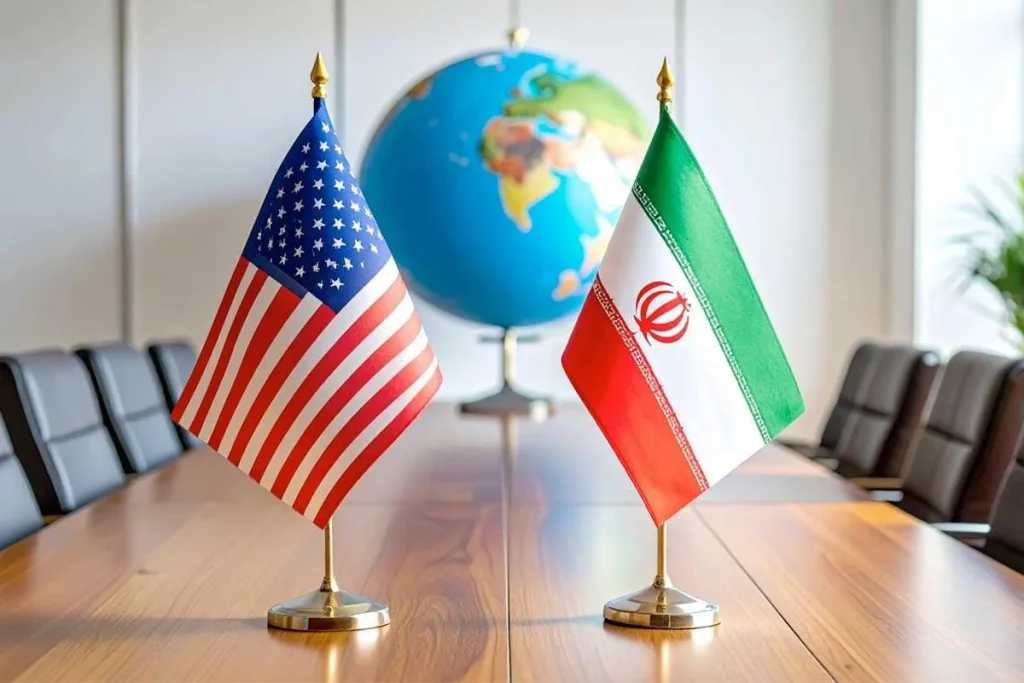
Perhaps the most intense backlash to the Islamabad Memorandum has occurred in Israel. Across the political spectrum in Jerusalem, the agreement has been met with profound anger and incredulity. Former senior Israeli officials, including Mark Regev, have publicly criticized the deal, arguing that Washington has prematurely removed economic and military pressure from the Iranian regime, leaving its regional proxy network and nuclear capabilities largely intact.
However, some astute military analysts suggest that the agreement may offer Israel a hidden strategic advantage. Because Israel was excluded from the negotiations and did not sign the memorandum, it is not legally bound by its terms. The Islamabad MoU is a strictly bilateral arrangement between Washington and Tehran. This severs the historical linkage where Israeli military planning was hostage to Washington’s diplomatic timelines. Free from the constraints of a formal U.S.-led coalition, Israel retains complete operational freedom to conduct targeted strikes against Iranian nuclear sites or Hezbollah infrastructure if it deems such actions necessary for its survival.
The Swiss Negotiations: Challenges in the Upcoming 60 Days
As the initial euphoria of the ceasefire subsides, the focus shifts to Switzerland, where formal diplomatic teams are set to convene to hammer out the final details of a permanent treaty. The 60-day deadline established by the memorandum is incredibly ambitious. Foreign policy experts, such as Suzanne Maloney of the Brookings Institution, have warned that the technical complexity of crafting a durable nuclear containment regime is staggering.
For a detailed analysis of the initial diplomatic reactions, read the Atlantic Council’s expert analysis. Negotiating teams must address highly contentious issues that the memorandum conveniently bypassed: the permanent fate of Iran’s advanced centrifuges, the verification protocols for inspections, and the integration of regional security concerns, including Iran’s ballistic missile program. With trust between Washington and Tehran at an all-time low following months of direct military conflict, the Swiss talks are bound to be contentious. If negotiations falter, President Trump has made it clear that the United States is fully prepared to resume its military campaign, leaving the region on a razor’s edge.