Trump Uncertain About Attending Son’s Wedding Amid Iran War Concerns
Introduction
The intersection of personal events and geopolitical crises often presents unique challenges for world leaders. Recently, former President Donald Trump addressed reporters at the White House, casting uncertainty on whether he would attend his son Donald Trump Jr.’s wedding to Bettina Anderson. Citing the ongoing Iran war and “other things,” Trump indicated that the timing was less than ideal for him to participate in the nuptials. This announcement has stirred discussions across various platforms, raising questions about the balance between personal obligations and national duties, especially during times of international conflict.
Trump’s Statement on Attendance
During the press briefing, when asked directly by NBC News about his attendance, Trump responded that it “is not good timing for me.” He acknowledged that his eldest son would like him to be there, describing the event as “just a small, little private affair.” Despite this, Trump emphasized the pressing nature of his responsibilities, stating, “I’m in the midst — I said, you know, this is not good timing for me. I have a thing called Iran and other things. That’s one I can’t win on”. This statement underscores the significant weight Trump places on his role in managing the complexities of the U.S.-Iran relationship, especially amidst military tensions and diplomatic negotiations.
Iran War as a Factor
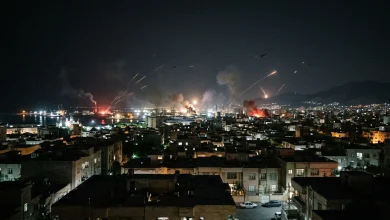
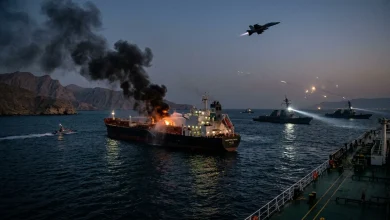
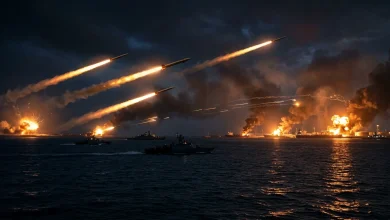
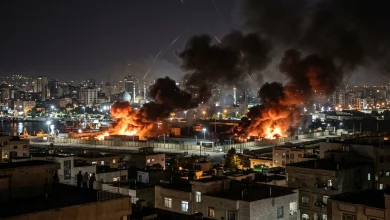
The Iran war has been a central focus of Trump’s foreign policy, marked by periods of heightened conflict and attempts at de-escalation. The United States and Iran have a long history of strained relations, further complicated by the ongoing war. Trump’s administration has previously faced critical decisions regarding military actions, economic sanctions, and diplomatic engagements with Iran. His reference to the “Iran war” as a reason for potential absence from his son’s wedding highlights the ever-present nature of this geopolitical challenge and its potential to influence even personal matters. The recent agency releases report on Buford’s Bar shooting Iran war link highlighting how deeply ingrained this conflict has become in the American conscious.
The complexities of the conflict are multifaceted, involving not only direct military confrontations but also proxy wars, cyber warfare, and economic pressures. Maintaining a strategic advantage while navigating international alliances requires constant attention and decision-making. Trump’s focus on the Iran war suggests that he views the situation as a critical national security matter that demands his immediate and unwavering attention.
Media Scrutiny and Perception
Trump also addressed the inevitable media scrutiny surrounding his decision, regardless of whether he attends the wedding. “If I do attend, I get killed. If I don’t attend, I get killed, by the fake news, of course,” he remarked. This comment reflects a recurring theme in Trump’s public appearances, where he often portrays the media as unfairly critical of his actions. The anticipation of media backlash highlights the intense pressure he faces, both personally and politically, in nearly every decision he makes.
The media’s role in shaping public perception is undeniable, and Trump’s awareness of this influence is evident in his remarks. Whether his presence at the wedding would be seen as a distraction from pressing national security issues or his absence would be interpreted as a lack of family commitment, Trump anticipates negative coverage. This anticipation underscores the challenges of leading a country in an era of constant media surveillance and instant public commentary.
Family Wishes and Sentiments
Despite his uncertainty, Trump conveyed his well-wishes for the couple, stating, “He’s got a very — a person who I’ve known for a long time, and hopefully they are going to have a great marriage”. This expression of support indicates a personal connection and investment in his son’s future happiness. Acknowledging that his son would like him to attend suggests a desire to balance his familial responsibilities with his duties as a public figure. The decision ultimately hinges on the perceived importance of his presence at the wedding versus his role in managing international affairs. He is not the first to face challenges when balancing personal life and politics as Netanyahu loses staunch ally as Italy suspends defense pact demonstrates.
Potential Impact on U.S.-Iran Relations
The U.S.-Iran relationship is a critical factor in Middle Eastern stability and global security. Trump’s policies toward Iran have included both aggressive measures, such as the imposition of sanctions and the targeted killing of Iranian military leaders, and diplomatic overtures, including potential negotiations. The ongoing war, characterized by proxy conflicts and occasional direct confrontations, requires careful management to prevent further escalation. His focus on this issue, even in the context of a personal family event, demonstrates its paramount importance in his decision-making process. In light of the current environment, backchannel diplomacy between the U.S. and Iran signals a potential 60-day deal.
Domestic Political Ramifications
Trump’s decision also carries domestic political ramifications. His supporters and critics alike will closely scrutinize his choice, interpreting it through the lens of their existing perceptions of his leadership. Attending the wedding could be seen as a sign of normalcy and a demonstration of family values, while abstaining might be viewed as prioritizing national security above personal commitments. The political narrative surrounding his decision will likely influence public opinion and potentially affect his broader political standing.
The ability to manage public perception and navigate media scrutiny is crucial for any political leader. Trump’s awareness of the potential for criticism, regardless of his choice, underscores the challenges of maintaining a positive image in a highly polarized political environment. This situation exemplifies the intersection of personal life and political career, where even seemingly private decisions are subject to public debate and judgment.
Comparison of Presidential Wedding Attendances
Historically, presidential attendance at family weddings has varied depending on the political climate and the nature of the event. Some presidents have made it a point to attend significant family milestones to demonstrate personal connection and support, while others have prioritized pressing national matters. The following table illustrates a few examples:
| President | Event | Attendance | Context |
|---|---|---|---|
| Lyndon B. Johnson | Daughter Luci’s Wedding | Attended | Amidst the Vietnam War, LBJ’s presence showed a sense of normalcy. |
| Richard Nixon | Daughter Tricia’s Wedding | Attended | Nixon’s attendance projected a strong family image during political turbulence. |
| Bill Clinton | Chelsea Clinton’s Wedding | Attended | Clinton’s presence was seen as a supportive gesture during his post-presidency. |
| George W. Bush | Jenna Bush’s Wedding | Attended | Bush’s attendance was a family priority amidst ongoing war efforts. |
| Donald Trump | Donald Trump Jr.’s Wedding | Uncertain | Amidst the Iran war, Trump weighs national security concerns against family obligations. |
Social Media Reaction
The news of Trump’s uncertainty quickly spread across social media platforms, generating a wide range of reactions. Supporters expressed understanding and emphasized the importance of his focus on national security, while critics questioned his priorities and accused him of using the Iran war as an excuse. The online discourse highlighted the polarized views surrounding Trump and his decisions, reflecting broader societal divisions.
Social media provides an immediate and unfiltered platform for public opinion, allowing individuals to express their views and engage in debates. The rapid dissemination of information, both accurate and misleading, can quickly shape perceptions and influence the narrative surrounding events. Trump’s awareness of this dynamic is evident in his frequent use of social media to communicate directly with his supporters and address criticisms.
Expert Analysis
Political analysts and foreign policy experts have weighed in on Trump’s situation, offering various perspectives on the implications of his decision. Some experts argue that prioritizing national security during a time of war is a necessary and responsible choice, while others suggest that attending the wedding could send a message of stability and normalcy. The debate reflects the complex considerations involved in balancing personal and professional responsibilities at the highest levels of leadership.
Experts emphasize the importance of maintaining a clear and consistent message during times of crisis. Trump’s decision, regardless of the outcome, will be closely analyzed for its potential impact on U.S.-Iran relations and domestic political dynamics. The ability to navigate these challenges effectively will be crucial for maintaining stability and projecting an image of strength and resolve.
Future Developments
As the wedding date approaches, Trump’s decision will likely remain a topic of public discussion. His final choice will be closely watched and interpreted by the media, political analysts, and the general public. The evolving situation with Iran and any potential shifts in domestic political dynamics could further influence his decision-making process.
The coming weeks will be critical in assessing the trajectory of U.S.-Iran relations and the broader geopolitical landscape. Any significant developments in these areas could have a direct impact on Trump’s ability to attend his son’s wedding and the subsequent perception of his leadership. The intersection of personal events and national responsibilities will continue to present unique challenges for Trump as he navigates these complex issues. It will be important to continue to monitor the Strait of Hormuz deal and other ongoing negotiations.
Conclusion
Donald Trump’s uncertainty about attending his son’s wedding, citing the Iran war and other pressing matters, underscores the complex interplay between personal life and political responsibilities. His statement reflects the significant challenges of leading a nation during times of international conflict and domestic scrutiny. Whether he chooses to attend or abstain, his decision will undoubtedly be subject to intense media coverage and public debate, further highlighting the unique pressures faced by world leaders. The situation serves as a reminder of the delicate balance between personal commitments and national duties in the modern political landscape. It is important to watch how the Hormuz Crisis develops in the near future. To get an idea of Trump’s approach to these kind of negotiations, an article was written when Majid Moghadasi’s Trump’s letter after 45000 protest deaths, might be helpful. For more information, see this external resource: Council on Foreign Relations – U.S.-Iran Relations.