Security Investigation: British Police Secure Israeli Embassy After Suspicious Object Discovery
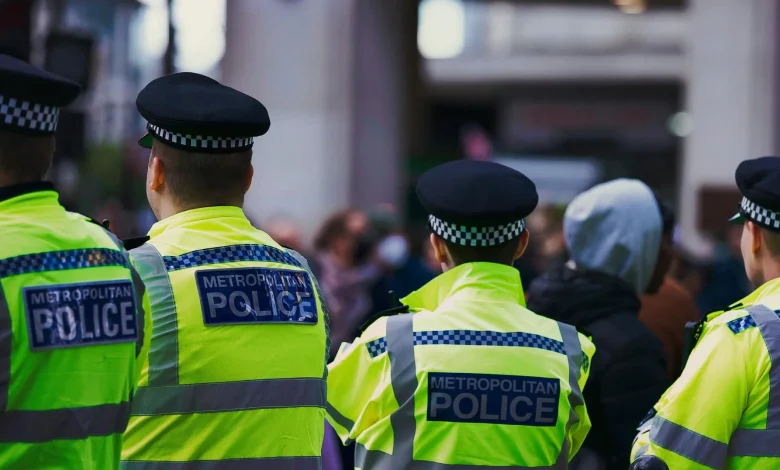
Security measures in London were rapidly elevated when the Metropolitan Police launched an immediate and thorough investigation into a suspected security incident near the Israeli embassy. Situated in a highly guarded and internationally significant diplomatic quarter, the unexpected discovery of suspicious objects prompted swift and decisive precautionary actions from specialized law enforcement units. Despite the initial alarm, authorities have definitively confirmed that no attack took place and there is absolutely no ongoing threat to public safety. This comprehensive analysis delves into the timeline of the event, the rigorous diplomatic security protocols observed by the host nation, the broader implications for international diplomatic missions, and the collaborative law enforcement efforts that ensure the absolute safety of both domestic citizens and foreign dignitaries residing in the United Kingdom.
The Discovery Near the Diplomatic Compound
The discovery of the unexplained items in close proximity to the embassy triggered an immediate operational shift for local constabularies. London’s diplomatic enclaves are subject to some of the most stringent surveillance networks globally, ensuring that any anomalies are detected within moments. When the suspicious objects were first identified by routine patrols, the transition from observational monitoring to active incident management was instantaneous. The immediate vicinity, known for housing numerous high-profile ambassadorial residences and embassies, was rapidly cordoned off to facilitate a safe and unhindered investigation by specialized tactical units. The rapid detection highlights the efficacy of the continuous security sweeps conducted in these sensitive metropolitan areas.
Initial Police Response and Evacuation Procedures
Within minutes of the discovery, the initial police response was executed with military precision. Outer cordons were established to restrict vehicular and pedestrian access, effectively isolating the area to prevent any potential civilian casualties in the highly unlikely event of an explosive detonation. Surrounding buildings were advised to enact their localized shelter-in-place protocols. Armed response vehicles, alongside emergency medical and fire services, were staged at the perimeter as a standard precautionary measure. Officers trained in advanced crowd management systematically directed bystanders away from the scene, ensuring that the primary operational zone was cleared solely for the use of emergency responders. This textbook execution of evacuation and isolation procedures is a fundamental component of the Metropolitan Police’s strategy for managing unverified threats.
Assessment of Suspicious Objects
The assessment phase was conducted by the highly specialized Explosive Ordnance Disposal (EOD) unit. Utilizing state-of-the-art diagnostic equipment, including remote-controlled tactical robots equipped with high-definition cameras and sensitive radiological sensors, the bomb squad approached the objects without risking human personnel. Explosive detection canines were also deployed to sweep the secondary perimeters, ensuring no supplementary devices had been hidden nearby. After a meticulous and prolonged examination, the EOD commanders determined that the objects were entirely benign and posed no risk of deflagration or chemical exposure. Such thorough analytical procedures are indispensable; in the realm of diplomatic protection, authorities operate under the strict mandate that no chances are ever taken, regardless of how innocuous an item may superficially appear.
Diplomatic Security Protocols in the United Kingdom
Protecting foreign embassies is not merely a courtesy but a strict international legal obligation under the 1961 Vienna Convention on Diplomatic Relations. The United Kingdom expends immense resources to honor these commitments, balancing the necessity for robust defense mechanisms with the desire to maintain London’s open and welcoming architectural landscape. The overarching framework of these protocols requires seamless integration between physical hardening, technological surveillance, and dynamic human intelligence, ensuring a formidable deterrent against potential hostile actions.
Standard Operating Procedures for Embassy Zones
The standard operating procedures for embassy zones in London are overseen by the Parliamentary and Diplomatic Protection (PaDP) command. This elite branch is responsible for providing armed and unarmed guarding, conducting vehicle checkpoints, and managing access control to restricted thoroughfares. The deployment of Hostile Vehicle Mitigation (HVM) barriers, blast-resistant structural reinforcements, and continuously monitored CCTV networks forms the baseline of this defensive posture. In the event of an incident such as the one recently witnessed, these pre-established SOPs dictate an immediate escalation to critical alert status, automatically mobilizing rapid reaction forces and triggering instant notifications to senior government and intelligence officials.
Collaboration Between Local and International Agencies
An incident near a high-profile target inevitably necessitates extensive collaboration between domestic law enforcement and international intelligence services. The Metropolitan Police work closely with MI5 and the respective foreign security liaisons stationed within the embassies to assess the credibility of potential threats. Information sharing is paramount, as global events often dictate localized risk levels. This collaborative approach ensures that any intelligence regarding extremist activities or targeted harassment campaigns is swiftly communicated, allowing for preemptive adjustments to physical security postures. You can learn more about local security strategies by reviewing the Metropolitan Police official directives on counter-terrorism and public safety.
Current Threat Level and Public Safety
Understanding the context of such incidents requires distinguishing between an active terror plot and a precautionary security sweep. In this instance, authorities have been definitive in their assessment: the event was a false alarm, and the broader threat level to the public remains unchanged. Such declarations are vital for maintaining societal calm and preventing the spread of unwarranted panic, especially in an era where misinformation can proliferate rapidly across digital platforms.
Official Statements from Metropolitan Police
Following the resolution of the incident, official statements from the Metropolitan Police were promptly disseminated to the public and the press. Senior commanders praised the vigilance of the initial reporting officers and the swift, professional actions of the specialized units. The messaging was clear and unambiguous: the situation was resolved, no arrests were made in connection with terrorism, and London remains a secure environment for both its residents and its international guests. These transparent communications are a cornerstone of modern policing, designed to build public trust and demonstrate the capability of state institutions to handle crises efficiently.
Maintaining Order in Kensington Palace Gardens
The specific location of the incident, near the famously affluent and heavily guarded Kensington Palace Gardens, requires an ongoing commitment to maintaining order without completely stifling the daily lives of residents and diplomatic staff. Once the all-clear was given, the process of standing down the operation was executed systematically. Cordons were lifted in phases, traffic diversions were reversed, and the visible presence of heavily armed officers was scaled back to normal baseline levels. The ability to rapidly secure an area, neutralise a potential threat, and subsequently restore normalcy is indicative of a highly resilient and adaptable law enforcement framework.
Broader Context of Global Diplomatic Security
Incidents of this nature do not occur in a vacuum; they are intrinsically linked to the volatile landscape of global geopolitics. Diplomatic missions are considered sovereign territory and act as symbolic representations of their home nations, making them focal points for protests, espionage, and occasionally, acts of asymmetric warfare. The overarching security strategy must therefore account for shifting international paradigms, regional conflicts, and the evolving tactics of transnational threat actors.
Heightened Alert Amid International Tensions
In recent times, international instability has compelled Western nations to elevate their domestic security readiness. For example, during significant geopolitical escalations, such as when Hezbollah Radwan forces halt IDF operations in contested zones, the ripple effects are felt globally, prompting embassies to enact heightened defensive postures. Similarly, high-stakes diplomatic breakthroughs, like the historic first Israel-Lebanon direct talk, often coincide with increased security threats from fringe factions opposed to normalization. European capitals have also observed shifting legal landscapes designed to protect vulnerable communities, mirroring stringent measures such as criminal penalties up to 8 years for hate crimes, all of which reflect a broader effort to safeguard diplomatic and civilian populations alike. Furthermore, the proactive defense strategies seen in the Middle East, such as when Macron and Starmer lead defense missions, underscore the interconnected nature of modern security architectures.
Comparative Diplomatic Security Incidents
To fully grasp the meticulousness of the London response, it is helpful to compare it to global standards. Across major capital cities, the protocol for unverified packages is universally stringent, though the execution varies based on local resources.
| Threat Level Assessment | Incident Characteristics | Standard Police Action Required |
|---|---|---|
| Level 1: Low | Unattended item, standard location | Visual inspection, public inquiry, low-level cordon. |
| Level 2: Moderate | Suspicious placement near sensitive infrastructure | Immediate cordon, evacuation of immediate vicinity, EOD consultation. |
| Level 3: High | Device with visible threatening components | Major area evacuation, deployment of specialized bomb disposal units, intelligence lockdown. |
| Level 4: Critical | Confirmed explosive or chemical agent | Full-scale counter-terrorism deployment, neutralization protocols, city-wide alert systems. |
The recent events near the Israeli embassy fall squarely into the Level 2 category, where the placement of the items warranted an aggressive but controlled and ultimately precautionary response.
Looking Ahead: Post-Incident Measures
The conclusion of an immediate security scare marks the beginning of the post-incident investigative phase. Law enforcement agencies engage in comprehensive debriefings and forensic analyses to extract valuable lessons and enhance future readiness. Even when an incident is declared a false alarm, the data gathered during the response is invaluable for refining tactical doctrines and updating risk assessments.
Enhancing Surveillance and Patrols
In the aftermath of the discovery, it is highly likely that there will be a temporary but noticeable increase in overt patrols in the affected district. Intelligence officers will rigorously review thousands of hours of CCTV footage to identify the origins of the suspicious items. Was the placement accidental, a deliberate test of emergency response times, or merely discarded refuse? Determining the precise timeline and identifying the individuals responsible for leaving the objects is critical for completely closing the investigative loop. Security architectures may also receive subtle upgrades, such as optimized camera angles or the introduction of advanced thermal imaging to detect unauthorized approaches to the perimeter during nighttime hours.
Community Reassurance and Ongoing Vigilance
Ultimately, the objective of these visible security measures is to provide community reassurance while maintaining an unwavering state of vigilance. The Metropolitan Police have successfully demonstrated their capacity to neutralize potential threats without inducing widespread panic. Continuous public engagement programs remind citizens of the importance of reporting suspicious activities. The phrase “If you see something, say something” remains a vital pillar of the United Kingdom’s domestic security apparatus. As global dynamics continue to evolve, the synergistic relationship between an alert public, responsive law enforcement, and robust diplomatic protocols will remain the ultimate safeguard against acts of terrorism and disruption in the heart of London.