US sailor went overboard during extended deployment for Iran war 2026
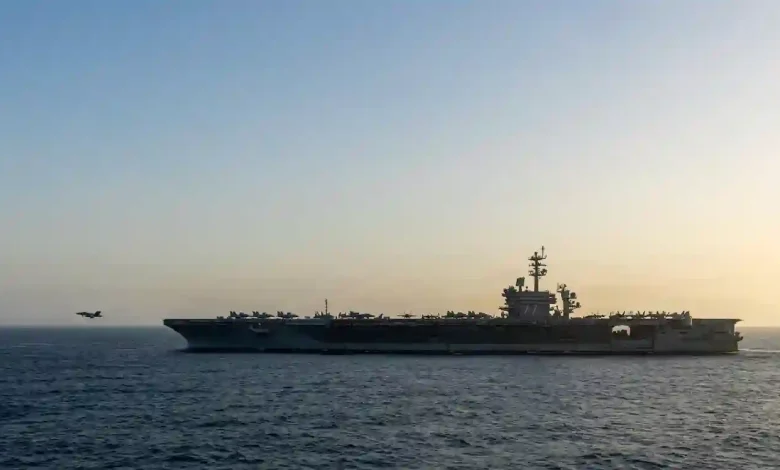
Table of Contents
US sailor went overboard during the extended Middle East deployment of the USS Abraham Lincoln, a U.S. official confirmed, exposing a deeper crisis of deteriorating mental health and grueling operational conditions aboard the aircraft carrier. The incident, which occurred in early August, has intensified pressure on the Pentagon as military families and congressional lawmakers demand immediate answers regarding the welfare of the approximately 5,000 service members on board. Amidst the ongoing military operations against Iran, the physical and psychological toll on American servicemen has reached what many families describe as a breaking point.
US Sailor Went Overboard: The Shocking Incident Aboard the USS Abraham Lincoln
The situation came to a head on August 3, when a sailor fell overboard from the Norfolk-based Nimitz-class aircraft carrier. Though U.S. Central Command asserted that the individual was quickly and safely recovered without sustaining life-threatening injuries, the incident has highlighted a massive gap between official reassurances and the harrowing reports emerging from the ship’s crew. Unlike standard search-and-rescue drills, this event occurred under high-pressure conditions in active military sectors, adding to the growing list of concerns about the safety and stability of the carrier’s crew.
As first reported by CNN, the sailor was medically evaluated immediately after the rescue. However, the Navy has been tight-lipped regarding the precise circumstances that led to the sailor going over the side, leaving families and watchdog groups to question whether the event was an accident or a deliberate act of desperation. This incident did not occur in isolation; it took place amid widespread reports of worsening mental health, extreme exhaustion, and multiple suspected suicide attempts among the crew.
A Modern Record of Endurance: Why the Lincoln Remains at Sea
To understand the depth of this crisis, one must look at the exceptional length of the carrier’s deployment. The Abraham Lincoln departed its home port in San Diego on November 21, originally slated for a standard cruise in the South China Sea. However, as geopolitical tensions boiled over into active combat, the carrier group was redirected to the Middle East. This pivot was driven by the aggressive deployment strategies associated with Trump’s war against Iran, requiring a continuous, heavily armed American presence in the region.
As of mid-August, the vessel has been deployed for over 260 days, setting a modern record for the longest consecutive days at sea without a standard port visit. The carrier spent an unprecedented 208 days in open water before making a brief, highly controlled stop , Oman, in July. This lack of respite has left the crew physically isolated and mentally fatigued, particularly as they patrol near the strategic Strait of Hormuz, a highly volatile maritime corridor where the threat of drone and missile attacks remains constant.
| Metric / Operational Variable | Abraham Lincoln (CVN 72) Details |
|---|---|
| Home Port Transition | San Diego, CA to Bremerton, WA (In Limbo) |
| Deployment Start Date | November 21, 2025 |
| Total Days Deployed | Over 260 Days |
| Consecutive Days at Sea | 208 Days (Modern Record) |
| Notable Ports of Call | Guam (December), Oman (July) |
| Crew Capacity | Approx. 5,000 Sailors & Marines |
| Confirmed Overboard Events | 1 Recovered ; Multiple Aborted Attempts |
Severe Morale Collapse: Multiple Sailors Attempting to Jump Overboard
The prolonged deployment has triggered a severe psychological crisis within the ranks. Military news outlets, including the Navy Times and Stars and Stripes, have published alarming testimonies from family members who claim that at least six other sailors have tried to jump overboard during this deployment. In one documented instance, a sailor on watch spotted a shipmate preparing to leap over the side and physically intervened, grabbing the individual’s arms and dragging them back onto the deck with the help of three other crew members.
These acts of desperation are directly linked to the relentless pace of U.S. combat operations. of those deployed have shared heartbreaking text messages, with one wife revealing that her told her he “hopes he doesn’t wake up tomorrow”. Another spouse, Annabelle Loma, spoke out about her , a 13-year Navy veteran who is now on medical hold after attempting to jump overboard. Loma expressed deep anxiety that her career would be ruined by a dishonorable discharge simply because he reached a mental breaking point after months of unremitting stress.
Living Conditions Under Scrutiny: Plumbing, Supplies, and Rations
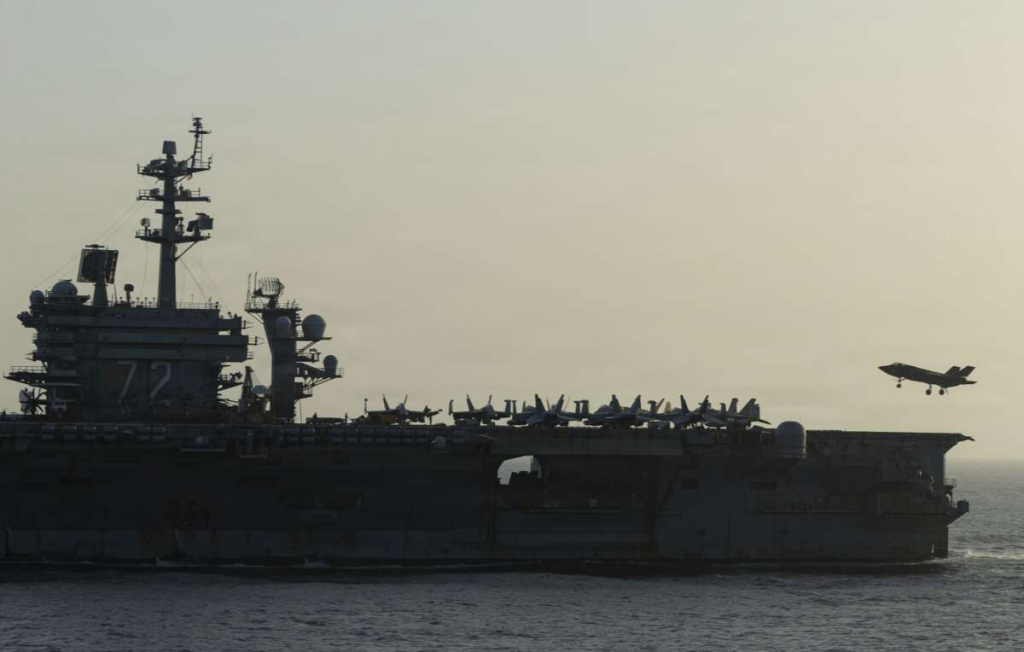
Compounding the psychological strain are the deteriorating physical conditions aboard the aircraft carrier itself. Representative Mike Levin and other lawmakers have cited severe quality-of-life failures that have made daily existence on the ship a grueling test of survival. Reports from the crew indicate that the ship has faced persistent plumbing issues, broken toilets, and showers infested with mold. For weeks at a time, laundry services have been offline, and hot water has been a rare luxury.
Food and basic hygiene supply shortages have also plagued the carrier. Families claim that meals have occasionally been rationed down to meager portions, such as half a cup of rice and two tortillas. Essential items like toothpaste, soap, and deodorant have run out, forcing sailors to endure high-stress combat shifts without basic sanitation. These harsh conditions are particularly hazardous on the high-speed flight deck, where sailors must maintain absolute focus to avoid deadly accidents involving spinning propellers, roaring jet engines, and heavy ordnance. Operational safety concerns are already at an all-time high following other regional losses, including a tragic U.S. military helicopter crash in the Arabian Sea.
Lawmakers Demand Answers: Senator Blumenthal’s Inquiries
The mounting public outcry has forced Capitol Hill to take action. Senator Richard Blumenthal, a prominent Democrat on the Armed Services Committee, recently penned a scathing letter to Defense Secretary Pete Hegseth. Blumenthal demanded a comprehensive investigation into the Navy’s force generation model and the physical conditions aboard the USS Abraham Lincoln. He argued that while the Defense Department owes these service members top-tier support, relying on repeated, indefinite deployment extensions is an unsustainable practice that breaks trust with military families.
Furthermore, Senator Ruben Gallego has called for a bipartisan congressional delegation to conduct an official oversight visit to the carrier to inspect the reported conditions firsthand. Families of the crew have directly confronted naval leadership, including acting Navy Secretary Hung Cao, during heated town hall meetings in San Diego. Spouses accused the leadership of failing to protect the mental health of their loved ones, pointing out that the ship’s own medical personnel had warned that sailors would begin to “lose their minds” if they did not reach a port soon.
Evaluating the Broad Economic and Strategic Costs
The crisis aboard the USS Abraham Lincoln reflects the broader strain that active regional blockades place on the United States military. This deployment, meant to project strength, has come at immense material and financial expense, adding significantly to the soaring costs of the Iran war. Beyond the financial strain, the continuous deployment of carrier strike groups limits the Navy’s strategic flexibility in other key global theaters, such as the Indo-Pacific region.
At the same time, the aggressive enforcement of blockades is tightly intertwined with Trump’s economic war, which seeks to choke off Iranian oil exports. While the administration boasts about the effectiveness of these maritime blockades, the operational realities on the water tell a different story. With US Central Command fires continuing to target non-compliant vessels in the Gulf of Oman, the demand on American sailors remains relentless. The planned rotation of the USS George Washington to relieve the Lincoln offers a glimmer of hope for the exhausted crew, but for many families, the psychological scars of this historic deployment will take years to heal.