USS Abraham Lincoln Sailor Crisis: Navy Confronts Mental Health Strain 2026
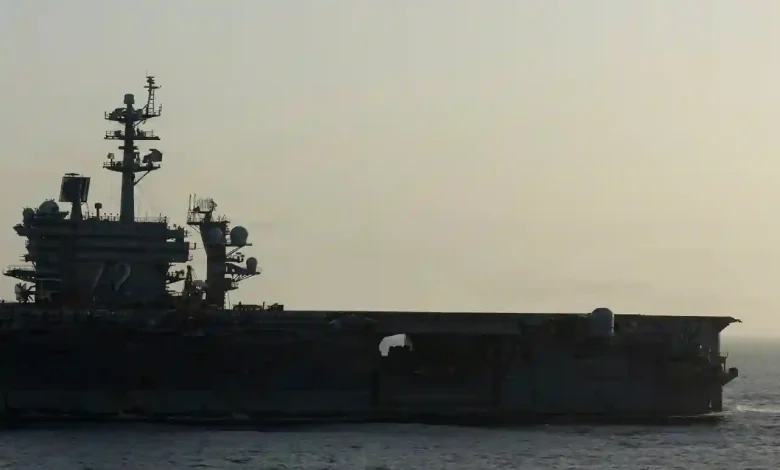
Table of Contents
USS Abraham Lincoln, a Nimitz-class aircraft carrier currently serving as a focal point of American power projection in the Middle East, is facing intense scrutiny following a series of alarming reports concerning the mental health and living conditions of its crew. Last month, a sailor went overboard from the carrier, highlighting the severe emotional and physical toll of an eight-month-long deployment. The ship’s crew of roughly 5,000 sailors and Marines has been subjected to relentless operational stress, serving in high-tempo defense operations that began in late 2025 and have been repeatedly extended. CNN’s Pamela Brown, reporting from the Arabian Sea, highlighted that the overboard incident is just one of many escalating problems on the ship, which is operating amid the rising financial and human costs of a potential US-Iran war.
Abraham :The August Overboard Incident and Immediate Response
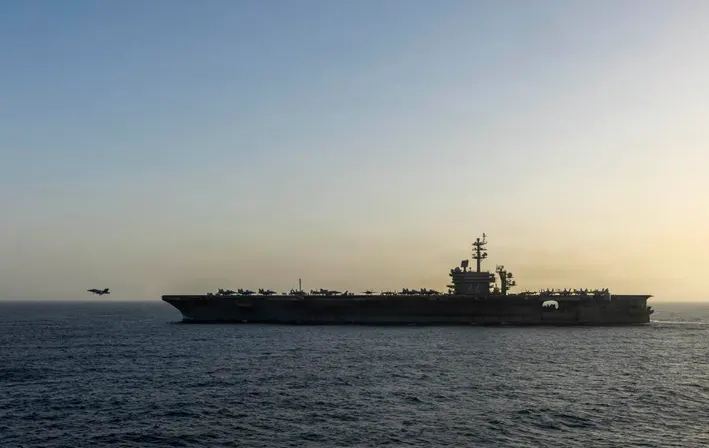
On August 3, 2026, a sailor went overboard from the massive flight deck of the carrier, triggering an immediate and tense search-and-rescue operation. According to U.S. officials speaking with CNN, the sailor was successfully and quickly recovered from the water and immediately transferred to the ship’s medical bay for a thorough physical and psychological evaluation. While the Navy confirmed the physical recovery was successful, the underlying circumstances that led to the sailor going overboard remain under investigation. The incident occurred at a time of heightened scrutiny regarding the mental health of personnel assigned to the Carrier Strike Group. The ship’s mission requires constant vigilance, with fighter jets conducting routine night-time patrols around the critical patrols around the critical Strait of Hormuz to deter hostile activities. However, the operational tempo has left many questioning if the human cost of these continuous naval standoffs is sustainable.
Abraham :Record-Breaking Deployment and Mental Health Strain
The USS Abraham Lincoln originally departed its home port of San Diego, California, on November 21, 2025, with expectations of a standard deployment ending in May 2026. However, as geopolitical tensions spiked in the Middle East, the carrier was redirected to support defensive flight operations. This prolonged presence has pushed the crew’s endurance to unprecedented limits. To date, the ship has spent more than 250 consecutive days at sea without a standard port call, setting a modern-day record for an aircraft carrier. The grueling nature of this deployment is directly linked to the intensifying geopolitical theater of the US-Iran conflict, where naval forces must maintain continuous combat readiness. Reports from independent military outlets, such as the Military Times, suggest that the August 3 overboard incident is not an isolated case. Families of crew members have disclosed that multiple sailors have attempted or threatened to jump overboard in recent weeks out of sheer exhaustion and despair. Spouses of the deployed personnel have voiced deep concerns about the rising frequency of suicidal ideation on the ship, indicating that the mental health safety net aboard is buckling under the weight of an indefinite mission.
Abraham :Deteriorating Living Conditions and Supply Shortages
In addition to the mental health crisis, sailors aboard the Lincoln have reportedly struggled with a severe decline in basic living standards. Congressional representatives have flagged reports of food shortages, water contamination, broken plumbing, and major deck safety issues. According to Navy officials, the carrier is operating in a highly contested maritime environment where traditional logistics networks and Middle Eastern supply hubs have been severely disrupted. Consequently, leadership was forced to prioritize incoming deliveries, focusing on mission-critical ammunition, then food and basic hygiene products, while letting standard mail and care packages fall behind. This logistical bottleneck occurred as the carrier sustained frequent US military airstrikes in the region, further straining the onboard supply lines. The physical state of the ship has compounded the emotional fatigue of the crew. When potable water systems fail or plumbing issues persist in a metal hull carrying thousands of people, the environment quickly becomes a pressure cooker. Families report that communication has been sparse, and when emails do get through, they paint a bleak picture of an exhausted crew fighting not just an external adversary, but also the deteriorating state of their own ship.
Abraham :Emotional Family Clashes and Calls for Transparency
The growing crisis aboard the USS Abraham Lincoln has sparked immense anxiety among military families back home. At a highly emotional town hall meeting held in San Diego, over 200 family members confronted senior Navy officials, including acting Navy Secretary Hung Cao. Spouses and parents tearfully detailed the harrowing messages they have received from their loved ones. One spouse revealed a text message from her husband stating that he “hopes he doesn’t wake up tomorrow,” illustrating the critical state of morale on the ship. Another family member recounted how her husband, an experienced sailor with over a decade of service, had attempted to jump overboard due to burn-out, only to be placed in a medical hold with little communication allowed to his family. The sentiment among families is one of broken trust. Many feel that the Navy leadership has failed to provide a transparent timeline for when the crew will return home. They argue that the continuous extensions of the deployment, combined with the imminent threat of a full-scale US war with Iran, have placed an unfair and dangerous burden on the families and their deployed relatives.
Abraham :Congressional Pressure and the Pentagon’s Response
The reports of deteriorating conditions on the Lincoln have caught the attention of federal lawmakers, leading to demands for formal investigations. Connecticut Senator Richard Blumenthal, a member of the Senate Armed Services Committee, penned a scathing letter to Defense Secretary Pete Hegseth and the Navy leadership. Blumenthal called for a comprehensive accounting of the carrier’s conditions, asking how the Navy monitors fatigue and what metrics are used to evaluate crew readiness. Concurrently, Senator Ruben Gallego proposed an official, bipartisan Senate delegation visit to the ship to assess the situation first-hand. Lawmakers are increasingly concerned that the Navy’s strategic focus on the disruption to crucial Iranian energy infrastructure and defensive positioning is overshadowing basic human needs and safety protocols. However, Defense Secretary Pete Hegseth has pushed back against these claims, stating that media reports of poor conditions on the Lincoln were “completely misrepresented.” During a press conference, Hegseth emphasized that the military strives to provide every crew with the necessary resources but acknowledged that prolonged deployments under austere conditions are sometimes necessary. Furthermore, the US Central Command (CENTCOM) released a statement on social media emphasizing that the Lincoln maintains an exceptionally high crew reenlistment rate of 84.4%, arguing that the crew remains resilient despite having expended over 1.5 million pounds of ordnance during their mission.
Abraham :Deployment and Operational Comparison
To understand the unprecedented scale of the USS Abraham Lincoln’s current deployment, it is useful to compare its metrics against standard aircraft carrier deployment guidelines. Normally, a carrier strike group deploys for approximately six to seven months, with multiple scheduled port visits to allow for crew rest, ship maintenance, and logistics replenishment. The current operational parameters for the Lincoln have shattered these norms. The table below contrasts standard U.S. Navy deployment guidelines with the recorded reality of the USS Abraham Lincoln’s 2025–2026 mission in the Middle East.
| Deployment Metric | Standard Navy Guideline | USS Abraham Lincoln Reality (2025–2026) |
|---|---|---|
| Total Deployment Length | 6 to 7 Months | 9+ Months (Ongoing) |
| Consecutive Days at Sea | 45 to 60 Days (Max without Port Call) | 250+ Days (Modern Record) |
| Port Calls/Visits | 3 to 5 Per Deployment | 1 Brief Stop (Naval Base Guam, Dec 2025) |
| Ordnance Expended | Variable (Training/Minor Ops) | 1.5+ Million Pounds |
| Primary Operational Focus | Deterrence & Exercises | High-Intensity Defensive Flight Operations |
Abraham :Regional Tensions and the Impending Relief Mission
The high operational tempo of the Lincoln is a direct consequence of the broader regional conflict. U.S. military assets have been pushed to their absolute limits to manage high-stakes diplomatic standoffs where Tehran rejects US demands. This geopolitical gridlock has forced the Pentagon to maintain a robust carrier presence in the region to protect commercial shipping and allied assets from potential retaliatory strikes. The constant threat of escalation has made it difficult for military commanders to rotate ships out of the theater without creating a perceived vulnerability. To address the growing crisis and give the exhausted crew of the Lincoln their long-overdue relief, the Pentagon has initiated a contingency plan. A U.S. official confirmed that the USS George Washington carrier strike group is currently en route to the Middle East. The George Washington, which recently completed a port visit in Vietnam, is expected to arrive in the region within a week to relieve the Lincoln. This relief mission is critical to mitigating the pressures of a widening regional conflict that has strained both the physical machinery of the Navy and the mental health of its service members. While the swap is a positive development, military families and advocacy groups argue that systemic changes are needed to prevent future crews from facing similar breaking points.