Karachi Port Trust Ushers a New Era for Business Partners
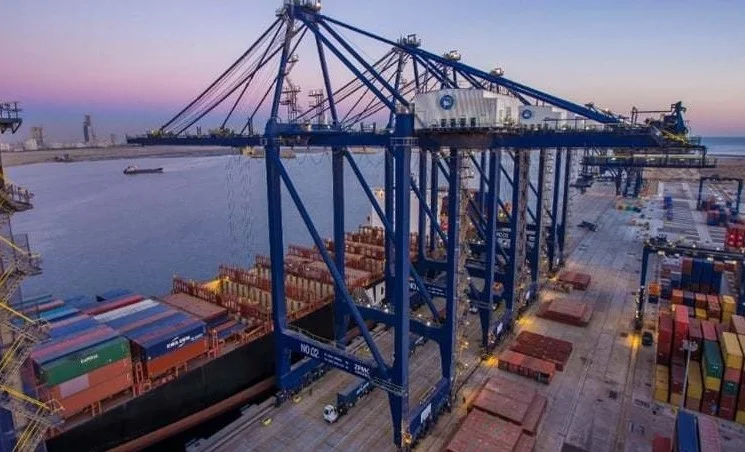
Karachi Port Trust represents the primary maritime gateway of Pakistan, and it is officially announcing a paradigm shift in its operational strategies to empower its vast network of business partners. By unveiling a comprehensive master plan that prioritizes efficiency, transparency, and technological integration, this historic institution is setting the stage for an unprecedented era of economic prosperity. The global supply chain relies heavily on the seamless flow of goods through strategic chokepoints, and modern ports must continuously evolve to meet the escalating demands of international trade. Recognizing its pivotal role in regional commerce, the port authority has initiated a series of sweeping reforms designed to completely overhaul the traditional mechanisms of cargo handling, terminal operations, and hinterland connectivity. Through these forward-thinking initiatives, the administration is deeply committed to eliminating historical bottlenecks that have previously hindered the rapid movement of freight. As global markets become increasingly competitive, the necessity for robust, agile, and resilient maritime infrastructure has never been more pronounced. By actively engaging with terminal operators, shipping lines, freight forwarders, and customs authorities, the port is ensuring that its structural and digital upgrades directly address the practical challenges faced by its commercial allies. This sweeping transformation is not merely about upgrading physical infrastructure; it is fundamentally about cultivating a synergistic ecosystem where every stakeholder can thrive. As we delve into the multifaceted dimensions of this strategic overhaul, it becomes clear that this revitalization effort will serve as a catalyst for sustained economic growth and regional maritime dominance.
Karachi Port Trust: A Historical Perspective
To fully appreciate the magnitude of the current transformations, one must first examine the rich and complex history of this monumental maritime establishment. Established in the late nineteenth century, the port has consistently served as the economic lifeline of the region, facilitating trade that has shaped the geopolitical and economic landscape of South Asia. Over the decades, the port has witnessed massive expansions, evolving from a modest anchorage into a sprawling maritime complex capable of handling diverse cargo types, including liquid bulk, dry bulk, and containerized freight. During the critical years of the twentieth century, it played a highly strategic role in maintaining supply chains during global conflicts and regional crises, proving its resilience and operational robustness. Following the creation of Pakistan, it assumed the immense responsibility of handling virtually all of the newly formed nation’s seaborne trade. The relentless growth in cargo volumes necessitated continuous dredging, the construction of new berths, and the implementation of advanced navigation systems. However, despite these periodic upgrades, the rapid acceleration of global globalization in the twenty-first century exposed certain infrastructural and procedural limitations. The legacy systems, once considered state-of-the-art, gradually became cumbersome in the face of mega-vessels and hyper-connected supply chains. Understanding this historical trajectory is essential because the current administration is not discarding its heritage; rather, it is building upon a century of maritime expertise to engineer a modern, future-proof gateway that honors its past while aggressively pursuing future innovations.
The Catalyst for Change: Modernization and Digitalization
The primary driver behind this newly ushered era is a relentless commitment to modernization and digitalization. In an industry where time directly correlates with financial expenditure, outdated manual processes are no longer viable. The authority has launched an aggressive campaign to digitize every facet of port operations, effectively transitioning from an analog framework to a highly sophisticated digital ecosystem. This digital transformation encompasses the deployment of advanced Terminal Operating Systems (TOS) that provide granular, real-time visibility into cargo movements, yard planning, and vessel berthing schedules. By replacing siloed databases with unified, cloud-based architectures, the port enables secure and instantaneous data sharing among all authorized stakeholders. This level of transparency dramatically reduces administrative friction, minimizes errors associated with manual data entry, and accelerates decision-making processes. Furthermore, the integration of Electronic Data Interchange (EDI) protocols ensures that communication between shipping lines, customs agents, and terminal operators is seamless and instantaneous. The shift towards a paperless environment not only streamlines administrative workflows but also significantly mitigates the risk of fraudulent activities and document tampering. For business partners, this translates to predictable supply chain timelines, lower operational overheads, and the ability to proactively manage their logistics operations rather than reactively responding to unforeseen delays.
Implementing Smart Port Technologies
Building upon the foundational digitalization efforts, the integration of smart port technologies stands as a testament to the authority’s forward-looking vision. The deployment of Internet of Things (IoT) sensors across the terminal infrastructure allows for continuous monitoring of equipment health, environmental conditions, and traffic flow. Cranes, straddle carriers, and tugboats are now equipped with intelligent telemetry systems that feed real-time performance data back to a centralized command center. This wealth of data facilitates predictive maintenance, a revolutionary approach that identifies potential mechanical failures before they occur, thereby minimizing unscheduled downtime and ensuring maximum equipment availability. Additionally, Artificial Intelligence (AI) algorithms are being leveraged to optimize yard allocation and container stacking sequences, reducing the number of non-productive container moves and accelerating truck turnaround times. The implementation of automated gate systems featuring optical character recognition (OCR) and biometric authentication has virtually eliminated congestion at the port’s entry and exit points. By harnessing the power of these cutting-edge technologies, the port is fundamentally redefining the standard for operational excellence, offering its business partners an unparalleled level of efficiency and reliability.
Streamlining Customs and Clearance Procedures
One of the most persistent challenges for traders and freight forwarders has traditionally been the complexity and duration of customs clearance procedures. Recognizing this critical bottleneck, the port administration has collaborated extensively with federal customs authorities to completely overhaul the clearance framework. Central to this initiative is the full operationalization of the Pakistan Single Window (PSW) system, a transformative digital platform that allows traders to submit all necessary regulatory documents through a single, unified interface. This eliminates the need for redundant submissions to multiple government agencies, drastically reducing the time and cost associated with regulatory compliance. Furthermore, the implementation of risk management systems, powered by advanced data analytics, allows customs officials to quickly identify high-risk shipments for physical inspection while seamlessly expediting the clearance of low-risk, compliant cargo. The introduction of non-intrusive inspection (NII) technologies, such as advanced X-ray scanners, further accelerates the examination process without compromising national security. According to the World Bank’s transport and logistics sector guidelines, optimizing border compliance is crucial for improving a country’s logistics performance index. By adopting these international best practices, the port is demonstrating a profound commitment to facilitating trade and creating a highly conducive environment for commercial partners.
Economic Implications for Pakistan’s Maritime Sector
The strategic upgrades and procedural reforms currently underway hold profound economic implications not only for the port itself but for the broader national economy. As the primary conduit for the country’s international trade, the efficiency of the port directly impacts the competitiveness of domestic exports on the global stage. By significantly reducing vessel turnaround times and container dwell times, the port is lowering the aggregate cost of logistics, thereby making local products—such as textiles, agricultural goods, and manufactured items—more attractive to international buyers. Conversely, the reduction in import costs for essential raw materials and capital goods bolsters domestic manufacturing capabilities and helps control inflationary pressures. The enhanced operational capacity also positions the port to handle increased cargo volumes associated with regional economic corridors, thereby generating substantial revenue through transit trade. Moreover, the creation of a business-friendly, highly efficient maritime hub acts as a magnet for foreign direct investment (FDI). International logistics firms, terminal operators, and maritime service providers are increasingly viewing the port as a lucrative destination for capital deployment. The economic ripple effects of these developments extend far beyond the docks, creating thousands of skilled jobs in the logistics, technology, and service sectors, ultimately contributing to a more robust and resilient national economy.
Fostering Stronger Relationships with Business Partners
At the core of this new era is a profound shift in the port authority’s approach to partner relationship management. Moving away from a traditional, purely regulatory stance, the administration is embracing a highly collaborative governance model. Regular stakeholder consultative meetings are now a staple, providing a dedicated forum for shipping lines, terminal operators, clearing agents, and transporters to voice their concerns, share operational insights, and collaboratively develop solutions to shared challenges. This open dialogue ensures that policy formulations and infrastructure investments are directly aligned with the practical needs of the industry. Furthermore, the establishment of dedicated account management teams ensures that key partners receive personalized support and rapid resolution of any operational anomalies. The introduction of transparent and predictable tariff structures allows businesses to accurately forecast their logistics expenditures, eliminating the uncertainty that often plagues international trade. By actively fostering a culture of mutual trust, transparency, and shared success, the port is cementing its reputation as a preferred partner for global and regional maritime enterprises.
Logistics and Freight Forwarding Advancements
The freight forwarding and logistics community stands to gain immensely from the port’s transformative agenda. Historically, the interface between the port and the hinterland logistics network has been fraught with inefficiencies, primarily characterized by severe truck congestion and fragmented communication. To address these issues, the port is implementing sophisticated vehicle booking systems (VBS) that strictly regulate the flow of commercial traffic into the terminal areas. Transporters must now pre-book arrival slots, ensuring an even distribution of truck arrivals throughout the day and eliminating the long, idle queues that negatively impact both the environment and corporate profitability. In tandem with these digital solutions, the port is heavily investing in upgrading its road and rail connectivity. The rehabilitation of internal road networks and the construction of dedicated freight corridors connecting the port directly to major national highways ensure a rapid and uninterrupted flow of outbound and inbound cargo. Additionally, efforts are underway to revitalize rail freight services, offering a cost-effective and environmentally sustainable alternative for long-haul cargo transportation to the northern regions of the country. These advancements empower freight forwarders to optimize their fleet utilization, reduce transit times, and deliver superior service to their end customers.
Data Snapshot: Key Performance Indicators at KPT
To quantify the ambitious nature of this new era, it is essential to examine the specific operational targets the port has established. The following table provides a comprehensive comparison between historical performance averages and the aggressively projected targets resulting from the current wave of modernization initiatives. These metrics clearly illustrate the monumental leap in efficiency that business partners can anticipate in the immediate future.
| Performance Indicator | Previous Year Average | Current Target (New Era) | Projected Improvement (%) |
|---|---|---|---|
| Vessel Turnaround Time | 48 Hours | 24 Hours | 50% Reduction |
| Container Dwell Time | 7 Days | 3 Days | 57% Reduction |
| Annual TEU Capacity | 2.5 Million | 3.5 Million | 40% Increase |
| Customs Clearance Speed | 48 Hours | 12 Hours | 75% Faster |
| Carbon Emissions per TEU | 15 kg | 10 kg | 33% Reduction |
The data presented above underscores a fundamental operational pivot. Achieving a fifty percent reduction in vessel turnaround time directly translates to massive cost savings for shipping lines, allowing them to optimize their vessel deployment schedules. Similarly, the dramatic reduction in container dwell time alleviates yard congestion and accelerates the flow of goods to the consumer market. These Key Performance Indicators represent firm commitments to the business community, establishing highly measurable benchmarks against which the port’s future performance will be rigorously evaluated.
Infrastructure Upgrades and Capacity Building
Complementing the digital and procedural reforms is a massive undertaking to upgrade the physical infrastructure of the port. As global shipping trends heavily favor the deployment of ultra-large container vessels (ULCVs) to achieve economies of scale, ports must possess the necessary draft and berthing capabilities to accommodate these maritime behemoths. Recognizing this imperative, the authority has initiated extensive capital dredging programs designed to significantly deepen the approach channels, turning basins, and alongside berths. This critical enhancement ensures that the port can safely receive fully laden vessels, eliminating the need for costly and time-consuming lighterage operations. Furthermore, the rehabilitation and reinforcement of older, legacy berths are underway, outfitting them with modern, high-capacity bollards and heavy-duty fendering systems. The port’s marine flotilla is also undergoing a comprehensive modernization, with the acquisition of state-of-the-art, high-bollard-pull azimuth stern drive (ASD) tugboats and advanced pilot boats. These investments in marine operations guarantee the safe, efficient, and expeditious maneuvering of large vessels in all weather conditions, providing shipping lines with the highest levels of navigational safety and operational reliability.
Deep Water Container Port Expansion
A crown jewel in the infrastructure development portfolio is the continuous expansion and optimization of the deep-water container terminal facilities. Positioned as a premier transshipment hub, the deep-water port offers an impressive draft of sixteen meters, placing it in an elite tier of regional maritime facilities. The ongoing phased expansion includes the installation of additional Super Post-Panamax ship-to-shore (STS) gantry cranes, capable of reaching across the widest vessels currently navigating the global oceans. The expansion of the container yard, coupled with the deployment of automated rail-mounted gantry (ARMG) cranes, exponentially increases the terminal’s static and dynamic capacity. This aggressive capacity building not only ensures that the port can seamlessly absorb projected increases in domestic cargo but also strategically positions it to capture a significant share of the lucrative regional transshipment market. By offering shipping lines a highly efficient, deep-water alternative to highly congested neighboring ports, the authority is fundamentally realigning the maritime dynamics of the northern Indian Ocean.
Sustainability and Green Port Initiatives
In the contemporary maritime landscape, operational efficiency must be inextricably linked with environmental sustainability. The port has wholeheartedly embraced the concept of a Green Port, implementing a wide array of initiatives designed to minimize its ecological footprint and promote sustainable business practices. In strict compliance with the International Maritime Organization’s MARPOL Annex VI regulations, the port is actively enforcing stringent emissions controls within its jurisdiction. A major component of this green strategy is the phased rollout of shore-to-ship power supply systems, commonly known as cold ironing. This revolutionary infrastructure allows docked vessels to completely shut down their auxiliary diesel engines and plug into the port’s electrical grid, thereby eliminating localized airborne pollutants and drastically reducing greenhouse gas emissions. Additionally, the port is heavily investing in renewable energy, with large-scale solar power arrays being installed across administrative buildings and warehouse rooftops to offset reliance on fossil fuels. Comprehensive waste management protocols, advanced oil spill response capabilities, and extensive mangrove plantation drives along the coastal belt further demonstrate a profound commitment to environmental stewardship. For socially responsible corporate partners, these sustainability initiatives align perfectly with global Environmental, Social, and Governance (ESG) mandates.
The Path Forward for Maritime Excellence
As this comprehensive transformation unfolds, the overarching vision is unmistakably clear: to establish an agile, highly competitive, and seamlessly integrated maritime ecosystem. The administration understands that sustained success requires an unwavering commitment to continuous improvement, technological adaptation, and deeply collaborative partnerships. The reforms currently being implemented are not isolated projects but interconnected components of a holistic strategy designed to catapult the region into the upper echelons of global logistics hubs. By systematically dismantling bureaucratic hurdles, investing heavily in state-of-the-art infrastructure, and embracing the immense potential of digital technologies, the port is offering its business partners an environment characterized by absolute reliability and unprecedented operational velocity. The journey ahead is certainly ambitious, but the foundation has been firmly established. As shipping lines, freight forwarders, and terminal operators align their strategic operations with this newly revitalized maritime gateway, the synergistic potential is limitless. Ultimately, this newly ushered era transcends mere operational enhancements; it represents a bold declaration of intent to lead, innovate, and drive enduring economic prosperity for all stakeholders involved in the global maritime supply chain.