Iran Halts U.S. Talks Over Blockade and Trump Demands
Iran has officially suspended its participation in upcoming diplomatic negotiations with the United States, signaling a severe deterioration in bilateral relations and closing the door on immediate diplomatic breakthroughs. The abrupt cessation of dialogue reportedly stems directly from President Donald Trump’s refusal to lift an aggressive naval blockade and what Tehran has characterized as “continued excessive demands” presented in recent backchannel messages. This latest development underscores the immense complexity of resolving decades-old geopolitical hostilities when transactional diplomacy clashes with entrenched ideological resilience. As the international community watches nervously, the cessation of these talks reveals deep-seated structural flaws in the current framework for Middle Eastern diplomacy. By choosing to walk away from the table, Iranian leadership has demonstrated a clear threshold for external pressure, effectively communicating that crippling economic constraints and non-negotiable maritime restrictions will not force immediate capitulation. The standoff leaves international observers questioning the efficacy of “maximum pressure” campaigns and wondering if any viable off-ramp remains for either nation. To understand the gravity of this geopolitical freeze, one must deeply analyze the components of the breakdown: the maritime stranglehold, the specific diplomatic demands, and the contrasting negotiation philosophies that define this modern cold war.
The Core of the Diplomatic Stalemate
The foundation of the current impasse rests on a fundamental disagreement regarding the sequence and scope of concessions. Tehran demands preemptive relief from the stringent maritime and economic restrictions that have paralyzed its export capabilities, while Washington insists on comprehensive political and military capitulations before any sanctions are alleviated. At the heart of this gridlock is the relentless naval blockade on Iran, a policy instrument that has systematically choked the nation’s energy sector and restricted its access to global markets. Iranian officials have vehemently argued that negotiating under the shadow of a blockade equates to negotiating under duress, a posture they categorically reject. The diplomatic cables exchanged over the past weeks highlight a profound lack of mutual trust; every proposal put forth by the U.S. administration is viewed by Tehran not as a genuine overture for peace, but as a calculated maneuver to extract maximum concessions while offering minimal and easily reversible relief. Consequently, the diplomatic stalemate is not merely a pause in scheduling, but a profound ideological collision regarding the foundational prerequisites for sovereign dialogue.
Analyzing the Naval Blockade Strategy
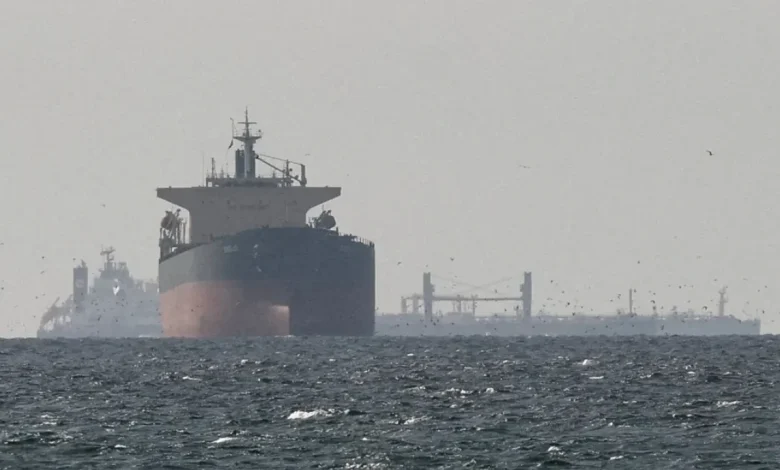
The deployment of naval assets to restrict Iranian maritime operations represents one of the most aggressive enforcement mechanisms in the U.S. foreign policy arsenal. This strategy aims to physically prevent the exportation of Iranian crude oil, effectively cutting off the primary revenue stream that sustains the nation’s economy and funds its regional proxy networks. The blockade relies on a combination of direct interception, secondary sanctions on shipping conglomerates, and intense surveillance of maritime choke points. However, this strategy is inherently volatile. It significantly elevates the risk of accidental military confrontation in heavily trafficked international waters. Furthermore, it creates a zero-sum environment where Iranian leadership feels compelled to respond asymmetrically, potentially threatening the free flow of global commerce. By refusing to ease this blockade as a goodwill gesture to spur talks, the Trump administration has signaled an uncompromising stance, banking on the assumption that economic asphyxiation will eventually force Tehran to accept maximalist terms. Yet, as the current suspension of talks indicates, this assumption may miscalculate the Iranian regime’s capacity to absorb economic pain in the name of national sovereignty.
Trump’s Excessive Demands Explained
According to statements emanating from Tehran, the messages relayed by the U.S. contained stipulations that went far beyond the parameters of traditional nuclear non-proliferation agreements. These “continued excessive demands” reportedly include the complete dismantling of Iran’s ballistic missile program, an immediate and verifiable cessation of all support for regional militia groups across Lebanon, Syria, and Yemen, and sweeping changes to the nation’s internal governance structures. For Iranian negotiators, these conditions are perceived as an existential threat to the state’s security architecture rather than a basis for equitable negotiation. The maximalist nature of these demands reflects a negotiation strategy that leaves virtually no room for face-saving compromises. By demanding total capitulation on multiple disconnected fronts simultaneously, the U.S. approach effectively removes any incentive for Iranian moderates to advocate for engagement. The perception in Tehran is that meeting these demands would amount to strategic surrender, stripping the country of its primary deterrence mechanisms while offering no ironclad guarantees that future U.S. administrations would honor any commitments made in return.
The Impact on Middle Eastern Stability
The refusal of Iran to engage in further talks has profound implications for the broader Middle East. The region is already a tinderbox of sectarian conflicts, proxy wars, and delicate power balances. Without a diplomatic channel to de-escalate tensions, the likelihood of indirect skirmishes increasing across the region grows exponentially. In arenas where Iranian influence is deeply entrenched, such as the Levant and the Arabian Peninsula, the lack of dialogue between Washington and Tehran often translates into heightened kinetic activity. For instance, negotiations concerning a broader Strait of Hormuz arms halt become virtually impossible when the primary antagonists refuse direct or mediated communication. This diplomatic vacuum forces neighboring states to recalibrate their own security postures, potentially sparking regional arms races or shifting alliance structures as nations prepare for a prolonged period of instability unmitigated by diplomatic guardrails.
Comparing U.S. and Iranian Negotiation Tactics
The contrasting negotiation styles of the United States under Donald Trump and the Islamic Republic of Iran provide a fascinating study in diplomatic divergence. Trump’s approach is deeply rooted in transactional, high-pressure business tactics, prioritizing immediate leverage and public capitulation. In contrast, Iranian diplomacy is characterized by strategic patience, historical grievances, and an emphasis on procedural equity. The table below illustrates the stark differences in their respective negotiating paradigms.
| Diplomatic Metric | U.S. Approach (Trump Administration) | Iranian Approach |
|---|---|---|
| Primary Leverage | Economic sanctions and naval blockades | Regional proxies and nuclear enrichment capacity |
| Pacing | Demand for rapid, comprehensive agreements | Strategic patience, incremental concessions |
| Key Demands | Total disarmament, behavioral changes | Sanctions relief, unhindered maritime access |
| View of Compromise | Often viewed as weakness unless overwhelmingly favorable | Viewed through the lens of sovereign equity and survival |
These divergent frameworks make finding a mutually acceptable starting point exceedingly difficult, as neither side operates with the same diplomatic vocabulary or definition of victory.
The Art of the Deal in Modern Geopolitics
The phrase “The Art of the Deal” has long been synonymous with Donald Trump’s approach to complex negotiations. It relies on establishing overwhelming initial leverage, making maximalist demands, and maintaining an aura of unpredictability. However, translating this real estate philosophy into the realm of high-stakes international diplomacy presents unique challenges. In business, a failed deal results in lost revenue; in geopolitics, a failed deal can result in armed conflict. The Iranian response to this strategy has been a calculated refusal to play by these transactional rules. Instead of buckling under pressure, Tehran has utilized backchannel diplomacy and 60-day deals with sympathetic third parties to bypass direct confrontation while slowly building alternative economic networks. This demonstrates a critical limitation of the “Art of the Deal” approach when applied to a nation-state whose primary objective is sovereign survival rather than profit maximization. The insistence on maintaining a naval blockade while demanding sweeping concessions highlights a rigid adherence to leverage-based tactics that may ultimately prove counterproductive against a hardened ideological adversary.
Economic Repercussions of the Stalled Dialogue
The immediate economic fallout from the suspension of U.S.-Iran talks extends far beyond the borders of the two nations involved. Global energy markets are highly sensitive to geopolitical tensions in the Persian Gulf, and the confirmation that diplomatic avenues are currently closed introduces a substantial risk premium into oil pricing forecasts. While oil prices below $100 have been temporarily maintained due to market speculation and reserve releases, the long-term outlook remains highly volatile without a diplomatic resolution. The naval blockade specifically disrupts the intricate supply chains that transport raw materials and energy products to Asian and European markets, forcing shipping companies to absorb higher insurance premiums and reroute vessels to avoid potential conflict zones. Furthermore, the robust enforcement of secondary sanctions stifles international investment in the region, creating a chilling effect that extends to neighboring economies reliant on stable cross-border trade.
Global Oil Markets React to the Deadlock
Traders and economic analysts are closely monitoring the situation, acutely aware that any kinetic escalation resulting from the failed talks could instantly disrupt the global energy supply. The persistence of the naval blockade ensures that a significant portion of global crude remains offline, keeping supply markets artificially tight. According to comprehensive Reuters commodities reports, the structural deficit in crude availability caused by the standoff is beginning to impact downstream refining operations across industrial hubs in Asia and Europe. This economic strain highlights the interconnected nature of modern geopolitics, where a diplomatic stalemate in Washington and Tehran dictates energy prices in Tokyo and Berlin. Until a credible pathway to de-escalation is re-established, the global economy will continue to bear the hidden costs of this diplomatic freeze, manifested through market volatility, inflationary pressures on energy-dependent sectors, and constrained global economic growth.
What Comes Next for the U.S. and Iran?
The path forward for both the United States and Iran is fraught with peril and uncertainty. With direct talks off the table, the likelihood of third-party mediation becomes the sole mechanism for crisis management. Nations such as Oman, Qatar, and Pakistan may be called upon to facilitate indirect messaging to prevent the standoff from spiraling into direct military conflict. For the U.S., the challenge will be assessing whether the current “maximum pressure” architecture can genuinely achieve its stated objectives or if it merely solidifies Iranian intransigence. For Iran, the ongoing economic toll of the blockade will continually test the regime’s domestic stability and resource allocation for regional operations. Ultimately, resolving this crisis will require a fundamental shift in negotiating paradigms. It will demand a move away from public ultimatums and maximalist demands toward a phased, reciprocal approach where confidence-building measures—such as a partial easing of the blockade in exchange for specific, verifiable concessions—can lay the groundwork for sustainable diplomacy. Until such a paradigm shift occurs, the international community must brace for an extended period of heightened tension, economic instability, and geopolitical brinkmanship in one of the world’s most critical strategic theaters.