Blockade: U.S. Enforces Strait of Hormuz Halting Iranian Ships
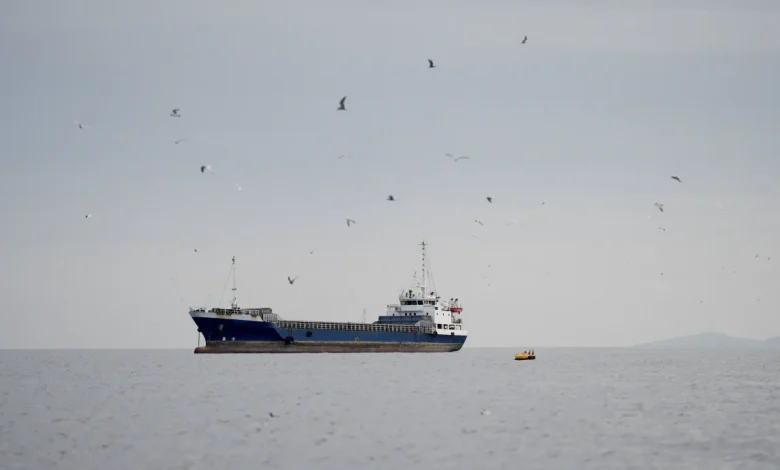
Blockade protocols have officially commenced in one of the world’s most critical maritime chokepoints. On day one of the highly anticipated operation, a profound and eerie silence fell over the Strait of Hormuz as no ships transited the waterway to or from Iranian ports. The overwhelming show of force by the United States and its allied partners proved so formidable that the threat alone was enough to deter any Iranian maritime movements. This unprecedented geopolitical standoff marks a dramatic escalation in Middle Eastern security dynamics, fundamentally altering the calculus of global trade, military posture, and regional diplomacy.
The strategic deployment involves an armada of more than 15 heavily armed warships and thousands of U.S. servicemembers, including elite elements of the Marine Corps and specialized special-operations task forces. This staggering concentration of military might represents the largest buildup of American assets in the Middle East since the 2003 invasion of Iraq. As the global community watches with bated breath, the enforcement of this maritime interdiction operation has paralyzed a crucial artery of the global energy supply chain.
At the core of the strategy is a robust, zero-tolerance operational mandate. The U.S. Central Command has established an impenetrable net designed to track every single Iranian ship attempting to cross the strait. Should any vessel attempt to breach the interdiction line, specialized boarding teams stand ready to execute immediate vessel takeovers. The operation is multi-dimensional, extending beyond surface-level naval blockades into advanced aerospace dominance and sub-surface surveillance, ensuring complete control over the operational theater.
Simultaneously, extensive mine clearance operations are already underway in the surrounding waters. While Iranian state media has issued fierce warnings regarding the extensive mining of the strait, high-ranking U.S. defense officials have publicly suggested that Tehran is significantly exaggerating the extent of the actual danger. Nevertheless, the U.S. Navy is leaving nothing to chance, deploying state-of-the-art counter-mine technology to sweep the shipping lanes and guarantee the safety of international, non-Iranian vessels navigating the tense corridor.
Blockade Initiated: The Strait of Hormuz Stands Still
The Strait of Hormuz is widely considered the single most vital energy transit chokepoint on the planet. For decades, it has served as the central artery for crude oil and liquefied natural gas (LNG) shipments originating from the Persian Gulf. However, the initiation of this massive interdiction operation has transformed the normally bustling waterway into a heavily militarized exclusion zone.
U.S. naval assets have established fortified perimeters, leveraging advanced radar, satellite imaging, and acoustic arrays to monitor the narrowest sections of the strait. The psychological impact of the armada’s presence cannot be overstated. Without firing a single shot on the first day, the sheer density of firepower achieved its primary objective: absolute deterrence. The strategic logic dictating the operation is rooted in overwhelming superiority, designed to ensure that any adversarial resistance is swiftly and decisively neutralized.
Immediate Impact on Iranian Ship Transits
In the initial 24 hours of the operation, Iranian port authorities apparently ordered a total cessation of outbound maritime traffic. Commercial tankers, cargo freighters, and naval vessels flying the Iranian flag remained securely docked. This immediate compliance reflects the success of the overarching deterrence strategy. The implied threat of immediate boarding and potential seizure by heavily armed American special-operations forces served as a powerful disincentive.
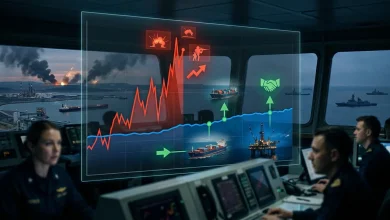
Maritime tracking data verified the complete halt of Iranian maritime logistics. The economic strangulation resulting from this freeze is expected to be immediate and severe, cutting off critical revenue streams necessary for sustaining Tehran’s domestic and international operations. This tactical standstill aligns with broader Western efforts to isolate the nation economically, while concurrently monitoring the global energy market ripples that such a disruption inevitably creates.
Unprecedented U.S. Military Deployment
The scale of the current mobilization is historic. The Pentagon has carefully orchestrated the deployment of a highly sophisticated, multi-domain fighting force tailored specifically to the unique geographical and tactical challenges of the Persian Gulf. This is not merely a show of force; it is a fully capable combat armada primed for immediate action.
Over 15 Warships and Thousands of Servicemembers
The fleet composition includes advanced Arleigh Burke-class guided-missile destroyers, Ticonderoga-class cruisers, and massive amphibious assault ships capable of launching dozens of aircraft and deploying hundreds of Marines at a moment’s notice. Over 15 warships have been strategically positioned to provide overlapping zones of anti-air, anti-surface, and anti-submarine warfare coverage.
Accompanying these surface vessels are thousands of highly trained servicemembers. The Marine Expeditionary Units (MEU) deployed in the region represent the tip of the spear. These forces are uniquely trained in amphibious warfare and maritime interdiction, making them the ideal asset for enforcing the current operational parameters. They are operating in tandem with other allied naval operations designed to project unyielding strength.
The Largest Regional Asset Build-Up Since 2003
Military historians and strategic analysts are already drawing comparisons between the current deployment and the build-up prior to the 2003 invasion of Iraq. The sheer tonnage of naval assets, combined with the concentration of specialized personnel, underscores the gravity with which the United States is treating the situation.
The data below highlights the comparative scale of these historic military deployments in the Middle Eastern theater:
| Deployment Metric | 2003 Iraq Operation Build-Up | 2026 Strait Interdiction Operation |
|---|---|---|
| Primary Mission Objective | Regime Change & Ground Invasion | Maritime Blockade & Economic Containment |
| Naval Warship Presence | Over 30 (Broad Gulf Coverage) | 15+ (Concentrated in Hormuz Chokepoint) |
| Special Operations Focus | Inland Sabotage & Reconnaissance | VBSS (Visit, Board, Search, Seizure) |
| Primary Threat Vectors | Scud Missiles & Ground Forces | Asymmetric Naval Swarms & Moored Mines |
Operational Tactics: Tracking and Vessel Takeovers
Enforcing a maritime exclusion zone requires more than just a visible presence; it requires a highly coordinated intelligence and operational framework. The U.S. military’s plan relies heavily on real-time intelligence, surveillance, and reconnaissance (ISR) capabilities. Aerial drones, maritime patrol aircraft like the P-8A Poseidon, and satellite constellations provide a continuous, high-resolution picture of the operational environment.
The explicit tactical directive is to track every Iranian ship that approaches or attempts to cross the strait. Should a vessel refuse orders to halt or attempt to bypass the interdiction line, the Rules of Engagement (ROE) permit the immediate use of non-lethal and, if necessary, lethal force to disable the vessel.
Special Forces Helicopter Rappelling Protocols
The cornerstone of the enforcement mechanism lies in the capability to execute rapid, precision vessel takeovers. Should a target vessel remain non-compliant, specialized boarding teams will be deployed. The most striking element of these tactical operations involves special forces operators executing fast-rope insertions directly from MH-60 Seahawk helicopters hovering over moving vessels.
These highly dangerous Visit, Board, Search, and Seizure (VBSS) operations are practiced exhaustively by U.S. Navy SEALs and Marine Force Reconnaissance units. The objective is to simultaneously secure the vessel’s bridge and engine room, cutting off the crew’s ability to navigate or scuttle the ship. By maintaining this rapid-response capability, the coalition ensures that any attempt to break the maritime cordon is met with overwhelming, localized tactical superiority.
Mine Clearance Operations and Iranian Threats
One of the most significant asymmetrical threats posed by Iran is the potential mining of the Strait of Hormuz. For years, Tehran has boasted of a massive stockpile of naval mines, ranging from rudimentary moored contact mines to highly sophisticated acoustic and magnetic influence mines designed to detonate beneath the hull of passing warships or supertankers.
In response to the current escalation, the U.S. has initiated continuous, 24-hour mine clearance and sweeping operations. Avenger-class mine countermeasures ships, supported by MH-53E Sea Dragon helicopters towing advanced sonar sleds, are systematically scanning the vital transit corridors. This deliberate process is essential to guarantee the safety of international commerce moving through the adjacent safe zones.
Evaluating the Extent of the Danger
Despite the aggressive rhetoric emanating from Iranian military commanders, high-level U.S. intelligence officials and naval strategists have suggested that Iran is largely exaggerating the extent and sophistication of its immediate mine threat. Analysts point out that deploying a massive minefield undetected in heavily monitored waters is logistically improbable given the persistent U.S. ISR umbrella.
While the threat is not entirely dismissed—even a single rogue mine can cause catastrophic damage—the prevailing assessment is that the danger is manageable. The U.S. military’s proactive counter-mine posture is designed to neutralize any actualized threats swiftly, further mitigating the psychological weapon that Tehran attempts to wield through its mining threats.
Global Economic and Geopolitical Ramifications
The economic shockwaves of this maritime operation are already being felt across the globe. By effectively shutting off Iranian port access, the coalition is imposing severe economic penalties, aiming to compel political concessions without resorting to a full-scale ground war. However, the collateral effects on the global energy market and regional diplomatic stability are profound.
International shipping companies have seen maritime insurance premiums skyrocket overnight. The prospect of an accidental engagement or an unforeseen escalation has forced many independent fleet operators to reassess their logistical routes, heavily impacting the flow of commodities worldwide. The situation presents severe economic costs of a broader conflict that world leaders are struggling to mitigate.
Energy Markets Brace for Sustained Disruption
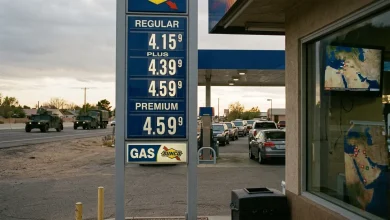
With roughly 20% of the world’s global oil consumption traversing the Strait of Hormuz, any military disruption naturally triggers intense volatility in the commodities sector. While non-Iranian ships are still theoretically permitted to transit under heavy coalition escort, the heightened risk of crossfire has rattled traders and investors.
Energy analysts are predicting massive price fluctuations if the standoff persists. Strategic petroleum reserves in the United States and Europe are being closely monitored, as governments prepare contingency plans to offset potential supply shortages. For ongoing, real-time coverage on how these military movements affect global commerce and geopolitical relationships, refer to international geopolitical coverage and economic updates.
Regional Stability in the Balance
The coming days will be critical in determining the trajectory of this standoff. The U.S. has firmly established its red lines, and the initial lack of Iranian maritime activity suggests a tactical retreat on the part of Tehran. However, the presence of such a massive concentration of firepower creates a highly combustible environment where a single miscalculation could ignite a broader regional conflict.
Diplomatic channels remain quietly open, but the overt language is one of force and deterrence. As allied nations reinforce their positions and neighboring Gulf states observe the escalating regional defense postures, the world holds its breath, hoping the overwhelming show of U.S. military might will continue to serve its primary purpose: keeping the peace through absolute, unchallengeable strength.