Ebola response bottlenecks in DRC worsen as outbreak spreads 2026
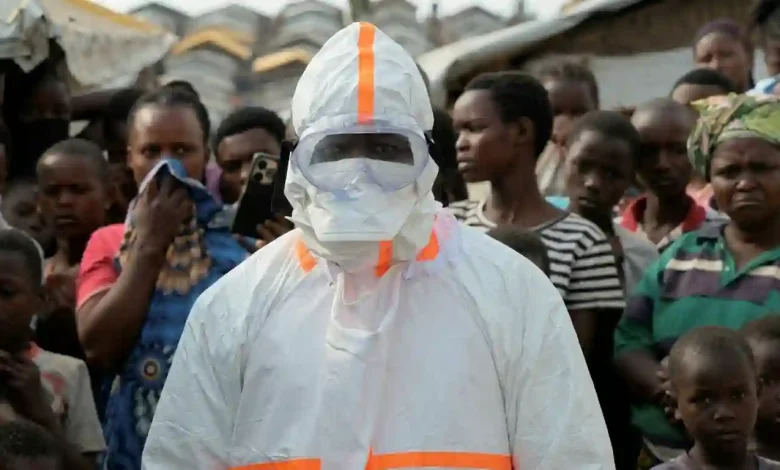
Table of Contents
Ebola response bottlenecks in the Democratic Republic of Congo (DRC) have reached a critical juncture, severely hindering the expansion of humanitarian and clinical efforts as the current epidemic spreads across multiple regions. On Tuesday, World Health Organization (WHO) officials publicly warned that a combination of extreme personnel shortages, a lack of operational partners, and a drastic deficit in international funding has created an operational bottleneck that threatens to turn a localized emergency into a widespread regional crisis. The outbreak, which was initially declared in May 2026 in the high-traffic mining hub of Bunia within the northeastern Ituri Province, has now breached geographical barriers. It has expanded into six distinct provinces, highlighting the urgent need for a massive scale-up in resources. To address this geographic expansion, health authorities are pushing for a decentralized containment strategy, establishing smaller, dedicated treatment units closer to newly affected, isolated populations. However, this strategy is currently stalled by systemic resource deficits.
Understanding the Bottleneck: Why the Ebola Response is Stalling
The term “operational bottleneck” in the context of the DRC’s current Ebola response refers to a series of interconnected supply-chain, clinical, and human resource constraints that collectively prevent the scale-up of medical activities. Health agencies are not just fighting a deadly virus; they are fighting an administrative and logistical battle against underfunding and severe environmental insecurity. When a highly lethal pathogen like the Ebola virus begins to spread, response times must be measured in hours, not weeks. However, the current response has been plagued by prolonged delays in establishing quarantine zones, delivering protective equipment, and confirming laboratory tests. These delays allow the virus to establish new chains of transmission in previously unaffected villages. This systemic collapse is compounding other major health challenges in the country, such as measles-associated risks that routinely overwhelm the fragile pediatric wards in municipal hospitals.
Critical Shortage of Trained Medical Personnel
Clinical management of Ebola requires highly specialized training in infection prevention and control (IPC), clinical triage, and contact tracing. Unfortunately, the DRC is experiencing a profound shortage of qualified health professionals. Frontline workers, including doctors, nurses, and laboratory technicians, are working under extreme stress and in highly dangerous environments. This human resource deficit is further exacerbated by national doctors’ strikes over unpaid salaries and hazardous working conditions, leaving critical Ebola treatment units understaffed. The regional decline in healthcare infrastructure echoes trends in global immunization where dropping kindergarten vaccination rates indicate systemic weaknesses in public health trust and resource allocation worldwide. Without a stable, well-compensated, and fully protected clinical workforce, establishing new treatment sites remains a logistical impossibility.
Chronic Funding Gaps and International Hesitation
Financial constraints remain the single most significant obstacle to expanding the Ebola response in the DRC. As of September 2026, less than 20 percent of the required international emergency response funds have been committed by global donors. This massive funding gap has forced humanitarian organizations to make impossible decisions, including shutting down active disease surveillance units and scaling back community outreach efforts. When funding dries up, the first casualties are the early warning networks that detect new cases before they can spark localized epidemics. For the vulnerable youth of the Congo, the lack of a comprehensive government policy on child healthcare leaves young infants highly vulnerable during high-mortality viral epidemics. As global inflation threatens international aid budgets, humanitarian agencies face severe purchasing power issues, making the procurement of personal protective equipment (PPE), chlorine, and diagnostic kits increasingly difficult.
Severe Lack of Operational Partners
An effective epidemic response requires a diverse ecosystem of international non-governmental organizations (INGOs), local civil society groups, and specialized UN agencies working in tandem. Currently, the WHO reports a severe shortage of operational partners on the ground. Many international agencies have withdrawn or reduced their footprints due to the worsening security situation in eastern DRC, where various active rebel groups continue to launch attacks on civilian populations and health infrastructure. This vacuum of operational partners means that the WHO and the Congolese Ministry of Health must shoulder the operational burden of the response alone, leading to administrative fatigue and delayed implementations. While legal sectors deal with corporate health challenges like the J&J talc lawsuit, humanitarian crises require direct operational funding to support hands-on logistical partners who can run remote medical centers.
The Geographical Shift: Moving Beyond the Epicentre of Bunia
The current Ebola epidemic was officially declared on May 15, 2026, with its epicenter located in the high-traffic commercial and mining zones of Bunia, the capital of Ituri Province. Bunia’s position as an economic hub facilitates rapid population movement, which in turn accelerates the transmission of infectious diseases. Over the past several months, the virus has transitioned from localized urban transmission to widespread regional dissemination, breaching provincial boundaries and spreading across a vast geographic area. This expansion represents a major shift in the dynamics of the outbreak, requiring a complete recalibration of the containment response. Containing a localized outbreak in a single city is vastly different from managing multiple, simultaneous transmission chains spread across hundreds of kilometers of dense forest and disconnected rural roads.
Impact Across Six Affected Provinces
To date, the outbreak has officially expanded to affect six provinces in the Democratic Republic of Congo, including Ituri, North Kivu, Haut-Uélé, and Tshopo. Each newly affected province presents unique geographical and epidemiological challenges. For instance, in Tshopo Province, cases have been reported in the major city of Kisangani, raising fears of a rapid urban explosion of the virus. In Haut-Uélé, transmission has been recorded in remote mining camps where healthcare infrastructure is virtually non-existent, making early detection and isolation extremely difficult. The vast distances between these provinces, combined with a lack of paved roads, means that transporting clinical samples to reference laboratories can take days, during which suspected patients remain in their communities, potentially infecting others. This stands in stark contrast to developed nations where childhood health initiatives might focus on domestic healthy school lunches, while Congolese children face basic survival threats from hemorrhagic fevers.
Regional Transmission Risks and the Threat to Uganda
The geographical spread of the virus is not merely an internal Congolese crisis; it is an international health threat. Ituri Province borders both South Sudan and Uganda, and the regional commercial hub of Bunia is located less than 40 kilometers from the Ugandan border. The frequent cross-border migration of traders, miners, and refugees fleeing local conflict creates an incredibly high risk of international exportation. Indeed, the Uganda Ministry of Health has already confirmed cases of Ebola linked to importation from the DRC. Cross-border biosecurity measures are failing to prevent regional migration, much like the lapses that lead to illegal screwworm smuggling across unmonitored administrative borders. Strengthening cross-border surveillance, establishing joint screening points, and sharing real-time epidemiological data between the DRC, Uganda, and South Sudan are vital steps to preventing a multi-country epidemic.
Decentralizing the Response: Building Local Treatment Centers
Recognizing the extreme logistical difficulties of transporting highly infectious patients from remote villages to centralized treatment units in Bunia, the WHO and national health authorities have adopted a decentralized strategy. This approach focuses on building smaller, specialized treatment centers directly within newly affected communities. By bringing medical care closer to the patients, health officials hope to reduce the dangerous transit of sick individuals, encourage early healthcare-seeking behavior, and isolate active cases more rapidly. Decentralized testing has also been introduced, allowing local clinics to confirm cases within hours rather than days. However, the success of this strategy is entirely dependent on the availability of clinical staff, basic medical equipment, and funding—all of which are currently caught in the response bottleneck.
The Challenge of the Rare Bundibugyo Strain
Compounding the logistical and financial bottlenecks is the biological nature of the pathogen itself. The current outbreak is caused by the Bundibugyo ebolavirus strain (BVD), a relatively rare species of Ebola that was first identified in Uganda in 2007. Unlike the more common Zaire strain, which was responsible for the devastating 2013–2016 West African epidemic and can be prevented and treated using licensed vaccines like Ervebo and specific monoclonal antibody therapies, there are currently no approved vaccines or specific therapeutic options for the Bundibugyo strain. This means that clinical management relies entirely on early supportive care, such as aggressive oral or intravenous rehydration, electrolyte stabilization, and the symptomatic treatment of secondary bacterial infections. Without an effective vaccine to create a ring of immunity around confirmed cases, containment relies solely on classic public health interventions: prompt isolation, meticulous contact tracing, and strict infection prevention protocols.
Public Trust, Security, and Community Engagement
Even with unlimited funding and thousands of clinical staff, the Ebola response cannot succeed without community trust. Eastern DRC is a region marked by decades of armed conflict, state neglect, and deep-seated suspicion of external interventions. During previous outbreaks, local communities often viewed international medical teams with fear and hostility, leading to violent attacks on health workers, treatment centers, and diagnostic laboratories. Building trust requires active community engagement, recruiting trusted local leaders, and ensuring that public health messages are delivered in local languages. While world leaders focus on how nation-states like Iran grow more confident in their regional influence, silent health emergencies in Sub-Saharan Africa are left begging for resources. To overcome this mistrust, health agencies must actively listen to local concerns, respect traditional mourning practices by facilitating safe and dignified burials, and integrate local healthcare workers into the response structure.
Summary of the DRC Ebola Outbreak Statistics
The following table provides an overview of the current status of the 17th Ebola outbreak in the Democratic Republic of Congo, detailing key epidemiological metrics, geographic spread, and response challenges as of September 2026:
| Metric | Current Status / Value | Key Response Challenges |
|---|---|---|
| Epidemic Epicentre | Bunia, Ituri Province, Democratic Republic of Congo | High population mobility, transit mining zones, border proximity. |
| Provinces Affected | 6 Provinces (including Ituri, North Kivu, Haut-Uélé, Tshopo) | Remote locations, poor road infrastructure, delayed sample transport. |
| Dominant Virus Strain | Bundibugyo Strain (BVD) | No licensed vaccine or approved specific therapeutic options. |
| Estimated Cases | Over 6,000 cases reported across affected zones | Underreporting due to community fear and lack of diagnostic test kits. |
| Estimated Deaths | Over 3,000 deaths (CFR approximately 48%) | Delayed clinical presentation, lack of decentralized medical care. |
| Funding Status | Less than 20% of required international funding secured | Donor fatigue, global inflation, and competing geopolitical crises. |
In conclusion, the Ebola response in the Democratic Republic of Congo is facing a critical bottleneck that could have catastrophic consequences for the entire region if left unaddressed. The rapid geographical expansion of the virus to six provinces, combined with the lack of approved vaccines for the Bundibugyo strain, demands an immediate and decisive international response. Global donors must urgently release emergency funds, and experienced humanitarian partners must redeploy to the region to support the WHO and local health authorities in executing their decentralized strategy. The window of opportunity to contain this outbreak is rapidly closing.