Screwworm Smuggling Along the US-Mexico Border Exposes Gaps 2026
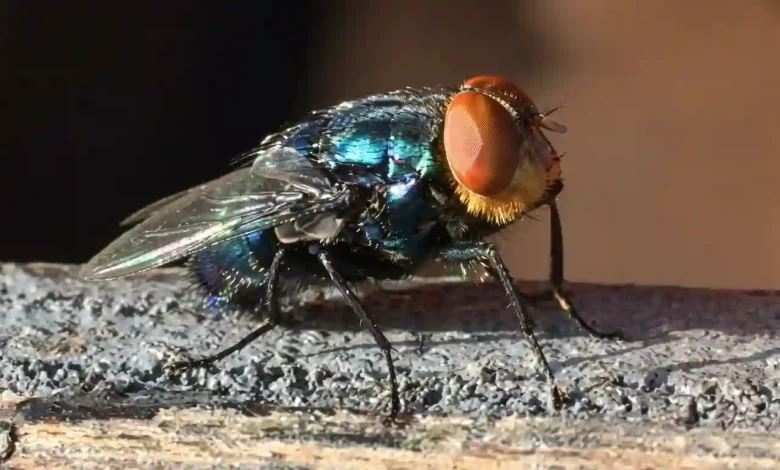
Table of Contents
Screwworm risks are intensifying along the southern border of the United States, as a shadow network of livestock smuggling threatens to undermine decades of successful eradication efforts. When sheriff’s deputies intercepted a trailer carrying six horses near the border town of Redford, Texas, in late May, they uncovered more than a simple transit violation. The seized animals had crossed the Rio Grande illegally from Mexico, completely bypassing the mandatory veterinary inspections, health certifications, and quarantine protocols that are rigorously maintained to protect domestic herds. Although tests confirmed that these specific horses were not infested with the New World screwworm (Cochliomyia hominivorax), the incident illuminated a gaping, little-enforced vulnerability in the United States’ defense against this flesh-eating parasite. While legitimate agricultural trade has been heavily restricted, causing severe U.S. economic shockwaves, illicit trade routes remain active, introducing an unpredictable variable into national biosecurity calculations.
Screwworm :Screwworm Smuggling: The Redford Breach
The incident near Redford, Texas, highlights how easily infected or untested hosts can bypass traditional border barriers. The dry, rugged terrain surrounding the Rio Grande provides natural cover for smuggling operations. Sheriff’s deputies patrolling the area stopped the trailer following suspicious behavior, only to find the horses lacked any identifying papers or health clearances. Historically, the United States eradicated the screwworm in 1966 using a massive, coordinated program. However, as the parasite continues its northward march from Central America through Mexico, the illicit movement of animals threatens to reintroduce this pest on a catastrophic scale.
For over a year, federal officials have warned that contraband cattle and equine smuggling from Central America is acting as a major vector for the parasite. Yet, as this case demonstrates, the trafficking routes are not just confined to remote jungles in southern Mexico; they extend directly into Texas border towns. When animals are moved across the border without proper clearance, they bypass the critical quarantine facilities designed to detect early-stage infestations, effectively blinding biosecurity watchdogs to potential outbreaks before they spread deep into the American heartland.
The Biology of a Flesh-Eating Threat: What is Screwworm?
The New World screwworm is not an ordinary pest; it is a highly destructive parasitic fly. The female fly seeks out open wounds in warm-blooded animals—ranging from a minor scratch to a newborn calf’s umbilical cord—to lay her eggs. Within hours, the larvae hatch and begin burrowing into the living tissue, literally eating the host alive. If left untreated, the infestation is almost universally fatal to the animal. Unlike other fly species that feed on dead tissue, the screwworm’s voracity for live flesh makes it an agricultural nightmare.
The parasite’s reproductive rate is astonishingly high, and its ability to spread is magnified when infested animals are moved across large distances. A single female fly can lay up to 500 eggs in a single wound, and she will repeat this process multiple times throughout her life. The larvae feed on the living host for five to seven days before dropping to the ground to pupate. After emerging as adults, they can fly up to 125 miles in search of new hosts. A single smuggled horse or cow can carry thousands of larvae, shedding them along transit routes and establishing new, localized wild populations. This threat is particularly alarming for livestock owners who have not had to manage the parasite for over half a century.
Cartel Pipeline: Central American Corridors to the Rio Grande
What makes the current biosecurity crisis so difficult to manage is the intersection of illicit livestock trade with organized crime. In recent years, drug cartels have diversified their portfolios, moving into agricultural smuggling as a highly lucrative sideline. Cattle and horses are purchased cheaply in Central America, where veterinary standards are low, and smuggled across the southern Mexican border. From there, they are moved north through the same clandestine trade corridors used to transport drugs and migrants.
Because these animals bypass official inspection stations, they avoid the systematic dipping and checking protocols designed to catch parasites. Cartel-linked networks exploit the vast, unmonitored stretches of the Texas-Mexico border, using remote ranches as staging grounds to integrate smuggled animals into domestic herds before they can be detected. This illicit commerce operates entirely outside the formal market, creating a shadow agricultural supply chain that poses a clear and present danger to continental animal health.
Economic Fallouts and Market Dynamics
The economic stakes of this smuggling ring are monumental. U.S. beef prices are already hovering at historic highs, driven by domestic herd contraction and ongoing supply chain challenges. Any threat to the integrity of the domestic herd could trigger severe disruptions.
U.S. Economic Impacts and the Risk of Outbreaks
Should the New World screwworm establish a permanent foothold in the United States, the agricultural industry faces a devastating financial blow. Economists estimate that a widespread outbreak in Texas alone could cost up to $1.8 billion in lost livestock, increased veterinary expenses, and export bans. In June 2026, the United States recorded its first confirmed screwworm case in decades in Zavala County, Texas, involving a three-week-old calf. The discovery prompted immediate quarantine measures, sending shivers through the commodity markets. Just as an unexpected oil supply crisis can disrupt global energy markets, a full-scale biosecurity failure could trigger a profound market pullback across the agricultural sector, affecting everything from beef futures to consumer grocery bills.
Consumer Consequences and the Beef Price Surge
With the USDA previously enforcing a ban on Mexican cattle imports, the lack of supply has pressured the beef market. While the administration has attempted to partially reopen the border to bring relief to consumers, the persistence of illicit smuggling undermines these delicate policy maneuvers. The livestock supply chain is incredibly fragile; any sudden outbreak can shutter export markets overnight. Similar to how industrial manufacturers rely on stable domestic supply chains to remain competitive, the cattle industry depends on strict, reliable biosecurity boundaries to maintain trading status with international partners.
The Little-Enforced Realities of Border Biosecurity
The Redford horse seizure highlights a stark contrast between official policy and on-the-ground enforcement. While the USDA and state agencies maintain strict rules on paper, the physical reality of the U.S.-Mexico border makes comprehensive enforcement nearly impossible. The Rio Grande stretches for over 1,200 miles in Texas, much of it running through extremely rugged, isolated country.
Federal resources are heavily focused on stopping human trafficking and narcotics, leaving agricultural smuggling as a secondary priority. Local law enforcement capabilities are often stretched thin, and deputies patrolling remote counties rarely have the specialized training or facilities required to handle seized livestock safely. This creates a low-risk, high-reward environment for smugglers, who can move dozens of animals across the river under the cover of night. Below is a comparison detailing how the official agricultural inspection protocols differ from the pathways utilized by illicit smugglers.
Comparison of Biosecurity Standards: Legitimate vs. Illicit Livestock Transit
| Parameter | Official/Legitimate Import Protocol | Cartel-Linked Illicit Smuggling |
|---|---|---|
| Veterinary Inspection | Comprehensive physical examination by USDA veterinarians at designated ports of entry | None; animals bypass all veterinary oversight |
| Health Certification | Mandatory USDA-recognized health certificate from country of origin | Completely absent or forged documentation |
| Quarantine Measures | Minimum quarantine periods at specialized border facilities | Immediate integration into domestic pastures |
| Parasite Prevention | Mandatory chemical dipping (e.g., organophosphate treatment) to kill ectoparasites | Zero preventive treatment; high risk of harboring live larvae |
| Traceability | Individual ear tags, microchips, or brands registered in federal databases | No traceability; brands are often altered or defaced |
| Primary Vectors | Regulated trucks and shipping containers | Remote river crossings, mountain trails, and horse trailers |
Eradication Tactics: Sterile Flies and Horseback Patrols
To combat the screwworm, the USDA relies on a highly sophisticated biological weapon: the Sterile Insect Technique (SIT). Millions of sterile male flies are bred in specialized facilities, irradiated, and then released via aircraft over active containment zones. Because female screwworm flies only mate once in their lifetimes, mating with a sterile male results in non-viable eggs, rapidly collapsing the wild population.
In addition to this aerial bombardment, “tick riders”—government inspectors mounted on horseback—patrol the rugged brush country along the Texas border. These riders are tasked with spotting stray, injured, or smuggled livestock and checking them for signs of larvae. However, while the sterile fly technique has proven highly effective in isolated zones, it is less successful when smuggling networks continuously introduce new, fertile flies and hosts into the region. To maintain operational resilience, biosecurity officials must synchronize their efforts with law enforcement to shut down the physical supply lines of the parasite.
Bilateral Tensions: US and Mexico Agribusiness Friction
The screwworm threat has also sparked diplomatic friction between Washington and Mexico City. U.S. Agriculture Secretary Brooke Rollins has criticized Mexican authorities, claiming they have failed to enforce adequate cattle movement controls within infected southern states and have been negligent in monitoring fly traps. Mexico’s sanitation agency, Senasica, defended its protocols, stating that its trap monitoring schedule was mutually agreed upon with the USDA’s Animal and Plant Health Inspection Service (APHIS).
This geopolitical tension complicates the regulatory landscape governing cross-border trade. As both nations navigate negotiations under the United States-Mexico-Canada Agreement (USMCA), agricultural health has transitioned from a technical bureaucratic matter to a high-stakes trade dispute. If Mexico cannot demonstrate absolute control over its domestic screwworm populations, the U.S. may be forced to implement long-term border closures, permanently altering North American cattle dynamics.
The Path Forward: Securing the Agricultural Frontier
Securing the agricultural frontier requires a fundamental shift in how the United States views biosecurity. For too long, veterinary health and border security have been treated as separate issues. The Redford incident proves that they are deeply intertwined. Addressing this crisis requires enhanced intelligence sharing. Federal law enforcement must collaborate with agricultural inspectors to track cartel-associated livestock movements. Furthermore, increased funding is needed to bolster local policing efforts, ensuring that border sheriffs have the resources to handle seized animals safely. Finally, the deployment of advanced surveillance technologies, such as drone patrols and thermal imaging, is critical to detecting animal crossings in remote sectors. Without these decisive actions, the hard-fought eradication of the New World screwworm could be completely undone, leaving American ranchers to face an old, devastating enemy that was once thought to be a relic of history.