Julie Andrews Retires From On-Screen Acting 2026
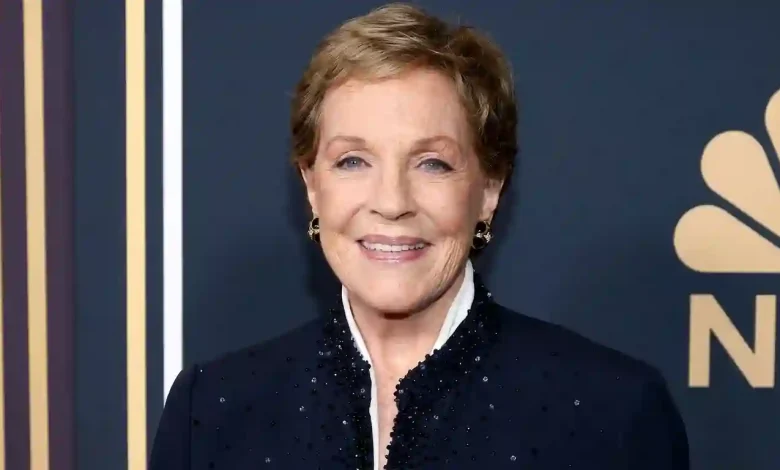
Table of Contents
Julie Andrews has officially stepped away from on-screen acting, ushering in a brand-new creative chapter in her legendary life after nearly eight decades of mesmerizing audiences across the globe. The 90-year-old performing arts icon recently clarified her career trajectory in a landmark interview with The Hollywood Reporter, explaining that she does not expect to reprise her classic role as Queen Clarisse Renaldi in Disney’s highly anticipated The Princess Diaries 3. For millions of cinema lovers who grew up watching her grace the screen opposite Anne Hathaway in the original 2001 film and its beloved 2004 sequel, the announcement marks a poignant transition. Yet, far from a quiet retirement, Andrews is re-channeling her vast talents into specialized off-camera projects, illustrating that creative evolution knows no age limits.
The Official Announcement: Stepping Away From the Camera
Speaking with candor during her August 11, 2026, profile, Andrews described her current professional outlook as a shift in focus rather than a complete withdrawal from creative life. After decades of navigating rigorous on-camera shoots, early morning calls, and extensive travel schedules, she emphasized that live-action projects are largely behind her. This shift echoes the enduring legacies of artists like the enduring legacies of artists like Bob Weir, who spent decades redefining how they engage with their craft while honoring their physical boundaries. Andrews noted that while she remains deeply enthusiastic about storytelling, her current priorities lean heavily toward writing, podcasting, and voiceover performances, which allow her to interact with audiences on her own terms.
Declining The Princess Diaries 3: The Story Belongs to Princess Mia
Speculation surrounding Andrews’ potential involvement in The Princess Diaries 3 has circulated since Disney first greenlit the sequel. However, the actress firmly put those rumors to rest, clarifying that she has declined offers to return to Genovia. Andrews discussed how difficult it was to make that call, particularly given her love for the cast and crew. For any veteran performer, deciding to decline a major studio project involves balancing heavy emotional ties with practical realities, not unlike contemporary stars dealing with the heavy pressures of public scrutiny while charting their own career paths. Andrews felt that her return was simply unnecessary for the next phase of the narrative, explaining that the franchise is ready to stand on its own without Queen Clarisse.
Inside the Decision: Why Clarisse Renaldi Steps Down
Explaining her narrative rationale, Andrews stated that “the story is slightly different, and I’m not quite sure how they’re dealing with that. But it’s too late for me to do it. I think the story has to continue in Princess Mia. It’s her story. It’s not really mine”. In the second film, Clarisse famously stepped down from her throne, allowing Mia to take the crown as an unmarried queen. Transitioning the franchise focus fully to Mia is a logical progression, even if it leaves fans missing the regal guidance of “Granny”. This narrative evolution and the structural restructuring of beloved cinematic institutions can be compared to complex leadership shifts in other sectors, where organizations find themselves confronting institutional scrutiny and pressure during moments of monumental transition.
An Elegant Transition: Writing, Podcasts, and Voice Work
Stepping away from the demanding lights of a film set has allowed Andrews to spend more time on collaborative writing projects. Alongside her daughter, Emma Walton Hamilton, Andrews recently celebrated the release of their newest children’s book, titled Shy. Writing children’s literature has been a therapeutic and rewarding outlet for Andrews, enabling her to reach younger generations without enduring the physical toll of live-action filming. Managing health at her age—including public battles with arthritis—requires carefully balancing active work with physical limitations. Her lifestyle adjustments mirror the modern dialogue surrounding how public figures manage their well-being, prioritizing personal health protocols and family-centric policy concerns to protect their longevity and quality of life.
Emmy-Nominated Voiceovers and Children’s Literature
In addition to her writing, Andrews’ voice continues to remain a vital fixture in pop culture. She has garnered significant praise for her role as Lady Whistledown in Netflix’s hit drama Bridgerton, securing Emmy nominations for her outstanding voiceover work. Voice acting provides a perfect avenue for Andrews to deliver her signature elegance and sharp wit without leaving the comfort of a recording booth. As deepfakes and artificial intelligence begin to reshape the entertainment landscape, maintaining control over her vocal footprint has become an essential part of legacy management. Modern actors must be increasingly vigilant, utilizing digital protections aimed at safeguarding artistic assets and media metadata against unauthorized exploitation.
Eight Decades of Cinematic Royalty: A Look Back at Her Legacy
Andrews’ historic career is nothing short of extraordinary, beginning on the West End and Broadway stages before defining the golden age of Hollywood musicals. Her film debut in 1964’s Mary Poppins earned her an Academy Award, cementing her status as a generational icon overnight. Shortly after, her portrayal of Maria von Trapp in 1965’s The Sound of Music became one of the most commercially successful and culturally enduring films of all time. These classic performances are preserved for future generations through digitization and modern technological shifts, ensuring that her remarkable artistry continues to inspire long after she has left the studio floor.
From Mary Poppins to Genovian Majesty
In her later career, Andrews captured the hearts of millennials and Gen Z by taking on the role of Queen Clarisse Renaldi in The Princess Diaries. This performance introduced her signature maternal warmth, elegance, and comedic timing to an entirely new demographic. The table below provides an analytical overview of the distinct eras of Andrews’ legendary career, illustrating how she has gracefully transitioned her talents over the decades.
| Era | Primary Focus | Medium | Description & Status |
|---|---|---|---|
| 1950s – 1960s | Broadway & Early Cinema | On-Camera & Stage | Legendary rise with Mary Poppins and The Sound of Music; Oscar and Grammy-winning performances. |
| 1970s – 1990s | Mature Screen Roles | On-Camera & Theatre | Versatile roles in Victor/Victoria, S.O.B., and That’s Life!; solidified status as a critical darling. |
| 2000s – 2010s | Modern Family Classics | On-Camera & Voiceover | Iconic portrayal of Queen Clarisse Renaldi in The Princess Diaries; Shrek voiceover contributions. |
| 2020s – Present | New Creative Chapter | Off-Screen (Voiceover & Books) | Voice of Lady Whistledown in Bridgerton; co-authoring children’s books; fully stepping away from cameras. |
The Physics of Aging in Hollywood: Choosing Autonomy
Choosing to step away from on-screen acting at age 90 is an act of profound self-awareness and autonomy. The physical realities of a film set—which often demand 14-hour days, intense lighting, physical blocking, and constant repetition—are grueling even for young actors. In a modern industry characterized by rapid shifts and massive visual scale, major film productions are backed by unprecedented corporate and technological investments designed to optimize output. However, no amount of technology can replace the physical stamina required of a lead actor on set. By choosing to transition to writing and voice work, Andrews preserves her health while continuing to deliver meaningful art to her audience.
The Princess Diaries 3: Moving Forward Under Adele Lim
Despite Andrews’ absence, Disney’s plans for The Princess Diaries 3 are moving forward under the creative direction of Adele Lim, celebrated for her work on Crazy Rich Asians and Joy Ride. While Anne Hathaway remains eagerly attached to reprise her role as Mia Thermopolis, production was temporarily paused to accommodate Hathaway’s pregnancy. The creative team has reportedly experienced breakthroughs in the script, shifting the narrative direction to focus on Mia’s adult life as the sovereign of Genovia. Revitalizing this classic narrative mirrors the thrill of watching celebrated historical institutions and historic rivalries return to the spotlight, finding new ways to captivate modern audiences while respecting the foundation built by past legends.
Reflecting on a Golden Era of Cinema
Julie Andrews’ decision to step away from the camera marks the twilight of an unforgettable era of cinematic performance. Fortunately, her massive body of work will be celebrated further in an upcoming Disney-produced documentary about her life, scheduled for release in 2027. As she turns her full attention to her books, podcasts, and acclaimed vocal performances, she leaves behind a blueprint of grace, longevity, and professional dignity. While the physical royal court of Genovia may have to proceed without its founding queen, the legacy of Julie Andrews remains permanently detailed in the history of cinema.