Nick Reiner indictment: Son Charged in Rob Reiner Murder Case 2026
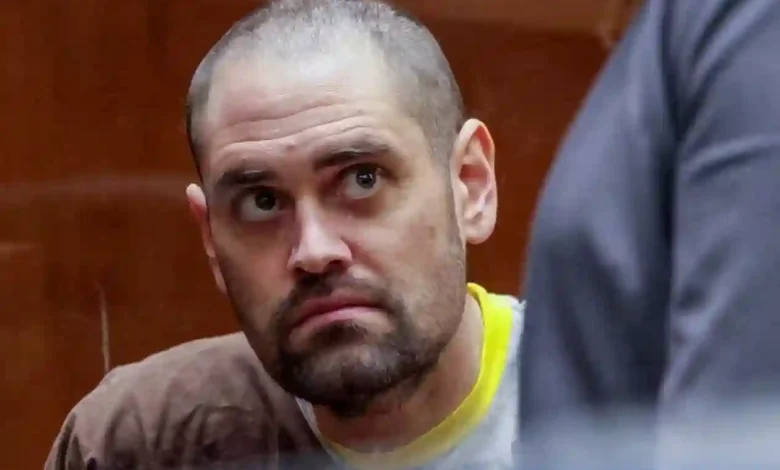
Table of Contents
Nick Reiner indictment documents unsealed on Wednesday have cast a grim spotlight on a tragedy that has shaken the core of the American entertainment industry. In a shocking development that has gripped both Hollywood and the wider public, a Los Angeles County grand jury has formally indicted 32-year-old Nick Reiner on murder charges. The charges stem from the horrific double slaying of his parents, the revered filmmaker and actor Rob Reiner, and his mother, photographer and producer Michele Singer Reiner. Crucially, prosecutors have added a special circumstance allegation: that the defendant was lying in wait before launching the fatal assault. This high-profile arrest has legal commentators analyzing California’s stringent murder statutes while communities mourn the loss of two prominent cultural icons, drawing levels of public interest comparable to other highly publicized shootings that command national media attention.
Introduction to the Tragic Brentwood Case
The brutal crime took place on December 14 in the affluent Brentwood section of Los Angeles. Rob Reiner, 78, and Michele Singer Reiner, 70, were found stabbed to death inside their upscale residence. The sheer violence of the attack shocked neighbors and long-time family friends, who described the couple as deeply devoted to one another and active in their community. Los Angeles police officers arrived at the scene following an emergency call and discovered the bodies of the legendary director and his wife. Within hours of the gruesome discovery, authorities located and arrested Nick Reiner. In the immediate aftermath of the arrest, questions arose regarding neighborhood safety and local police response times in affluent residential zones, though the swift apprehension of the suspect somewhat tempered local anxiety.
Unsealing the Secret Grand Jury Indictment
For months, the legal proceedings remained largely out of the public eye. The Los Angeles County grand jury had been meeting in secret to review the physical evidence, witness testimonies, and forensic reports compiled by the police. On July 20, the grand jury formally returned the indictment, but the document remained sealed until Wednesday. Upon its unsealing, Nick Reiner was brought into court under heavy security, where he entered a plea of not guilty to both counts of first-degree murder. The defense team has signaled that they intend to challenge the state’s narrative, but the inclusion of the “lying in wait” allegation dramatically raises the stakes of the upcoming trial. If convicted on these charges, the defendant faces a sentence of life imprisonment without the possibility of parole, or potentially the death penalty, although California currently maintains a moratorium on executions.
Deciphering the ‘Lying in Wait’ Special Circumstance
Under California Penal Code Section 190.2(a)(15), the “lying in wait” special circumstance is one of the most severe enhancements a prosecutor can file in a homicide case. To prove this allegation, the prosecution must establish three distinct elements beyond a reasonable doubt. First, there must be a substantial period of watching and waiting for an opportune time to act. Second, the perpetrator must have concealed their purpose from the victim. Third, the perpetrator must have launched a surprise attack from a position of advantage. In the context of the Reiner case, this allegation suggests that the attack was not a sudden crime of passion or a spontaneous dispute, but a calculated, pre-planned ambush. Legal experts note that proving this requires meticulous timeline reconstruction, digital forensics, and physical evidence demonstrating that the defendant purposefully positioned himself to catch his parents off guard. This complex legal battle begins as national news cycles remain crowded with discussions of geopolitical tensions in 2026, yet the local court case continues to capture significant local and international headlines.
Chronology of the Brentwood Tragedy and Legal Milestones
To understand the progression of this high-profile case, it is helpful to look at the timeline of events from the night of the murders to the unsealing of the grand jury indictment. The following table highlights the critical milestones in the investigation:
| Date | Event / Milestone | Key Details |
|---|---|---|
| December 14 | Brentwood Double Slaying | Rob and Michele Reiner are found stabbed to death in their home. |
| December 14 (Hours Later) | Arrest of Nick Reiner | Suspect apprehended by LAPD close to the scene of the crime. |
| December to June | Forensic Investigation | Detectives compile digital records, forensic DNA, and psychological evaluations. |
| July 20 | Grand Jury Indictment | The grand jury meets in secret and returns an indictment with “lying in wait” allegations. |
| Wednesday (Recent) | Indictment Unsealed | Nick Reiner enters a “not guilty” plea in LA County Superior Court. |
Rob Reiner and Michele Singer: A Celebrated Legacy
Rob Reiner’s passing represents the end of an era for American cinema. Known initially as “Meathead” on the groundbreaking television sitcom All in the Family, Reiner went on to become one of Hollywood’s most versatile and successful directors. His filmography includes classics such as This Is Spinal Tap, The Princess Bride, Stand by Me, When Harry Met Sally…, and A Few Good Men. Beyond his artistic endeavors, Reiner was an influential political activist who championing early childhood education and clean air initiatives. Many in the political arena recalled his prominent voice during the evolving democratic primaries and his efforts in progressive advocacy. His wife, Michele Singer Reiner, was a highly respected photographer and producer who worked closely alongside him on various artistic and philanthropic projects. Together, they formed a formidable partnership that left a lasting mark on the cultural and political landscape of Los Angeles.
Nick Reiner’s Background and Defense Strategy
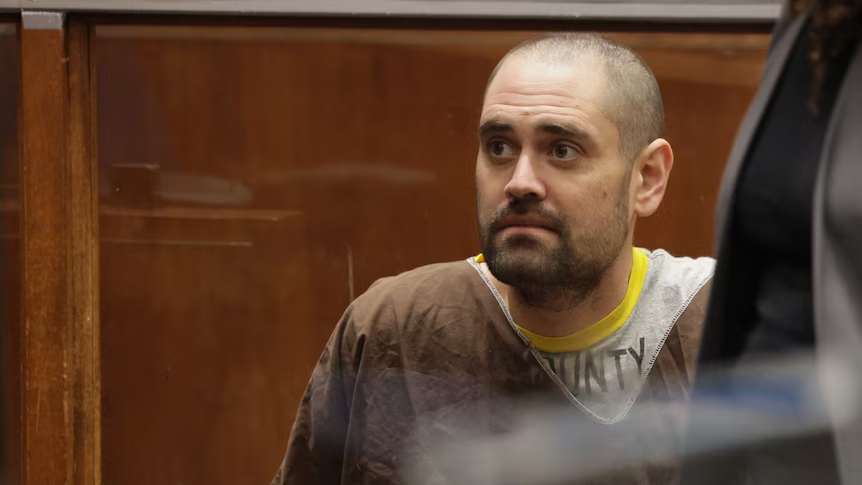
Nick Reiner, 32, had previously collaborated with his father on the semi-autobiographical 2015 film Being Charlie, which explored a young man’s struggles with substance abuse and recovery. The film was praised for its raw, honest portrayal of addiction, drawing directly from Nick’s personal experiences. The defense team, led by seasoned criminal attorneys, is expected to delve deeply into Nick’s psychological history. They may seek to introduce evidence of mental health struggles, potentially contesting the state’s assertion of premeditation and the “lying in wait” enhancement. Observers suggest that the defense might argue the incident was the result of a severe psychiatric break rather than a cold, calculated plan. Funding such a rigorous, expert-heavy defense can be astronomically expensive, reminding legal analysts that while local prosecution budgets can sometimes rival aspects of the federal defense department budget in high-profile cases, the cost of defense for the accused is equally formidable.
Grand Jury Proceedings vs. Preliminary Hearings
In California, prosecutors can initiate a felony trial either by filing a complaint followed by a preliminary hearing or by seeking a grand jury indictment. The District Attorney’s decision to utilize a grand jury in this case is a strategic move often seen in high-profile homicides. Unlike a preliminary hearing, which takes place in an open courtroom with cross-examination by defense counsel, grand jury proceedings are entirely secret. This allows prosecutors to present sensitive evidence and protect witnesses from intense media scrutiny before the trial begins. While some critics argue that the grand jury system favors the prosecution due to the lack of defense representation during the hearings, prosecutors emphasize that it ensures a thorough, uninterrupted review of the facts. This procedural maneuver has kept the public tracking these events with the same intensity usually reserved for regional widening conflicts or national political crises.
Hollywood and Public Reaction to the Tragedy
The tragic loss of Rob and Michele Reiner has elicited heartfelt tributes from across the globe. Industry peers, actors, and politicians have expressed their profound sorrow and disbelief at the circumstances surrounding their deaths. While international observers were preoccupied with escalating foreign policy crises, the entertainment world paused to remember the Reiners’ immense contributions to film and philanthropy. Even international leaders, including foreign ministers analyzing American culture and diplomatic relations with allies, noted the profound cultural loss. As the legal process moves forward, the focus shifts to the upcoming pre-trial hearings, where both sides will debate the admissibility of evidence and the validity of the “lying in wait” allegation. The trial of Nick Reiner promises to be one of the most legally complex and emotionally charged proceedings in recent Hollywood history, highlighting the painful intersection of familial tragedy, mental health challenges, and the search for justice.