Heatwaves Break 90+ US Records as Overnight Temperatures Soar
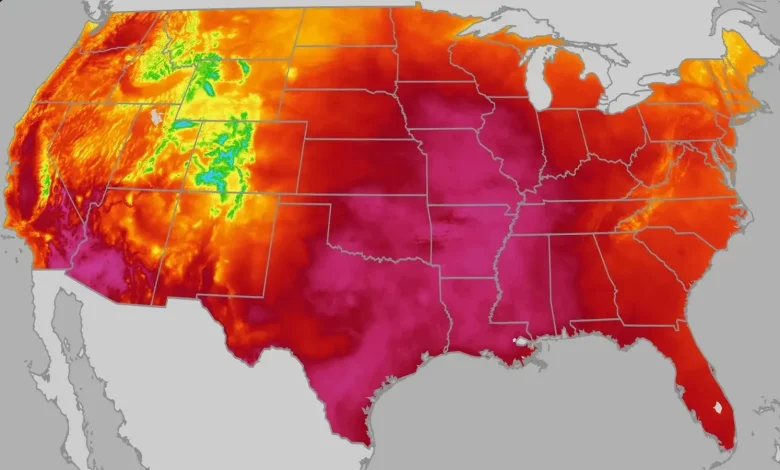
Table of Contents
Heatwaves are bringing unprecedented danger to millions of Americans as a massive, lingering heat dome blankets much of the country. This week, the National Weather Service (NWS) projects that more than 90 temperature records across the United States will be tied or broken through Wednesday. Strikingly, the vast majority of these broken records will occur not during the blazing peak afternoon hours, but during the overnight period. This lack of nocturnal cooling represents an escalating, quiet emergency that has health experts deeply alarmed. With recent reports detailing how deadly extreme heat impacts have already claimed numerous lives across multiple states, understanding the physiological, environmental, and meteorological aspects of this ongoing crisis is crucial.
Heatwaves :The Science of the Heat Dome: Why the Atmosphere Traps Scorching Air
To comprehend the severity of the current meteorological event, one must dissect the mechanics of a heat dome. Under normal atmospheric circumstances, warm air rises into the upper troposphere, cools, and then sinks in a continuous circulation cycle. However, a heat dome forms when a massive ridge of high atmospheric pressure becomes stationary, or “blocked,” over a geographic region. This block is typically initiated by sharp variations in ocean surface temperatures, which cause strong ocean-to-atmosphere winds to build a persistent, slow-moving ridge of high pressure.
Extreme meteorological events have increased across the nation; just as we monitor severe storm systems like fatal lightning strike incidents, we must also pay attention to these massive stagnant heat domes. The high-pressure ridge currently acting as a dome is blocking moisture and cool fronts from sweeping across the continental U.S., forcing local temperatures to ascend to levels typically reserved for the desert Southwest. Because high pressure forces air downward, the sinking air acts as a heavy dome, compressing the air below it and heating it further. This compression suppresses cloud cover and prevents cooler storm systems from moving in, creating a persistent feedback loop where the land surface gets increasingly drier and hotter.
Heatwaves :The Overnight Temperature Crisis: Why Lack of Nocturnal Cooling is Dangerous
Traditionally, public health messaging during heatwaves focused on avoiding the midday sun. However, contemporary climate science indicates that high overnight temperatures pose an even more significant threat to human survival. Under normal conditions, the human body regulates its internal core temperature by expanding blood vessels near the skin (vasodilation) and producing sweat, allowing heat to escape into the cooler evening air. This physiological reset is essential for cardiovascular health, lowering the resting heart rate and allowing metabolic recovery.
When nocturnal temperatures fail to drop below 70°F (21°C) or 80°F (27°C), the body’s internal thermostat remains in overdrive. Heart rate remains elevated, and the cardiovascular system works overtime to keep the core temperature stable. This lack of nocturnal recovery can cause heat exhaustion to rapidly cascade into heatstroke by the second or third day of exposure. According to public health and climate scientist Kristie Ebi of the University of Washington, the dangers of high overnight heat can sneak up on people. Because their bodies cannot cool down at night, individuals wake up already compromised, compounding the metabolic strain they experience during the next day’s scorching conditions. Families seeking relief from the stifling urban warmth are turning to water bodies, highlighting the critical importance of swimming pool safety measures during peak summer months.
Heatwaves :Geographical Distribution: Over 90 Records At Risk
The scope of the current heat wave is continental in scale, affecting multiple meteorological zones simultaneously. The National Weather Service is forecasting that more than 90 temperature records will either be tied or shattered this week through Wednesday, with overnight highs representing the bulk of the anomalies.
In the southern tier, cities such as Fort Lauderdale, Miami, and Tampa in Florida, along with Galveston, Texas, and Charleston, South Carolina, are bracing for nights where temperatures will refuse to drop below 80°F (27°C). The addition of intense relative humidity makes the “heat index” feel closer to 105°F (41°C) even under the cover of darkness. Meanwhile, regions traditionally known for their frigid winter climates are experiencing unprecedented tropical nights. Places in the Midwest and Northeast, including Fargo, North Dakota; International Falls, Minnesota; and Portland, Maine, will see overnight lows stay stubbornly above 70°F (21°C). These communities are structurally unprepared for such extremes; many homes lack centralized air conditioning systems, further exacerbating the vulnerability of local residents.
Heatwaves :Public Health and Ecological Toll: Heat Deaths and Western Wildfires
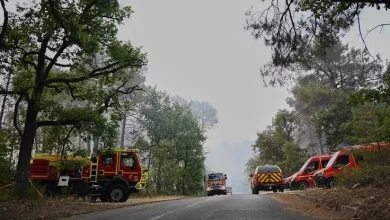
The human and environmental toll of the ongoing heatwave is already being felt intensely. Heat-related casualties have already been reported in New Jersey, serving as a grim warning of how quickly extreme heat can turn fatal. This relentless heat is not the only threat facing public safety, as climate shifts amplify various environmental and health hazards across the country. At the same time, the extreme thermal stress has parched soils and vegetation in the Western states. This desiccating effect has laid the groundwork for rapid wildfire ignition and spread, with dozens of active blazes currently being fueled by high winds and triple-digit daytime heat.
To illustrate the widespread nature of these regional temperatures and associated risk profiles, the following comparison table outlines the severe nighttime heat projections across the United States this week:
| Region / City | Forecast Overnight Low (°F / °C) | Historical Average Low (°F) | Primary Risk and Mitigation Status |
|---|---|---|---|
| Fort Lauderdale & Miami, FL | 80°F+ (27°C) | 74°F – 76°F | Extreme relative humidity; high heat index; continuous AC usage required. |
| Galveston, TX | 81°F (27.2°C) | 75°F | Coastal humidity preventing cooling; severe power grid strain. |
| Charleston, SC | 80°F (26.7°C) | 73°F | Prolonged thermal discomfort; elevated health alerts for vulnerable communities. |
| Fargo, ND | 72°F (22.2°C) | 58°F | Unprepared infrastructure; low centralized air conditioning penetration. |
| International Falls, MN | 70°F (21.1°C) | 52°F | Extreme anomaly for sub-boreal climate; high physiological strain. |
| Portland, ME | 71°F (21.7°C) | 57°F | Lack of ventilation in historic homes; increased emergency room visits. |
Urban Heat Island Amplification and Environmental Injustice
The overnight temperature crisis is magnified in urban metropolitan areas due to the Urban Heat Island (UHI) effect. High-density cities contain vast expanses of asphalt, concrete, and metal, which absorb immense thermal radiation during the day. After sunset, while rural areas quickly radiate their stored energy back into space, urban environments release this trapped heat slowly, keeping local temperatures up to 10°F to 15°F warmer than surrounding rural areas.
This phenomenon is not merely an inconvenience; it represents a major environmental injustice. Research shows that low-income neighborhoods and communities of color often have fewer parks, less tree canopy, and more industrial concrete surfaces. Consequently, residents in these areas suffer from higher rates of heat-related illnesses. Lacking financial resources to run high-powered air conditioning systems through the night, many are forced to sleep in hot, poorly ventilated rooms. This continuous heat exposure triggers systemic inflammation, worsening pre-existing respiratory and cardiovascular illnesses.
Environmental Interconnection: Changing Weather Systems
The intensification of these heat domes cannot be analyzed in isolation. Climatologists point out that the warming of the global atmosphere is shifting seasonal baselines. While some regions suffer from severe drought, others are reeling from severe flooding and rescue operations due to atmospheric instability and moisture-laden air masses. The same moisture that fuels torrential downpours in the Midwest is trapping heat in the South and East, driving dew points up and preventing nights from cooling down.
Interlocking Climate Extremes: Heat, Flooding, and Drought
The feedback loops of climate change are becoming increasingly apparent. A hotter atmosphere holds more moisture—roughly 7% more for every degree Celsius of warming. This physics-based reality results in highly concentrated, extreme rain events in some parts of the country, while simultaneously worsening evaporation in others. In the West, the combination of extreme heat and drought has resulted in high fire hazard indices. The dry vegetation has also fueled devastating blazes, reminiscent of global challenges such as the catastrophic forest fires seen in Europe. These compounding events demand a coordinated, multidisciplinary public response.
Mitigating the Risks: Protecting Vulnerable Populations
Mitigating the risks of extreme overnight heat requires structural changes alongside individual vigilance. Public health authorities are urging municipal leaders to establish dedicated cooling centers that remain open 24/7 during extreme heat events. Typically, cooling centers close at sunset, but with overnight temperatures remaining near record highs, keeping these safe spaces open overnight is a life-saving measure.
Medical systems are already stretched thin dealing with infectious threats and global public health emergencies, making this environmental crisis even more taxing on hospital emergency rooms. Individuals are advised to drink plenty of fluids, limit outdoor activities during high-heat periods, utilize fans and air conditioning, and conduct regular wellness checks on elderly neighbors and individuals with pre-existing cardiovascular conditions.
Infrastructure Strain: Power Grids and Economic Toll
Beyond the immediate threat to human life, prolonged overnight heat puts severe stress on physical infrastructure. Electrical grids rely on cooler night temperatures to prevent transmission lines, substations, and transformers from overheating. When the demand for air conditioning remains continuous through the night, the grid gets no cooling break, dramatically increasing the risk of mechanical failures, transformer blowouts, and widespread rolling blackouts.
These escalating events emphasize the need to address climate policy, especially amid debates over environmental conservation rollbacks that affect habitat resilience and forest protection. Without robust infrastructure planning, public safety remains highly vulnerable to the escalating impacts of a warming planet.