U.S. stock index futures Slide as Oil Surges 2026
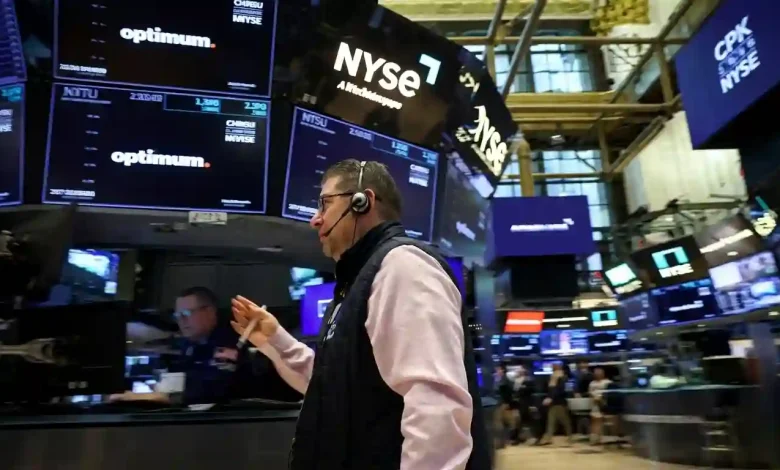
Table of Contents
U.S. stock index futures slipped on Tuesday as fresh hostilities in the Middle East drove crude oil prices to their highest levels since late July, deepening market gloom ahead of crucial inflation data scheduled for release later this week. The downward pressure follows a volatile stretch that saw global investors scrambling to recalibrate their monetary policy expectations following a key address by Federal Reserve Governor Christopher Waller and a stronger-than-expected August employment report. As markets absorb these multi-faceted geopolitical and economic shocks, investor risk appetite has notably deteriorated, prompting capital to seek shelter in safe-haven currencies while leaving riskier assets exposed to downside volatility.
U.S :Global Markets Retreat Amid Geopolitical Shockwaves
The geopolitical flare-up in the Middle East has disrupted the tentative stability that global equity indices had managed to achieve. As investors attempt to balance their portfolios, the ongoing pressure from rising oil and bond yields has severely hampered growth equities. In pre-market trading, futures for the Dow Jones Industrial Average dropped 411 points, representing a decline of 0.8%, while the S&P 500 futures fell by 0.25%. The tech-heavy Nasdaq futures managed to trade relatively flat, but remained under severe technical pressure. The sudden risk aversion was also mirrored across European and Asian markets, with major stock indices tracking Wall Street’s downward trajectory as the reality of a prolonged energy shock sets in.
The flight to safety has had a highly pronounced effect on currency and debt markets. The Japanese yen, for instance, surged to near its strongest level of the year against the greenback, fueled by both safe-haven demand and growing expectations that the Bank of Japan will continue to adjust its monetary policy stance nimbly. Meanwhile, the yield on the U.S. 10-year Treasury note moved slightly higher to 4.794%, reflecting the persistent inflationary fears associated with climbing oil prices. Financial analysts warn that if energy costs continue their current upward trajectory, the broader stock market could experience a protracted correction as corporate profit margins are squeezed by rising operational expenses and debt service costs.
U.S :Middle East Hostilities Spark a Sharp Rise in Energy Prices
At the center of Tuesday’s market anxiety is the escalating naval and military activity in the Persian Gulf and the Red Sea. Over the weekend, reports surfaced that U.S. forces struck multiple targets, including three Iranian oil tankers near Kharg Island, which is Iran’s primary oil export hub. This prompted immediate threats of retaliation from Iranian officials, who warned that energy infrastructure across the entire Gulf region remains highly vulnerable to military action. These aggressive movements gained traction after official announcements indicating that Iran vows devastating retaliation if Western coalition forces launch further strikes on its state-owned assets.
The immediate physical impact on energy logistics has been substantial. Yemen’s Houthi rebels launched coordinated drone and missile attacks targeting Saudi energy installations in the southern region, temporarily halting key operations and exacerbating worries about regional supplies. Military analysts point out that the current crisis represents the most dangerous phase of the conflict involving Iran and allied regional actors. In response, Brent crude futures jumped by over 1.1% to trade near $98.36 a barrel, after briefly touching $99.46, putting the highly watched $100-per-barrel threshold back into view. Similarly, West Texas Intermediate (WTI) futures surged to $93.81 per barrel. Fears are mounting that the supply chains will remain structurally blocked as Iran vows painful response strategies across crucial shipping corridors.
U.S :The Fed Dilemma: Waller Speech and Jobs Data Reshape Rate Expectations
The sudden energy shock has vastly complicated the policy environment for the Federal Reserve. Last week, Federal Reserve Governor Christopher Waller gave a widely scrutinized address at the Reuters NEXT Newsmaker Interview in Washington, D.C. In his speech, Waller signaled a willingness to pause the Fed’s aggressive rate-hiking campaign, famously paraphrasing John Lennon by urging the public and markets to ‘give disinflation a chance.’ He indicated that if incoming price data for August continued to show a cooling trend, he would support keeping the federal funds rate unchanged at the upcoming September 15-16 FOMC meeting. However, he left the door open for another rate increase should inflation print hotter than expected.
Waller’s relatively cautious outlook was quickly challenged by the release of the U.S. non-farm payrolls report on Friday. The data showed that the U.S. economy added 162,000 jobs in August, exceeding consensus forecasts and signaling that the domestic labor market remains highly resilient despite restrictive borrowing costs. With the unemployment rate holding steady at 4.1%, the stronger economic activity suggests that underlying demand has not fully cooled. Consequently, the probability of a 25 basis point rate hike at the September meeting, which had temporarily retreated after Waller’s speech, rebounded to approximately 60.3% as traders realized that the Fed may not have finished its tightening cycle.
U.S :Impact on Wall Street and Corporate Movements
Individual stock movements on Tuesday highlighted the selective nature of the current sell-off, with high-profile earnings disappointments and healthcare setbacks dominating pre-market action. Swiss pharmaceutical giant Novartis AG saw its American Depositary Receipts (ADRs) plunge over 12% following reports that its Phase 3 clinical trial for an experimental cardiovascular drug failed to meet its primary endpoints. This massive disappointment sent shockwaves through the healthcare sector, causing major competitors like Amgen to slide over 6% in sympathy as investors reassessed the sector’s long-term research pipeline.
Conversely, energy and defensive stocks enjoyed significant inflows as investors rotated out of highly valued tech and growth plays. Major multinational energy companies saw their stock prices appreciate in early trading, tracking the upward surge in Brent and WTI crude. Even safe-haven physical assets witnessed some consolidation on Tuesday, making gold prices ease slightly from their multi-week peaks as market participants processed the latest monetary signals. Additionally, credit markets remained active as corporate giants sought to secure liquidity; tech giant Amazon announced its inaugural sterling bond issuance to fund heavy capital expenditures, reflecting a proactive stance amidst rising borrowing costs.
U.S :Summary of Market Shifts on September 8, 2026
The following table outlines the key performance metrics and primary drivers across various asset classes during early trading on Tuesday, September 8, 2026. This data highlights the direct correlation between geopolitical developments and immediate price movements in the financial markets.
| Asset Class | Price / Index Level | Daily Performance | Primary Market Catalyst |
|---|---|---|---|
| Dow Jones Industrial Average Futures | -411 points | -0.80% | Middle East Escalation and Trade Tariff Fears |
| S&P 500 Futures | -13.75 points | -0.25% | Energy Sector Inflow vs. Broad Tech Sell-Off |
| Brent Crude November Delivery | $98.36 per barrel | +1.10% | Threat of Strait of Hormuz Supply Blockades |
| West Texas Intermediate (WTI) October Delivery | $93.81 per barrel | +1.30% | Houthi Attacks on Saudi Oil Infrastructures |
| Spot Gold | $4,480 per ounce | Neutral / Mixed | Easing of Aggressive Federal Reserve Rate Hike Bets |
U.S :Navigating Trade Turmoil: The US-Canada Trade Dispute
In addition to the Middle East geopolitical crisis, North American financial markets are grappling with an escalating trade dispute between the United States and Canada. Retaliatory tariffs imposed by Canadian Prime Minister Mark Carney took effect just after midnight on Tuesday, following the collapse of trade negotiations last month. This protectionist shift has added another layer of complexity for corporate supply chains, as tariffs on major industrial and agricultural commodities threaten to push input prices higher on both sides of the border. These supply-chain blockages are mirroring structural issues across North American manufacturing corridors, where leading automakers urge Congress to provide legislative relief.
The trade friction with Canada is particularly damaging to the industrial and manufacturing sectors, which rely on seamless, integrated cross-border logistics. Economists warn that the tariffs could act as a stagflationary headwind, lowering real GDP growth while keeping consumer prices elevated. With supply chains already under pressure from global shipping route re-routings and high fuel costs, the additional domestic tariff barriers are expected to lead to higher costs for consumers and lower capital expenditure plans for mid-to-large-size corporations in the coming quarters.
U.S :Macro Outlook: Will Inflation Data Trigger a September Rate Hike?
The immediate path forward for equity markets remains heavily dependent on the upcoming August inflation data, scheduled for release on September 11. This report represents the final critical data point that Federal Reserve officials will analyze before their highly anticipated policy meeting. If consumer price index (CPI) figures confirm that inflation is steadily moderating toward the Fed’s 2% target, the central bank may find sufficient justification to follow Waller’s suggestion to keep rates steady, allowing the economy to absorb the cumulative tightening of the past several years.
However, the rapid escalation in energy prices complicates this outlook. If the spike in Brent crude feeds directly into retail fuel and transport costs, the headline inflation rate could remain uncomfortably high, forcing the Fed to prioritize price stability over economic growth. This cautious corporate sentiment is also highly visible in other tech-reliant supply nodes, as seen in the recent Foxconn Q3 outlook which trimmed future revenue guidance. Despite the broader commercial headwinds, companies are prioritizing core capital investments, such as innovative aviation initiatives focusing on contrail avoidance tech to hedge against long-term operational and environmental liabilities.
Conclusion: Market Sentiments Remain Caught in the Crosshairs
Ultimately, the convergence of geopolitical conflicts, central bank policy uncertainty, and trade disputes has created a highly challenging environment for global investors. U.S. stock index futures reflect the growing realization that the path toward a soft landing is fraught with significant obstacles. Until there is greater clarity regarding the extent of energy supply disruptions in the Middle East and the Federal Reserve’s final decision on interest rates, markets are highly likely to remain volatile, with a clear bias toward defensive positioning and risk reduction.





One Comment