Padua cafes struggle under extreme European heatwaves 2026
Table of Contents
Padua cafes have, for more than a century, welcomed customers for an early evening drink, or aperitivo, encouraging them to sit outside and socialise before dinner. However, as Europe bakes under its fifth intense heatwave of the year, the traditional 6:00 to 7:00 p.m. slot has all but disappeared. Locals and tourists alike are seeking air-conditioned refuge indoors, dramatically cutting sales for many historical hospitality businesses. This profound shift is not merely a temporary disruption of consumer habits; it represents a fundamental threat to one of northern Italy’s most cherished cultural and economic rituals. The vibrant, sun-drenched squares of Padua, typically alive with the clinking of glasses and the hum of community conversations, now stand eerily quiet during what used to be their most profitable hours.
1. Introduction: A Century of Tradition Interrupted
In the historic heart of Padua, the early evening has long been considered sacred. The concept of the aperitivo is woven into the very fabric of daily life, acting as a social bridge between the end of the working day and the late-evening dinner. Under normal conditions, as the clock strikes six, a wave of social energy sweeps through the city’s cobblestone streets. Friends, colleagues, and families converge on outdoor terraces to unwind, share appetizers, and enjoy light alcoholic beverages. This century-old tradition relies entirely on the comfort of the outdoor environment. Unfortunately, the unprecedented heat of recent summers has fractured this delicate cultural ecosystem. With temperatures regularly surpassing forty degrees Celsius during the late afternoon, the once-welcoming outdoor tables have turned into intolerable heat traps, forcing customers to abandon the open air entirely.
2. The Historical Legacy of the Padua Aperitivo
To understand the gravity of the current crisis, one must understand the deep-rooted history of Padua’s cafe culture. Home to one of the world’s oldest universities, Padua has historically served as a fertile ground for intellectual, political, and social exchange. For generations, the city’s central plazas—including Piazza delle Erbe, Piazza della Frutta, and the majestic Piazza dei Signori—have been flanked by grand cafes that act as open-air salons. The Aperitivo ritual in Padua is distinct; it is characterized by the consumption of regional wines, classic spritzes, and a variety of small savory snacks known as cicchetti. This practice is designed to stimulate the appetite and foster face-to-face interaction. By encouraging people to slow down and sit outside, Padua’s cafes have historically maintained a robust local economy while cementing a strong sense of civic identity. When this outdoor interaction is restricted, the social glue that binds the community begins to dissolve.
3. Anatomy of Europe’s Fifth Heatwave of 2026
The current meteorological crisis is part of a broader, highly alarming trend affecting the Mediterranean basin. The year has seen an unprecedented sequence of atmospheric high-pressure systems, colloquially known as heat domes, trapping scorching air over southern and western Europe. In a similar fashion, high temperatures have also impacted outdoor gatherings across the continent, much like the intense summer conditions observed by spectators across Spain recently. Padua, located in the Po Valley, is particularly vulnerable to these conditions due to its geographic positioning, which traps humidity and prevents cooling breezes from reaching the urban center. Just as advanced scientific tools like next-generation rocket technologies aim to revolutionize environmental observation from space, immediate down-to-earth solutions are required to save urban cultural hubs from becoming completely uninhabitable during the summer months.
4. Economic Consequences for Hospitality Businesses
The financial impact on Padua’s hospitality sector has been immediate and severe. Historically, the 6:00 p.m. to 8:00 p.m. window accounted for up to forty percent of a cafe’s daily revenue. Today, that revenue stream is shrinking rapidly. While indoor spaces offer air conditioning, they possess only a fraction of the seating capacity found on the spacious outdoor terraces. A cafe that can easily accommodate a hundred patrons outdoors might only have space for twenty or thirty inside. As hospitality operators adapt, they are also eyeing broader global economic developments that affect supply chains, making the rising costs of raw ingredients and energy even harder to absorb.
| Operational Metric | Traditional Aperitivo Dynamics | Heatwave-Era Aperitivo Dynamics |
|---|---|---|
| Primary Seating Zone | Outdoor plazas (terrazze) with heavy foot traffic | Indoor air-conditioned rooms with restricted spacing |
| Peak Operating Hours | 6:00 PM to 8:00 PM (the golden social hour) | Delayed to 8:30 PM or later; early evening is empty |
| Average Venue Revenue | 100% capacity utilization with high turnover | 40% to 50% decrease due to indoor space limitations |
| Utility & Energy Overhead | Minimal; natural air cooling and ambient lighting | Extreme; continuous high-performance AC consumption |
| Customer Menu Preferences | Spritz, prosecco, and salty appetizers | Heavy focus on ice-cold beverages and hydration-first options |
Furthermore, the cost of keeping large historic indoor spaces air-conditioned has skyrocketed. The compounding effect of energy inflation, heavily influenced by historical milestones such as regional conflicts affecting fuel costs, has doubled the operational burden of keeping AC units running constantly, leaving business owners with narrower margins than ever before.
5. The Death of the 6-7 P.M. Social Slot
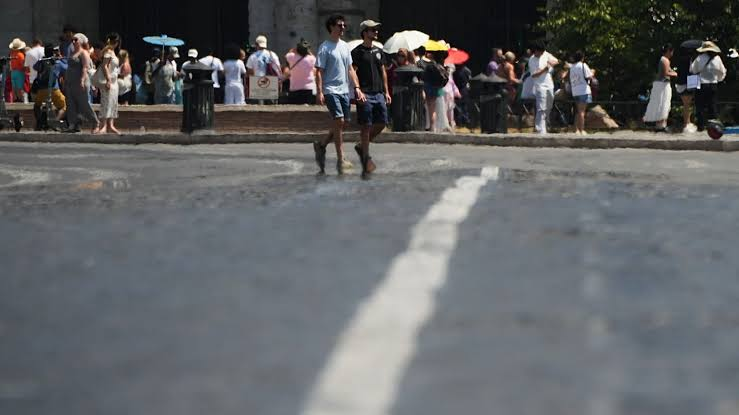
The disappearance of the 6:00 to 7:00 p.m. social slot has fundamentally altered the rhythm of the city. In the past, this hour served as a gentle transition period. Employees leaving their offices would stop for a quick drink on their way home, creating a casual, spontaneous flow of patrons. Today, because of the lingering, suffocating daytime heat, this transition is hurried and anxious. Workers now head straight from their air-conditioned offices to their air-conditioned vehicles and homes, bypassing the public squares entirely. This atmosphere of uncertainty and rapid retreat mirrors how global markets react to prolonged stalemates, such as the strategic updates recorded during protracted geopolitical standoffs. The loss of spontaneous gathering spaces reduces the cultural liveliness of the city and leaves historic centers feeling hollowed out during the daytime.
6. How Padua’s Cafes Are Fighting to Adapt
Faced with an existential threat, Padua’s cafe owners are demonstrating remarkable resilience by experimenting with new business models. Some have begun installing high-tech outdoor misting systems to lower temperatures on their terraces by a few degrees, though this is often an expensive and temporary fix. Others are actively trying to shift the peak hours of social activity. By offering late-night promotions and extending their operating hours into the early hours of the morning, when the concrete finally begins to cool, they hope to recapture lost evening revenue. However, adjusting municipal noise ordinances and labor schedules to accommodate midnight crowds presents its own set of legal and administrative hurdles, forcing business owners into long negotiations with local government authorities.
7. Long-Term Climatological Implications for Southern Europe
Climatologists warn that the extreme weather patterns observed this year are not anomalies, but rather a preview of the new normal for southern Europe. The Mediterranean is warming at a rate much faster than the global average, leading to prolonged, multi-week heat events that disrupt agriculture, tourism, and daily civic life. For many Italians, losing the evening aperitivo feels like an iconic cultural institution quietly fading away, bringing to mind the sentimental reactions when legendary figures choose to step back from their lifelong public roles. At the same time, the political and financial resources needed to combat local climate adaptation are frequently stretched thin by urgent global challenges, such as navigating escalating geopolitical tensions in the Middle East, which often divert legislative attention away from long-term environmental planning.
8. Conclusion: Redefining the Italian Way of Life
Ultimately, the crisis facing Padua’s cafes is a clear indicator of how climate change is actively reshaping human culture and commerce. The traditional Italian lifestyle, celebrated globally for its emphasis on outdoor leisure, community connection, and slow living, is being forced to adapt to a much harsher environment. To survive, businesses in Padua and across southern Europe must continue to innovate, finding creative ways to keep customers comfortable without destroying the historic charm of their establishments. Whether through urban greening initiatives to cool down public squares, structural changes to operating hours, or modern architectural adaptations, the fight to preserve the traditional aperitivo hour is a fight to keep the very soul of the Italian city alive.