BRICS silence on Iran crisis exposes Global South fractures
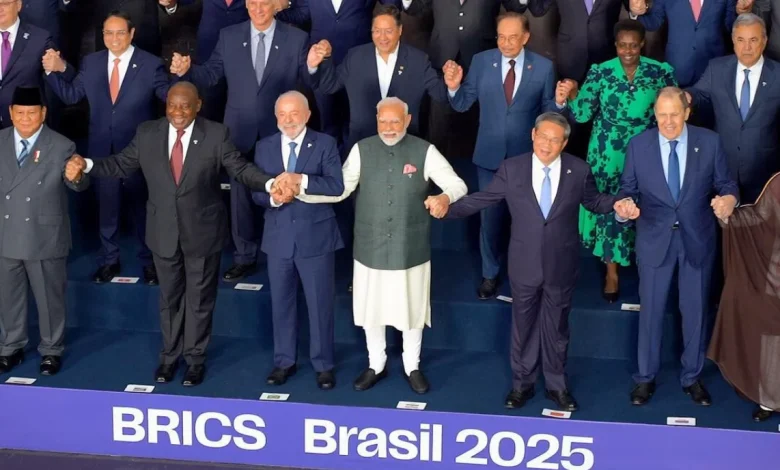
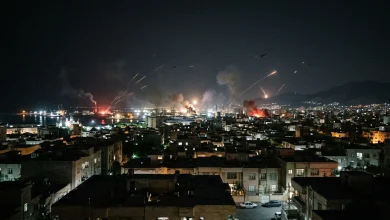
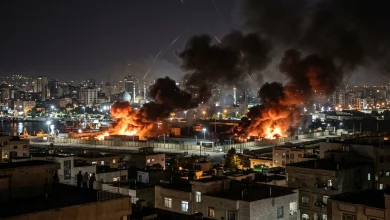
BRICS silence is echoing through the halls of global diplomacy, exposing the harsh realities of multipolar geopolitical alliances. For 45 agonizing days, Iran has explicitly called on its fellow BRICS members to help mediate, intervene, or at least issue a unified condemnation to end the ongoing war. The response from the bloc that positions itself as the Global South’s definitive answer to Western hegemony? Absolute, unyielding silence. This profound lack of collective action is not merely an oversight; it is a calculated feature of a grouping built on economic convenience rather than mutual defense. As the crisis deepens, the world is witnessing what happens when an emerging superpower coalition is forced to confront actual warfare: individual members retreat to their corners, securing their own interests while abandoning their supposedly allied partners to fend for themselves.
BRICS Silence: The Inaction That Speaks Volumes
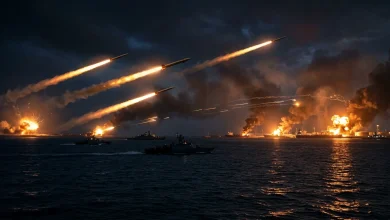
The accession of Iran into the BRICS coalition was initially heralded as a massive diplomatic victory for Tehran, a strategic maneuver designed to break the chains of Western isolation. By aligning with Brazil, Russia, India, China, and South Africa, Iranian leadership projected an image of robust international backing. However, when the war broke out and the geopolitical temperature reached a boiling point, the limitations of this alliance were immediately laid bare. Iran officially requested BRICS to leverage its combined diplomatic and economic weight to force a ceasefire. Instead, 45 days have passed without a single joint communiqué of substance from the BRICS leadership. This paralysis underscores a fundamental truth about the coalition: it lacks the institutional framework and the political will to act as a cohesive security mechanism. Unlike NATO, which operates on the principle of collective defense, BRICS functions almost exclusively as a platform for financial dialogue and de-dollarization strategies. When missiles are flying and maritime trade routes are blockaded, the diplomatic leverage of the bloc dissolves into thin air, leaving vulnerable members dangerously exposed to international aggression.
The Myth of the Global South’s United Front
For over a decade, BRICS has meticulously crafted a narrative framing itself as the vanguard of the Global South, a unified front standing tall against the geopolitical dominance of Washington and Brussels. The rhetoric is soaring, filled with promises of a multipolar world order based on equity, non-interference, and mutual respect. Yet, the ongoing silence regarding the Iranian crisis shatters this illusion of unity. A counterbalance to Western power requires more than just shared grievances and alternative banking mechanisms; it demands a unified strategic posture during global crises. The stark reality is that the Global South is not a monolith. The national interests of India, for example, often conflict directly with those of China. Brazil’s diplomatic priorities differ vastly from Russia’s military objectives. Consequently, when regional stability collapses, the fragile consensus holding the bloc together shatters. We see this vividly when peace talks collapse on the global stage, leaving individual states to navigate the fallout without the safety net of their purported allies.
A History of Inaction: From Crimea to Ukraine
The current diplomatic paralysis regarding Iran is far from an isolated incident; it is part of a long-standing historical pattern. BRICS has been here before, repeatedly failing the test of geopolitical solidarity. When Russia annexed Crimea in 2014, the bloc issued virtually nothing meaningful, offering only tepid statements that carefully avoided condemning Moscow while similarly failing to endorse the annexation outright. Fast forward to the 2022 invasion of Ukraine, and the script remained identical. While the West imposed sweeping sanctions and isolated the Russian economy, the other BRICS members quietly maintained their trade relationships, officially abstaining from key United Nations votes and refusing to label the conflict an invasion. They sought to distance themselves from the geopolitical fallout while maximizing their economic advantage by purchasing discounted Russian energy. This historical precedent makes the current silence on Iran entirely predictable. BRICS does not do conflict resolution; it does crisis avoidance.
Organized Selfishness: Individual Agendas Over Collective Action
When analyzing the lack of a unified response, it becomes clear that collective action within BRICS starts to look a lot like organized selfishness. Every member state is frantically busy cutting their own deals and securing their own borders, leaving the concept of bloc solidarity in the dust. The Iranian crisis has threatened crucial global supply chains, specifically the flow of energy through the Middle East. Rather than convening a BRICS summit to propose a joint peacekeeping initiative or a unified diplomatic front, individual nations have taken unilateral steps to protect their isolated interests. This dynamic transforms a supposedly formidable coalition into a fragmented collection of self-serving entities.
India’s Quiet Diplomacy in the Strait of Hormuz
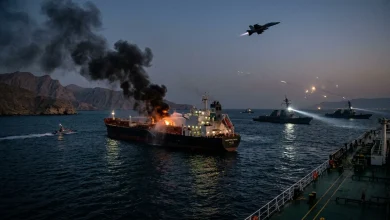
Perhaps the most glaring example of this organized selfishness is India’s maneuverings in the Strait of Hormuz. As one of the world’s largest energy consumers, India’s economy is fundamentally dependent on the uninterrupted flow of oil from the Middle East. When the war escalated, New Delhi did not turn to its BRICS partners for a joint naval escort or a coordinated diplomatic intervention. Instead, Indian diplomats quietly engaged in back-channel negotiations with regional actors, ensuring safe passage strictly for vessels bearing the Indian flag. This solitary pursuit of national interest mirrors the isolated navigational struggles seen when a Japanese LNG tanker crosses the Strait of Hormuz after agonizing delays. India’s success in protecting its own shipping lanes while turning a blind eye to the broader regional conflagration epitomizes the BRICS operational model: look out for yourself, and let your allies fend for themselves.
China and Russia Block UN Force Authorization
While India secured its trade routes, China and Russia utilized their positions at the United Nations Security Council to block a resolution that would have authorized international force to stabilize the Strait of Hormuz. On the surface, this might appear as a defense of Iran against Western military intervention. However, a deeper geopolitical analysis reveals a different motivation. Beijing and Moscow vetoed the resolution not to shield Tehran, but to prevent the United States and its European allies from expanding their military footprint in a critical maritime choke point. Their actions were rooted entirely in great power competition, not in bloc solidarity. China, in particular, has consistently demonstrated a preference for bilateral negotiations over collective BRICS action, as evidenced when China brokers agreements independently to project its own soft power in volatile regions. By paralyzing the UN response, Russia and China secured their own strategic objectives regarding Western containment, all while leaving Iran to face the immediate physical devastation of the war alone.
Economic Pacts vs. Geopolitical Crisis Management
The fundamental misunderstanding of BRICS lies in attempting to evaluate an economic forum through the lens of a security alliance. The architecture of BRICS—centered around institutions like the New Development Bank and initiatives focused on local currency trade—is intentionally designed to bypass Western financial chokeholds. It was never engineered to resolve armed conflicts. The table below illustrates how the bloc has consistently prioritized economic self-interest over cohesive geopolitical crisis management.
| Global Crisis | Year | Official BRICS Response | Individual Member Actions |
|---|---|---|---|
| Russian Annexation of Crimea | 2014 | Silent / Neutral Statements | Continued trade; careful avoidance of outright support or condemnation. |
| Ukraine Invasion | 2022 | Calls for peaceful dialogue | India and China vastly increased purchases of discounted Russian oil. |
| Iran Regional War | 2026 | 45 Days of Complete Silence | India secures own shipping; China/Russia block UN forces for strategic gains. |
This historical and ongoing data clearly demonstrates that BRICS is utterly ill-equipped for geopolitical crisis management. Expecting the bloc to end a war is akin to expecting a central bank to deploy military troops. The mechanisms for such actions simply do not exist within the BRICS charter. For nations like Iran, which sought membership precisely for geopolitical cover, this realization represents a massive and costly miscalculation. The economic pacts may yield long-term financial dividends, but they provide zero immediate protection against military or diplomatic onslaughts.
Will BRICS Ever Step Up as a Global Mediator?
Given the current paralysis, one must ask if BRICS will ever evolve into a genuine global mediator. The short answer is highly unlikely. As the bloc expands, taking on new members with increasingly divergent foreign policies and domestic agendas, achieving the unanimous consensus required for decisive diplomatic action becomes mathematically and politically impossible. The inclusion of fierce regional rivals within the same economic umbrella guarantees that BRICS will remain permanently gridlocked on matters of international security. If the original five members could not agree on a unified stance regarding Ukraine, a newly expanded BRICS with over a dozen members has absolutely zero chance of navigating the complex, explosive realities of the Middle East. The bloc’s silence today is not an anomaly; it is the permanent, structural baseline.
The Future of Non-Western Alliances
The unfolding disaster for Iran serves as a bleak warning for other nations looking toward non-Western alliances as a substitute for traditional security guarantees. The transition toward a multipolar world order is undeniably underway, but this new era is not characterized by the rise of a cohesive, anti-Western superpower coalition. Instead, it is defined by aggressive transactionalism and organized selfishness. Nations will align on specific issues where interests converge—such as circumventing the US dollar—and immediately abandon one another when conflict arises. For the Global South, the harsh lesson of 2026 is that belonging to a prestigious economic club offers no sanctuary from the brutal realities of war. As the 45 days of silence stretch onward, the illusion of BRICS as a unified geopolitical savior officially crumbles, leaving behind a stark landscape where every nation must ultimately stand alone.